









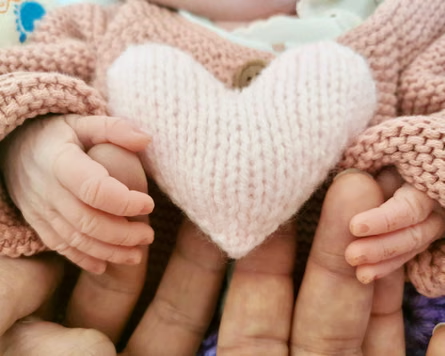
For Susan Cacciacarro, the morning everything changed started with an absence. She was nearly 37 weeks pregnant with her daughter Chiara when she woke up in 2021 and felt nothing. No movement. A stillness that no expectant mother should ever have to interpret. “My belly just didn’t feel right,” she recalled. “I didn’t feel any movements.” What followed would alter the trajectory of her life and, years later, place her at the centre of one of the most closely watched maternity inquiries in recent British history.
A Review Long Overdue
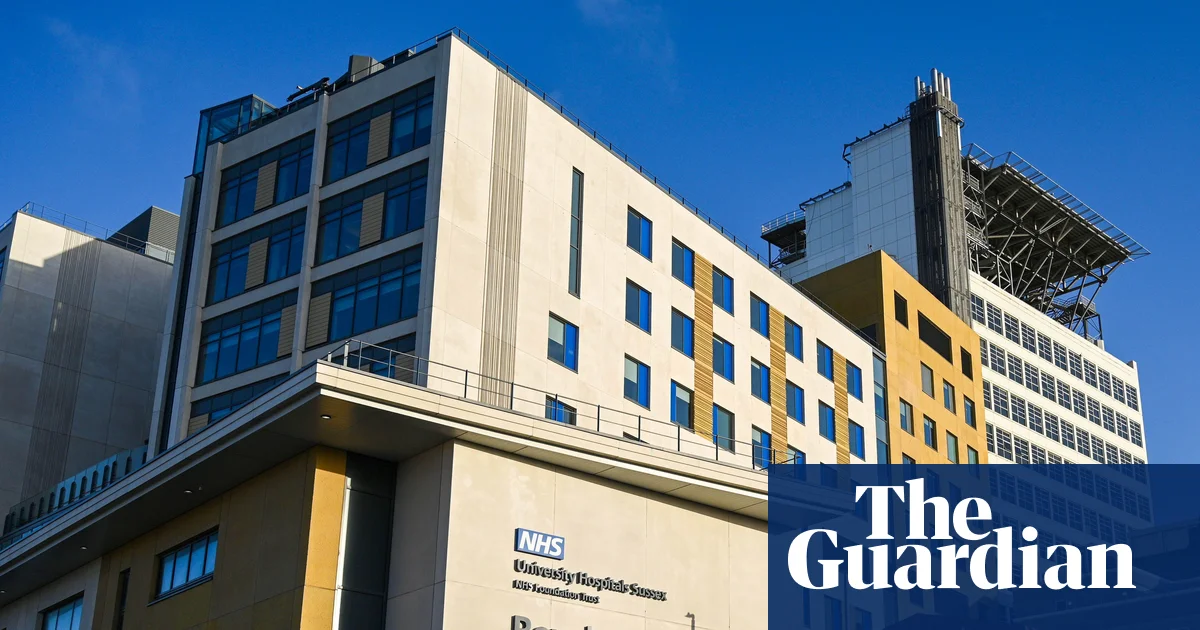
On September 7, 2026, the independent review of maternity services across Sussex formally opened its doors to bereaved families, inviting parents like Cacciacarro to give evidence about what went wrong, and why. The review is led by Donna Ockenden, the midwife and senior healthcare professional whose name has become synonymous with accountability in NHS maternity care. Her previous work exposing systemic failures at Shrewsbury and Telford Hospital NHS Trust produced one of the most damning maternity reports in the health service’s history, and now her attention has turned south.
The Sussex review did not materialise out of thin air. It is the product of years of tireless campaigning by families who refused to accept that their losses were simply tragic inevitabilities, combined with sustained media investigation that brought institutional shortcomings into sharp public focus. According to reporting by The Guardian, the review’s launch marks a significant milestone for those families who have spent years pushing for answers.
What Drives a Parent to Keep Fighting
Grief is exhausting. Anyone who has experienced profound loss knows that the energy required simply to get through a day can feel insurmountable. Yet the parents now giving evidence to this review have done something harder still: they have channelled that grief into action, into paperwork, into phone calls, into public testimony. That takes a particular kind of courage, and a particular kind of fury at being ignored.
Susan Cacciacarro’s story is one thread in what appears to be a broader pattern. When she woke that morning and felt her daughter had stopped moving, she reached out for help. The question now at the heart of this review is whether the response she and others received met the standard of care that any woman, any baby, any family deserves. The review will examine whether warning signs were missed, whether staffing pressures played a role, and whether there were systemic problems that trust leadership should have identified and corrected far sooner.
The Ockenden Effect
Donna Ockenden carries significant weight into this process. Her 2022 report into Shrewsbury and Telford identified over 1,800 cases where care was below standard, linked to the deaths of more than 200 babies and nine mothers. It was a report that shook the NHS, led to widespread commitments to reform, and elevated Ockenden into a figure of genuine national importance in patient safety circles.
Her involvement in Sussex sends a clear message: this will not be a review designed to offer reassurance. It will be rigorous, it will be uncomfortable for institutions, and it will centre the experiences of those who suffered most. That approach has its critics within healthcare management, who argue that the adversarial framing of such reviews can make staff feel targeted rather than supported. But for families like Cacciacarro’s, the alternative, a quiet internal process with no independent scrutiny, has already been tried and found wanting.
The Wider State of NHS Maternity Care
Sussex does not exist in isolation. UK maternity services have faced repeated scrutiny over the past decade, with reports from East Kent, Morecambe Bay, and Shrewsbury all identifying recurring themes: understaffing, poor communication between clinical teams, a culture where concerns raised by midwives and junior doctors were dismissed, and a troubling tendency to categorise avoidable deaths as natural outcomes.
The NHS has made repeated pledges to fix maternity care. Targets have been set. Funding has been announced. And yet reviews keep coming, because the underlying cultural and structural problems have proved stubbornly resistant to top-down directives alone. What changes things, historically, is precisely the kind of sustained public and political pressure that families and journalists have applied in Sussex.
It is worth noting that maternity care, when it works well, is among the most profound and positive experiences the NHS delivers. Hundreds of thousands of babies are born safely every year, supported by dedicated midwives and obstetricians working in genuinely difficult conditions. The goal of this review is not to condemn an entire workforce but to identify the specific points at which the system failed specific families, and to prevent those failures from recurring.
What the Review Will Examine
While the full scope of the Sussex review will emerge as evidence is gathered, independent maternity inquiries of this type typically examine clinical decision-making at key moments, staffing levels and skill mix on wards, how trusts responded to previous complaints or internal red flags, and whether there was a culture that discouraged staff from raising concerns. The testimony of bereaved parents is central not just as an emotional record but as a factual one: families often have detailed documentation, contemporaneous notes, and a granular memory of interactions that can contradict official accounts.
For Susan Cacciacarro and the other parents stepping forward, giving evidence is an act of both grief and hope. Grief for daughters like Chiara, who never got the chance to take a breath. And hope that their words, heard by an independent reviewer with the authority to act on them, might mean another family is spared the same loss.
A System That Owes Families an Honest Answer
The Sussex maternity review is, at its core, a demand for honesty. Honesty about what happened in individual cases, honesty about the systemic conditions that made those outcomes more likely, and honesty about what it will genuinely take to make maternity services safe for every woman who walks through a hospital door.
Donna Ockenden has shown before that she is capable of producing exactly that kind of honest accounting. The families who fought to make this review happen deserve nothing less. And if the lessons from Shrewsbury, East Kent, and Morecambe Bay have taught us anything, it is that the cost of not listening is measured in lives.
As this review gets underway, one question lingers: how many more independent inquiries will it take before NHS maternity care is reformed at a structural level deep enough to make the next one unnecessary?