


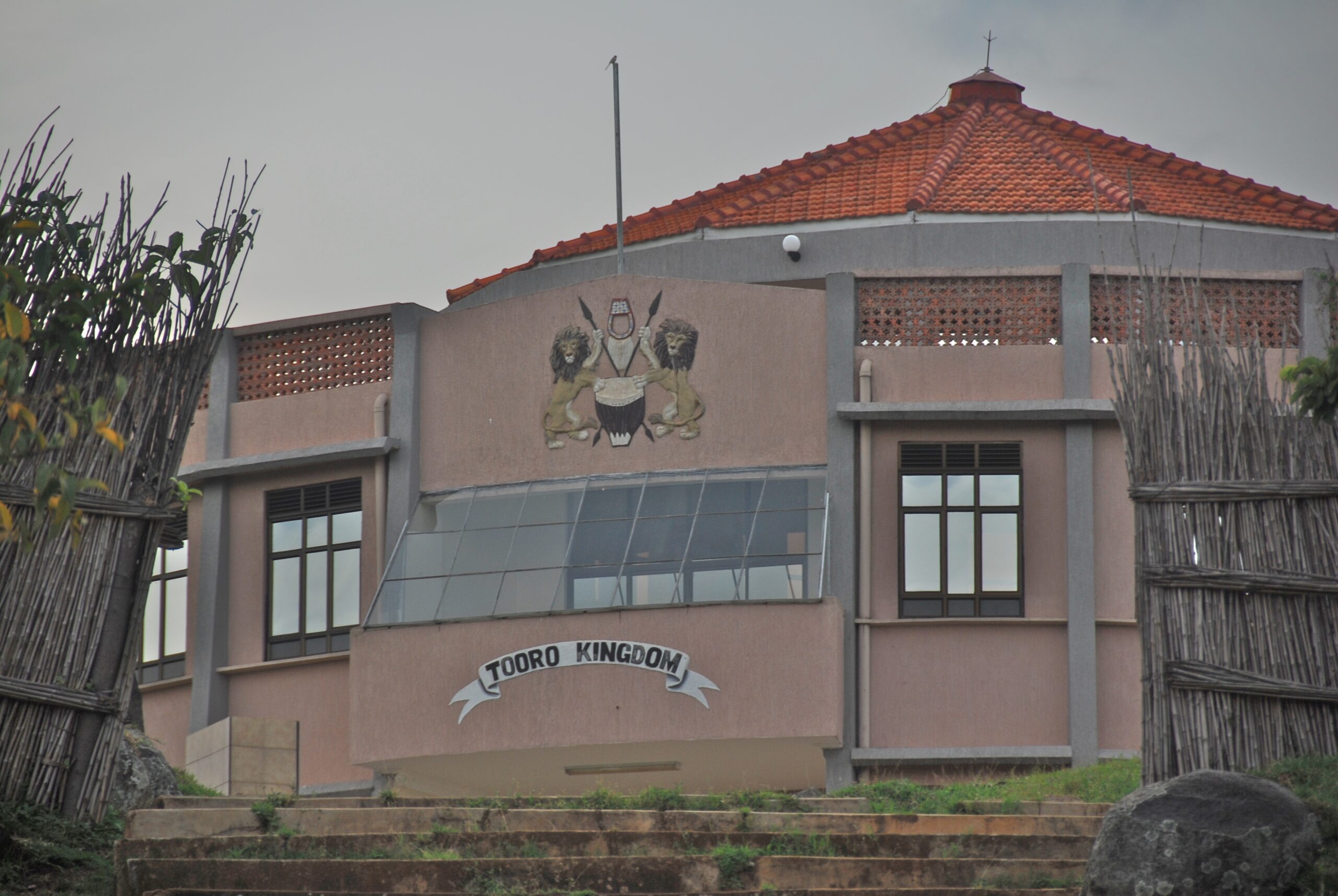
The succession question hanging over Tooro Kingdom just got a definitive answer on one front. Musuuga Charles Kamurasi, the chair of the 21-member Royal Succession Committee, has made it unmistakably clear that the next Omukama of Tooro will not be determined by a vote. Not a public one, not a stakeholder one, not any kind. The announcement, which has drawn significant attention across Uganda, puts to rest any speculation that the kingdom might entertain a more open or participatory selection model for its next monarch.
A Clear, Unambiguous Message
Kamurasi’s words carried the kind of quiet authority that only comes from someone who knows exactly where they stand. “We will get a King. Tooro will get a new King in accordance with the Kingdom’s established norms, values and traditions, not through vote. We will not vote for a new King, no.” Short sentences. Zero ambiguity. The point was made, underlined, and left on the table.
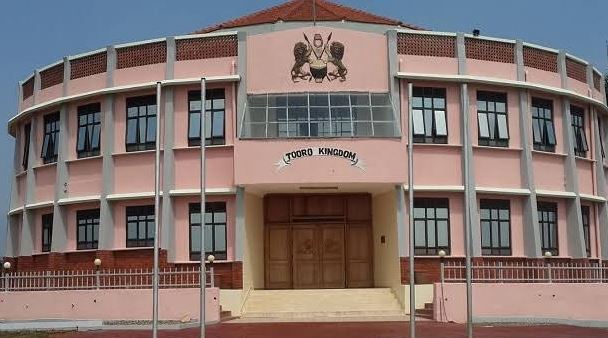
The remarks came in direct response to suggestions that the public or other interested parties could participate in choosing the next Omukama. For Kamurasi and the Royal Succession Committee, that idea was a non-starter from the beginning.
The Weight of Tradition in a Modern World
Tooro Kingdom, nestled in western Uganda, is one of the country’s most historically significant traditional kingdoms. Its customs around kingship are not ceremonial formalities. They are deeply rooted frameworks that have defined political and social life in the region for generations. When the committee speaks of “established norms, values and traditions,” it is invoking a living institutional memory that predates modern democratic structures by centuries.
The debate around whether traditional institutions should adopt more democratic processes is not unique to Tooro. Across Africa, kingdoms and chieftaincies have faced growing pressure from civil society, younger populations, and sometimes governments to open up succession and governance to broader participation. Some have adapted. Others have held firm. Tooro, it appears, is firmly in the latter camp.
There is a serious argument to be made for that position. Royal succession in monarchical systems, particularly those embedded in ethnic and cultural identity, derives its legitimacy not from popular mandate but from continuity and adherence to ancestral protocol. Once you introduce a vote, you change not just the mechanism but the fundamental nature of what the institution is. Kamurasi and his committee clearly understand that risk.
Prince George Desmond Kamurasi and the Path Ahead
The context for all of this is the passing of King Oyo Nyimba Kabamba Iguru Rukidi IV, whose death left a succession process to be formally initiated. Reports circulating in the days before Kamurasi’s remarks suggested that the Royal Succession Committee had already converged on Prince George Desmond Kamurasi as its preferred candidate to take the throne.
Whether that preference translates into a formal announcement depends on how the traditional process unfolds. Kamurasi’s statement signals that the committee is operating strictly within its mandate and is not about to let public pressure or media speculation short-circuit the proper procedure.
It is also worth noting who holds the steering wheel here. A 21-member Royal Succession Committee is not a small or informal body. Its composition, chaired by Musuuga Charles Kamurasi, suggests a structured and deliberate process is underway, one that takes the gravity of this moment seriously.
Why This Matters Beyond the Palace Gates
For ordinary people in Tooro and beyond, the next Omukama will be far more than a symbolic figurehead. Traditional kings in Uganda carry real cultural authority. They influence community disputes, cultural preservation, land questions, and the social fabric of their kingdoms in ways that elected politicians often do not. The person who takes the throne at Tooro will inherit that weight alongside the crown.
That is precisely why the succession process, however it unfolds, will be watched closely. The committee’s insistence on tradition over democratic process is not just an internal administrative decision. It is a statement about identity, sovereignty, and what kind of institution Tooro Kingdom intends to remain in the twenty-first century.
The broader conversation this raises is worth sitting with. At a time when institutions everywhere are being asked to modernise, democratise, and open up their processes, where exactly should traditional cultural structures draw the line? Tooro’s leadership has given its answer clearly. Whether that satisfies everyone inside or outside the kingdom is, of course, a different matter entirely.
So here is the question worth asking: as African kingdoms navigate the tension between preserving ancestral customs and responding to the expectations of modern governance, who ultimately gets to define what legitimacy looks like, the institution, the people, or history itself?