




When the curtain came down on the 2026 Commonwealth Games in Glasgow on Sunday evening, the city had done something genuinely remarkable. It had taken a sporting event that was lurching toward irrelevance and breathed enough life back into it to matter again. But as the stadium lights dimmed and the athletes filed out, a single unresolved question hung in the air: what happens next?
A City That Rose to the Occasion
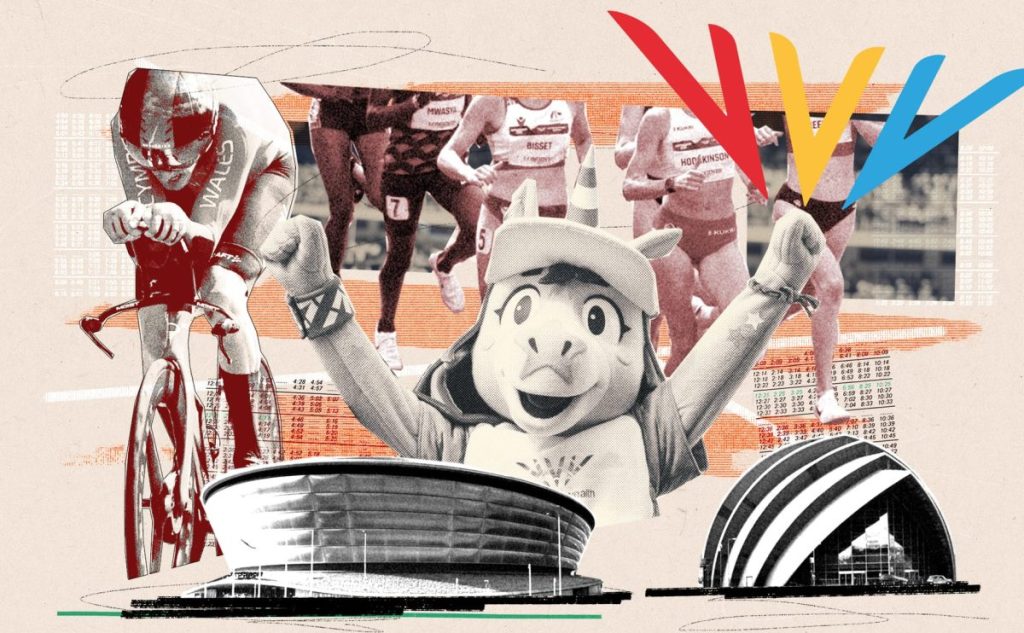
Glasgow did not ask to host these Games. It stepped in as a rescue city, inheriting an event that had been abandoned, reorganised, and doubted at almost every turn. What it produced over eleven days was a festival of sport that, by most visible measures, succeeded. Fans turned up, atmospheres crackled, and the medal tally reached 674 across the competing nations.
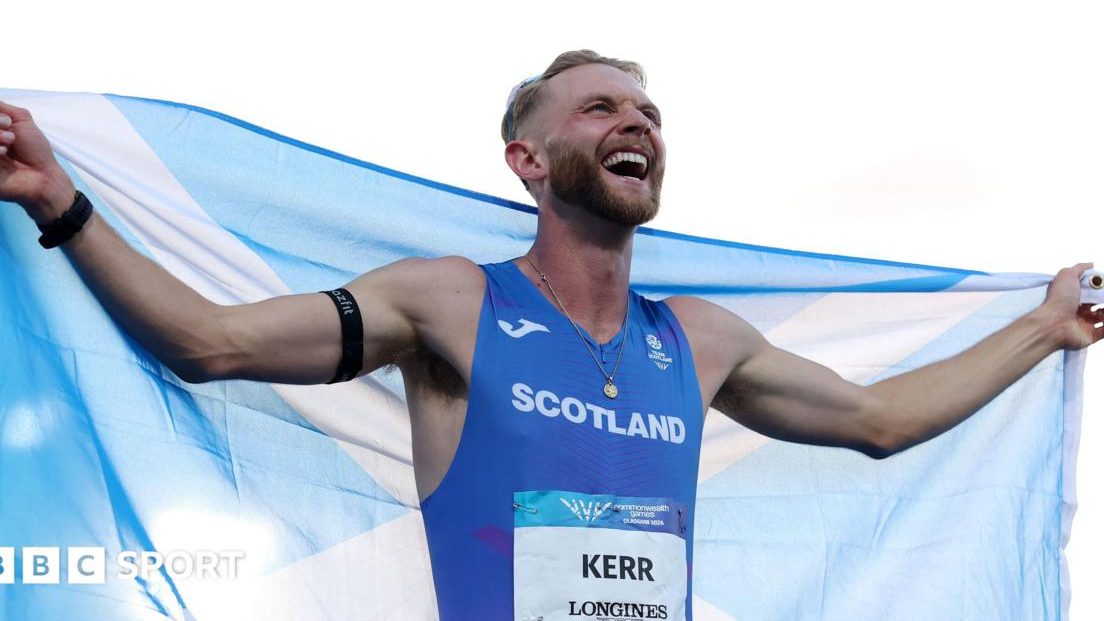
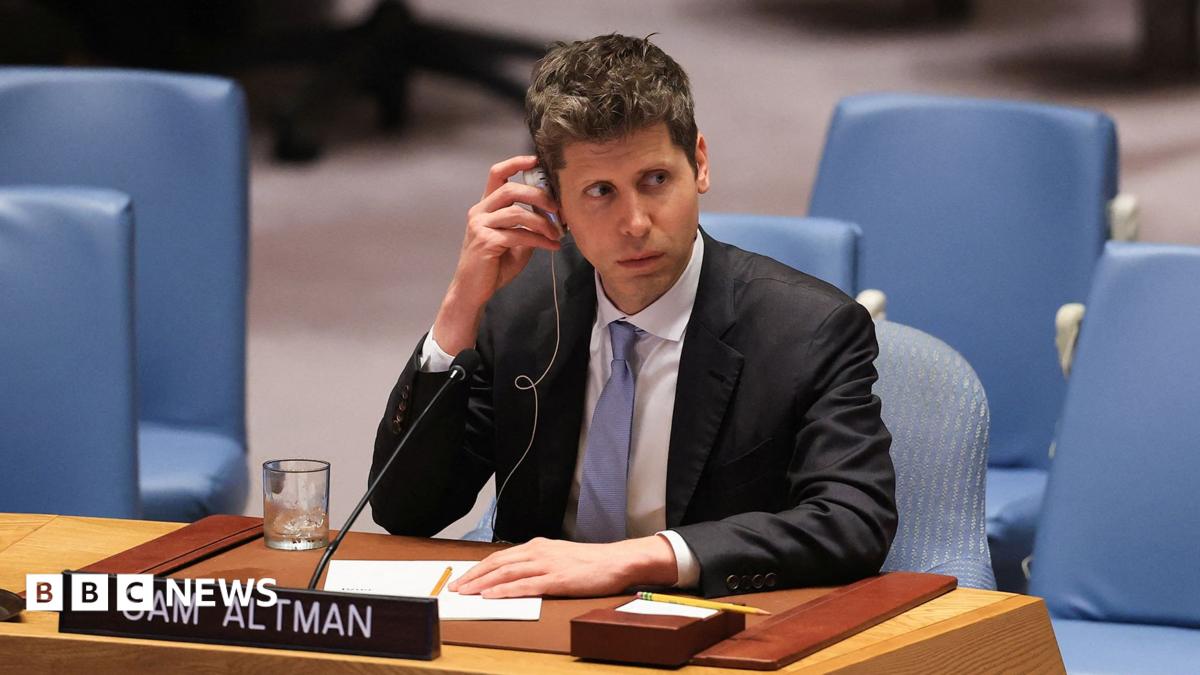
Among the moments that will define the Glasgow Games in the memory of anyone who watched, Scotland’s own Josh Kerr produced something special. His victory in the mile race at Scotstoun Stadium was the kind of home-crowd, home-athlete, home-glory moment that major sporting events exist to create. The roar inside that stadium told its own story about what the Commonwealth Games can still be when everything clicks into place.
For a competition that has spent several years justifying its own existence, that sort of theatre matters enormously. Glasgow provided it in abundance, and the sporting world took note.
The Shadow of Victoria Still Looms
The problem is that Glasgow’s success, however genuine, cannot paper over the structural fragility that nearly killed these Games in the first place. Four years ago, the Australian city of Victoria was the confirmed host. Then it pulled out. The chaos that followed was embarrassing for the Commonwealth Games Federation and cast serious doubt over whether any city would willingly take on the financial and logistical burden of hosting.
Glasgow’s intervention bought time. But time alone does not fix an underlying model that many cities no longer find attractive. Hosting costs have ballooned globally, public appetite for committing public money to multi-sport events has soured in many democracies, and the questions surrounding the Games’ long-term future did not simply evaporate because Glasgow threw a good party.
Ahmedabad Steps Into the Spotlight
The next chapter belongs to Ahmedabad. The Indian city now occupies the position that Victoria held before its withdrawal, confirmed as the host for the 2030 Games, which carry the additional weight of marking the competition’s 100th anniversary. A centenary Games in India should, on paper, be a moment of genuine global celebration.
But the shadow of what happened with Victoria is long, and nobody in serious sporting circles is taking anything for granted. Least of all Raghu Iyer, the chief executive of the Indian Olympic Association, who was notably candid when asked whether Ahmedabad could offer certainty that it would not follow Victoria’s example.
“I don’t think one can give any guarantees,” Iyer told BBC Sport. That is a striking admission from a senior official of the nation responsible for delivering the next Games. It is not a statement of intent to withdraw. It is, however, an honest acknowledgment that the road between here and 2030 is not without its obstacles.
What Those Words Actually Mean
Reading between the lines of Iyer’s comment, the issues at play are familiar to anyone who has watched major sporting event governance up close. Funding agreements need to be locked in. Government commitments need to survive political cycles. Infrastructure plans need to stay on schedule. India is a country of enormous capability and enormous complexity in equal measure, and delivering a centenary Games worthy of the name will require everything to move in alignment.
None of that is impossible. India successfully co-hosted the Cricket World Cup, has run the Indian Premier League as one of the world’s most watched sporting competitions, and has genuine experience with large-scale events. Ahmedabad itself has hosted international cricket at the Narendra Modi Stadium, the largest cricket ground on earth by capacity. The infrastructure ambition is clearly there.
But ambition and delivery are different things, and the Commonwealth Games Federation will be watching Ahmedabad’s preparations with considerably more anxiety than it might have a decade ago, simply because it now knows what a host withdrawal looks like from the inside.
What Glasgow’s Success Actually Proved
Perhaps the most useful legacy of the 2026 Games is not the medal table or the individual performances, brilliant as some of them were. It is the proof that the Commonwealth Games format, when properly supported, still resonates with athletes and fans alike. The crowds at Scotstoun, the noise during Josh Kerr’s mile, the general atmosphere across the eleven days all pointed to a product that people want to consume.
That is not nothing. In a crowded global sports calendar, carving out genuine emotional real estate is harder than it looks. The Commonwealth Games still does something that few other events can replicate: it gives smaller sporting nations a major stage, it elevates athletes who might otherwise never receive that level of spotlight, and it creates the kind of cross-national sporting friendship that the Commonwealth brand, whatever its political complexities, has always traded on.
Glasgow proved the concept is still viable. Ahmedabad now has to prove it can be sustained.
The Countdown to 2030
Four years is both a long time and no time at all in the world of major event planning. The Commonwealth Games Federation will need Ahmedabad to move quickly, to demonstrate concrete progress on venues, budgets, and organisational structures, and to give the international sporting community the confidence it currently lacks.
Raghu Iyer’s honesty, while slightly unsettling, is at least refreshing. Sporting officials who promise everything and deliver nothing have done enormous damage to events like these. A more measured, realistic assessment of the challenges ahead is arguably a healthier starting point than overblown rhetoric.
What Glasgow handed to Ahmedabad is momentum, goodwill, and a template for how to do this right. The 2026 Games closed with the sport looking better than it has for years. Whether the sport looks even better in four years depends almost entirely on what happens next in India.
The mile has been run. The baton has been passed. Now, will Ahmedabad cross the finish line?