


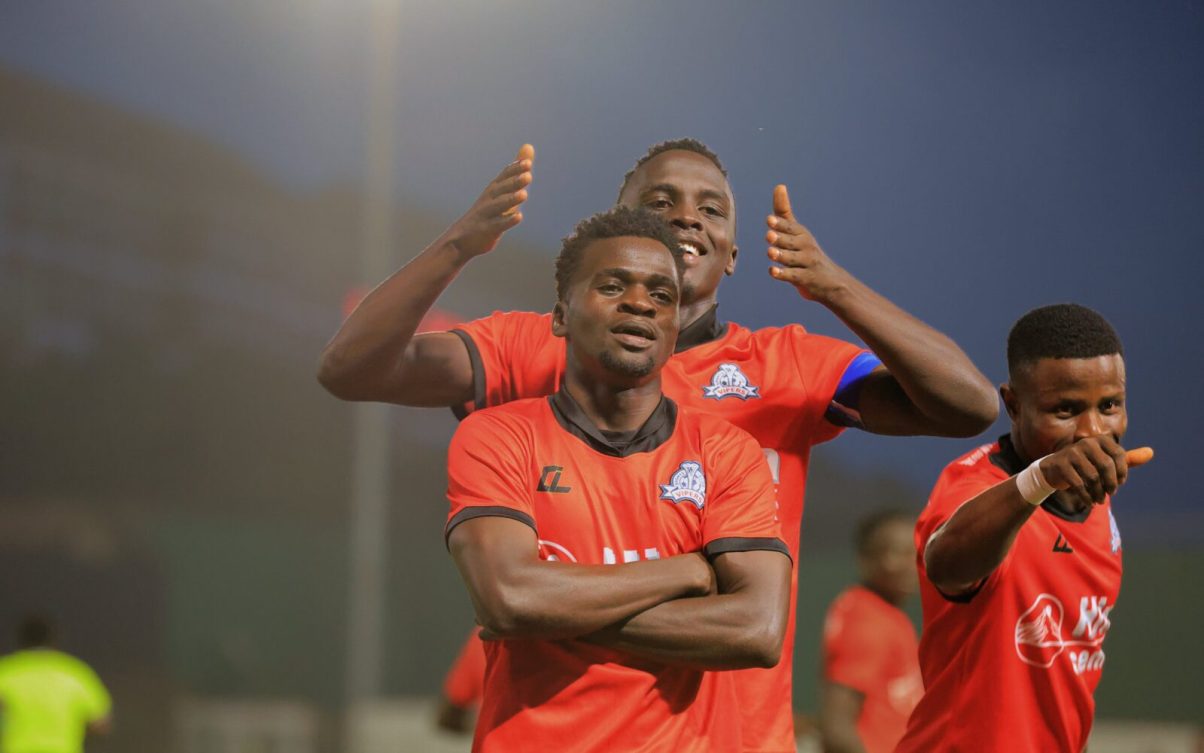
Uganda’s two representatives in African club football got their continental campaigns off the ground this past weekend, delivering performances that drew praise from the country’s Sports Ministry. Vipers SC held firm for a 1-1 draw against Mauritania’s FC Nouadhibou in the CAF Champions League, while Kitara FC edged Somalia’s Mogadishu City Council 2-1 in the CAF Confederation Cup first leg. The results, decent without being dominant, gave Uganda something to smile about. Then came the funding complaint, and the mood shifted.
Vipers Open at Home, but Leave Points on the Table
Saturday night at St Mary’s Stadium in Kitende had the feel of a proper continental occasion. Vipers SC, the Kampala-based giants known as the Venoms, looked sharp from the whistle. Captain Hillary Mukundane headed Uganda into the mood just two minutes in, converting a free-kick delivered by Karim Watambala with the kind of authority a captain’s armband demands.
The lead lasted just over 20 minutes. FC Nouadhibou, a side not to be underestimated in West African football circles, responded with a corner-kick header of their own. Sidi Ahmed Mohamed found the net via the post in the 23rd minute, restoring parity and reminding the Vipers faithful that continental football punishes any lapse in concentration.
From that point, neither side could find a winner. The final score of 1-1 means Vipers travel to Mauritania for the second leg needing a win or a scoring draw to advance. It is not the cushion they would have wanted at home, but it is far from a crisis.
Kitara Recover Beautifully in Hoima
Up north in Hoima City, Kitara FC faced a more dramatic evening in the Confederation Cup. The Royals, as the club is known, conceded first when Akram Ilyaas finished composedly after being played through by a teammate identified as Nabby. Going behind at home in a first leg is the kind of thing that unravels inexperienced continental sides.
Kitara, to their credit, did not flinch. Jimmy Kalema turned the match entirely on its head with two quickfire goals, handing the Royals a 2-1 advantage to carry into the return fixture. That kind of comeback requires both tactical discipline and mental strength, two qualities that will serve them well in the weeks ahead.
The Hoima match drew a notable crowd of government officials, Uganda Football Association (FUFA) representatives, and executives from Kinyara Sugar, the club’s principal sponsors, underlining the institutional weight behind Kitara’s continental participation.
Ogwang Offers Congratulations, and a Promise to Investigate
State Minister for Sports Peter Ogwang took to X to acknowledge both clubs’ efforts. In a post that Chimp Reports covered in detail, Ogwang expressed pride in both clubs for their “determined performances” and wished them success in the return legs.
But the minister’s statement contained more than just warm words. Ogwang confirmed that his ministry had received a formal complaint from Vipers SC regarding the financial support allocated to both clubs by the National Council of Sports (NCS). According to the minister, Vipers believe they received less funding than Kitara FC, and they are not happy about it.
Ogwang pledged to look into the matter personally, a commitment that carries weight given the minister’s direct oversight role over national sports institutions, including the NCS.
The Funding Fault Line
This is where things get interesting. Uganda sending two clubs to CAF competitions simultaneously is a show of ambition. The country’s football infrastructure, though improving, still relies heavily on government support to make continental participation financially viable for clubs that do not have the commercial muscle of North African or West African counterparts.
If Vipers SC, one of the most decorated clubs in Ugandan football history with a fanbase and infrastructure that dwarfs most rivals, is receiving less NCS support than a club that only recently rose to national prominence, that is a conversation worth having in public. Whether the disparity reflects a deliberate policy decision, an administrative error, or something else entirely remains to be seen.
What is clear is that the complaint signals a growing tension between clubs and the national sports body over how resources are distributed. And if that tension is left unaddressed, it could quietly corrode the goodwill that continental appearances are supposed to generate.
What Comes Next
Both clubs now have to prepare for their second legs away from home. Vipers need a positive result in Mauritania to stay alive in the CAF Champions League, a competition where the rewards, both financial and in terms of continental reputation, are substantial. Kitara, holding a one-goal lead, will travel to Somalia knowing that defending that advantage on foreign soil is no straightforward task.
Uganda’s football community will be watching both return legs closely. So, presumably, will Minister Ogwang, who now has two things to manage: the country’s continental football ambitions and a funding dispute that could become an uncomfortable distraction if it is not resolved quickly and transparently.
Both clubs deserve full institutional support as they carry Uganda’s flag on the continent. The question worth asking now is this: will the NCS and the Sports Ministry sort out their funding allocation before the return legs, or will Ugandan football’s continental moment be remembered more for the row behind the scenes than the goals on the pitch?