

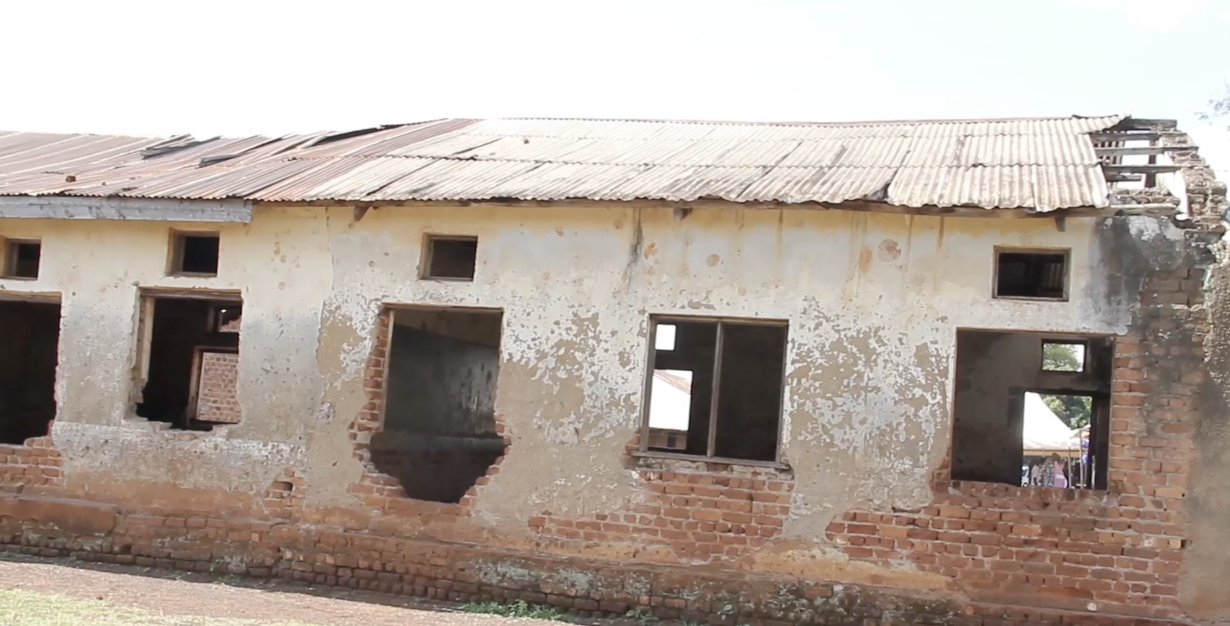
When a television camera crew walked through the gates of Nakhupa Primary School last week, what they found was not a place of learning. It was a collection of crumbling structures, broken walls, and classrooms in conditions so poor that children were essentially sitting in ruins. The school, located in Bugobero Town Council within Manafwa District in eastern Uganda, had been declining for years. But the broadcast of those images on NTV changed something. Within days, former students of the school had organised themselves and returned, ready to work.
A Broadcast That Moved People to Act
More than 20 classrooms at Nakhupa Primary School are reported to be in a state of serious disrepair, a figure that paints a grim picture of how badly the institution has been neglected. The NTV coverage of Nakhupa Primary School clearly struck a nerve, not with bureaucrats or ministry officials first, but with ordinary people who had sat in those very classrooms as children. Alumni who had since scattered to different parts of the country watched the report and felt a collective pull back to where their education began.
The response was swift and personal. Former students mobilised, returned to the school, and began the hard work of trying to restore some of the most badly affected classrooms. This kind of grassroots urgency is rare. It speaks to a bond between a community and its school that no amount of institutional neglect had managed to sever.
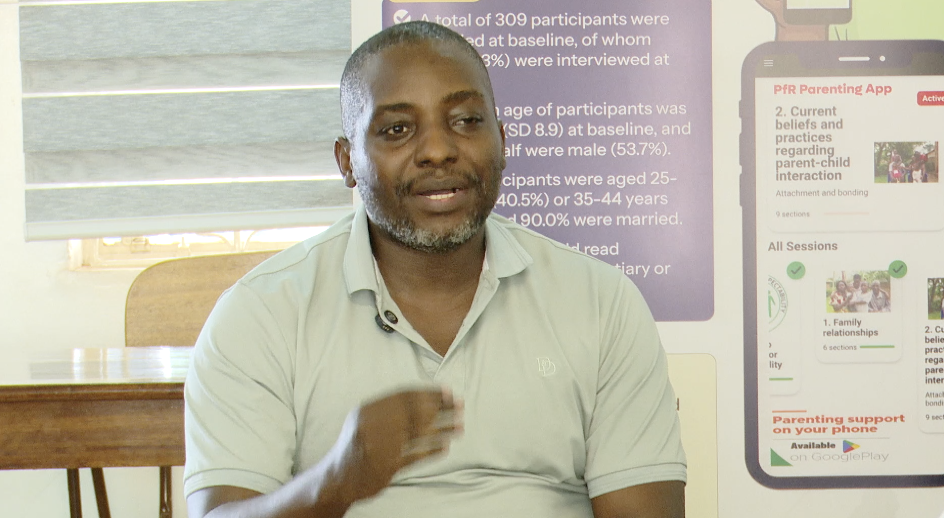
Chris Watamba Matembu Adds His Voice
Among those leading the charge is Chris Watamba Matembu, identified as the area representative for Bubulo West, who called on fellow former students and the broader public to follow the example set by those who had already shown up. His message was pointed: the alumni who had already returned to the school should not be the only ones who care. He urged other former pupils, alongside the government, to contribute to the effort of returning Nakhupa Primary to the standard it once held.
The fact that a public figure with ties to the area felt compelled to speak publicly about the school reflects how visible the problem has now become. Before the NTV broadcast, the decay at Nakhupa was a local secret that not enough people in positions of influence seemed interested in addressing. Now, it is a story with momentum.
The Broader Problem of School Infrastructure in Uganda
Nakhupa is not an isolated case. Across Uganda, particularly in rural and semi-urban areas, government primary schools wrestle with aging infrastructure, inadequate funding for maintenance, and a gap between what the buildings need and what local administrations can realistically provide. Classrooms built decades ago were never given the sustained upkeep required to survive generations of daily use by hundreds of children.
The cycle is a familiar one. Buildings deteriorate slowly, complaints are raised but rarely acted upon at speed, and eventually the situation becomes so severe that it takes a media spotlight to jolt anyone into visible action. What makes the Nakhupa story slightly different is that the first movers were not politicians or contractors. They were people who simply remembered what the school had meant to them.
Community-Led Restoration: What It Takes and What It Means
Repairing over 20 structurally compromised classrooms is not a small undertaking. It requires materials, skilled labour, time, and sustained financial commitment. The alumni effort, however heartfelt, can only go so far without broader institutional backing. This is precisely why Matembu’s call for government involvement matters. Community energy can launch a project. Government resources can complete it and keep it going.
There is also the question of what happens after the repairs. A school is not saved by a single round of renovation. Ongoing maintenance budgets, adequate teaching staff, and proper sanitation all determine whether a school truly functions as an environment where children can learn. Physical restoration is the first chapter, not the whole story.
What Good Schools Actually Require
The minimum conditions for effective primary education are well understood. Children need classrooms with intact roofs and walls, natural light, and enough space to sit without crowding. Teachers need working spaces and basic resources. Parents need confidence that the environment is safe. When a school falls below these thresholds, attendance suffers, teacher morale drops, and academic outcomes follow downward.
Nakhupa, based on what the NTV report revealed, had slipped well below those thresholds. The fact that former students are now physically present, trying to pull the school back up, is a sign of genuine community attachment. But it should also be a source of some discomfort for those whose job it was to prevent the situation from reaching this point in the first place.
A Call That Should Not Go Unanswered
Matembu’s appeal to both alumni and government is essentially a plea for shared responsibility. Education is a public good, and the state bears primary responsibility for ensuring that public schools remain functional. But communities have always played a role in supplementing that responsibility, particularly in Uganda where the relationship between local populations and their schools is often intensely personal.
The alumni of Nakhupa have shown what is possible when people decide not to wait for permission to care. Now the question is whether institutions, from the district education office to the national government, will treat their initiative as an invitation to partner rather than an excuse to step back and let volunteers carry the entire load.
If the momentum built by this broadcast is allowed to fade without structural follow-through, Nakhupa Primary could find itself back in the same condition in another decade, waiting for another television crew to walk through its gates and tell the world what should never have been allowed to happen in the first place.
So here is the question worth sitting with: when former students of a crumbling school are willing to roll up their sleeves and show up on their own time and money, what exactly is the government’s excuse for not being there first? Share your thoughts below, and if you know of a school in a similar situation, now might be the moment to say so.