








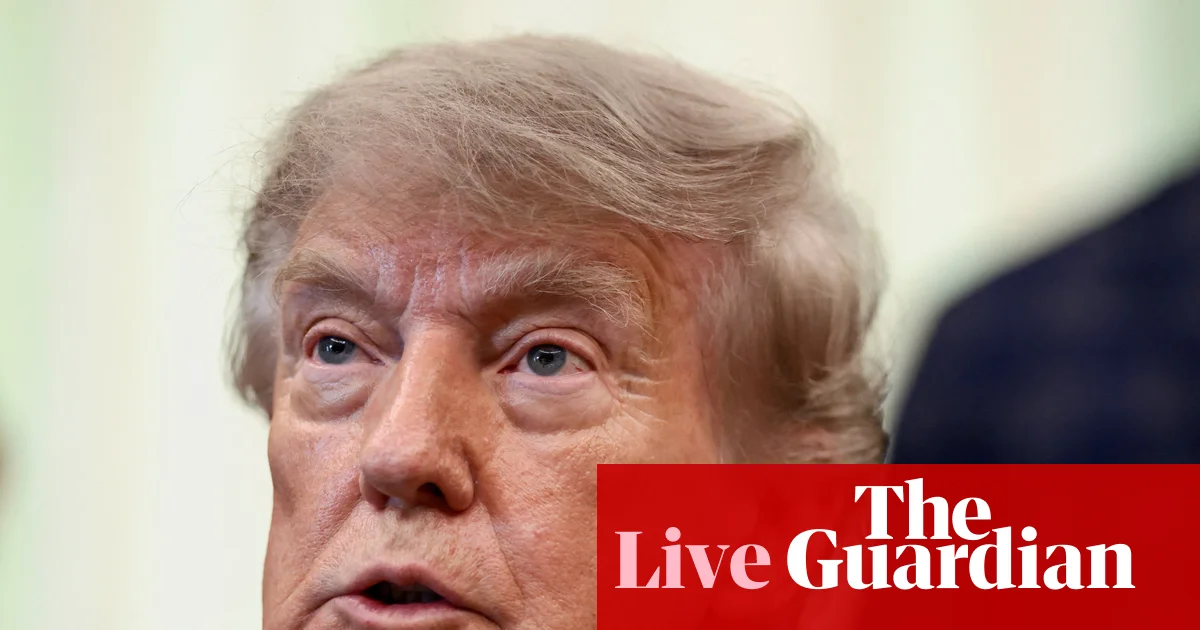
Eighteen American service members have lost their lives. More than 750 others have come home wounded. Thousands of Iranians are dead. And yet, on September 4, 2026, President Donald Trump took to social media to frame the ongoing US-Iran conflict as, in his own words, ‘small potatoes.’ That phrase, casual and almost offhand, landed like a grenade in an already volatile week of American politics and foreign policy.
A War Framed as a Minor Inconvenience
The numbers tell a story that the phrase ‘small potatoes’ simply cannot contain. The human cost of the US-Iran conflict, as reported by The Guardian, includes thousands of Iranian casualties alongside the 18 American military fatalities and hundreds of wounded US personnel. These are not statistics abstracted from reality. They are sons and daughters, spouses and parents, people who signed up to serve and paid the highest price imaginable.

Trump’s dismissal of the conflict’s severity, framed in the language of a man waving away a minor business setback, raises a genuinely serious question about how this administration communicates the weight of military engagement to the American public. Words from a commander-in-chief carry enormous psychological weight, both for grieving families and for the service members currently deployed. When that language minimizes rather than honors sacrifice, the consequences ripple outward in ways that are difficult to fully measure.
The Federal Reserve Gets Dragged Into the Fight
If the Iran comments weren’t enough to dominate the Friday news cycle, Trump also took direct aim at the Federal Reserve in the same social media post. Using August’s strong jobs report as his justification, Trump argued that the robust employment data gave the Fed every reason it needed to cut interest rates. He did not stop at persuasion.
Trump threatened to halt trade between the United States and any country with which it currently runs a trade deficit, should the Federal Reserve refuse to bring rates down. That is an extraordinary threat. The US runs trade deficits with dozens of countries, meaning the scope of what Trump described would amount to one of the most dramatic economic ruptures in modern American history if actually carried out.
What a Rate Cut Actually Means Right Now
The Federal Reserve operates as an independent institution precisely because monetary policy decisions need insulation from short-term political pressure. When a president ties trade policy outcomes to the central bank’s interest rate decisions, it blurs a line that economists across the political spectrum have long argued must remain clear. The concern is not simply procedural. Markets function on predictability. Investors, businesses, and trading partners build strategies around the assumption that the Fed moves on economic data, not on White House ultimatums.
August’s jobs report being strong is, on its own, actually an argument against cutting rates in most conventional economic frameworks. Strong employment typically signals that the economy does not need the stimulus that lower borrowing costs provide. Trump’s reading of the data, that strength justifies a cut, runs counter to standard monetary logic and suggests the push is motivated by factors beyond inflation and employment targets.
Trade Threats With Global Reach
The threat to sever trade with deficit countries is not a new note in this administration’s playbook, but the stakes feel sharper in the current moment. The US is simultaneously managing a shooting war with Iran, navigating complex relationships with allies who have their own complicated views on that conflict, and now potentially signaling that economic partnerships could be torched if the Fed doesn’t comply with White House preferences.
Countries that trade heavily with the US will be watching this moment closely. A credible trade cut-off threat, even if ultimately not executed, reshapes how foreign governments calculate their own economic and diplomatic positioning. The uncertainty itself has a cost, one that shows up in investment decisions, currency movements, and the quiet recalibration of long-term partnerships.
The Weight of ‘Small Potatoes’
Language in politics is never accidental, but it is sometimes careless. Whether Trump’s ‘small potatoes’ framing was a deliberate rhetorical strategy to keep domestic attention focused on the economy rather than the human cost of war, or simply an unguarded moment of presidential minimization, the effect is the same. It signals to allies, adversaries, and the American public alike how this White House assigns value to military sacrifice versus economic and political priorities.
For the families of 18 fallen service members, no jobs report and no interest rate decision will ever feel like a larger headline than the one they lived through. That disconnect, between the language of power and the reality of loss, is the sharpest edge of this week’s news.
What Comes Next
The Federal Reserve is not legally obligated to respond to presidential pressure, and its leadership has historically maintained that position publicly. Whether private dynamics shift under the weight of trade threats is a different question, and one the coming weeks will likely answer. Meanwhile, the conflict with Iran shows no signs of resolution, and the casualty numbers that Trump dismissed will, in all probability, continue to climb.
The combination of an active military conflict, aggressive central bank pressure, and sweeping trade threats lands in a single week that asks a great deal of American institutional resilience. Whether those institutions hold their ground, or bend under the pressure of an unusually assertive executive branch, is arguably the defining political story of this moment.
So here is the question worth sitting with: when a sitting president describes a war that has killed 18 Americans and wounded hundreds more as ‘small potatoes,’ what does that tell us about how the next phase of that conflict will be managed, explained, and ultimately judged by history?