







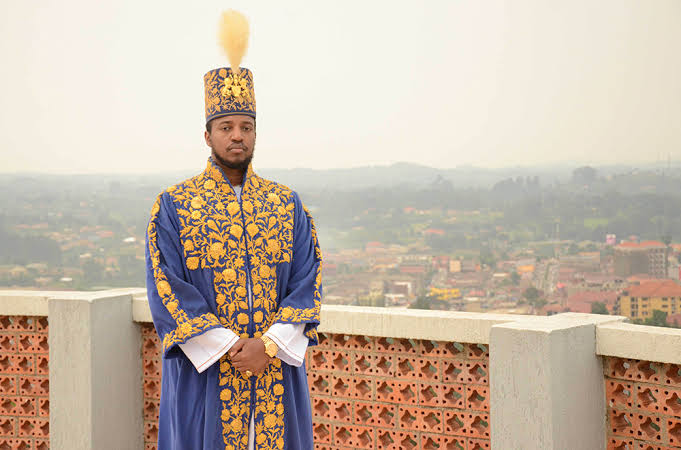
Just days after the death of King Oyo Nyimba Kabamba Iguru Rukidi IV, the ancient wheels of Tooro Kingdom’s succession machinery have turned with quiet urgency. A 21-member Royal Succession Committee, convened by the kingdom’s Babiito royal clan, has reportedly endorsed 36-year-old George Desmond Kamurasi as the proposed heir to one of Uganda’s most storied monarchies. The decision, made at Fort Motel in Fort Portal City on Friday, September 4, 2026, marks a critical first step in what promises to be a deeply ceremonial and closely watched transition of power.
The Vote That Changes Everything
According to prominent journalist Andrew Mwenda, a figure with well-documented ties to the Tooro royal family, 18 of the 21 committee members attended the Friday session. Of those present, 15 cast their votes in favour of Kamurasi. That is a clear, commanding majority in anyone’s count. Mwenda, who broke the news before any official palace announcement, said he did so deliberately, explaining that rampant speculation on social media risked creating confusion and unnecessary tension around the succession process.

As Chimpreports first reported, the selection is not yet a formal royal declaration. Tooro custom dictates that a public announcement of this nature must follow the burial of the reigning monarch, a tradition that speaks to the kingdom’s deep respect for mourning protocols and its instinct to separate grief from governance, even when the two are inescapably intertwined.
Who Is George Desmond Kamurasi?
Beyond his age, 36, and his name, which carries weight within the Babiito lineage, the public profile of George Desmond Kamurasi remains relatively understated at this stage. What is notable is that the committee chair, Omusuuga Charles Akiiki Kamurasi, shares his surname, a detail that points to the deeply clan-centred nature of Tooro’s royal governance. The Babiito are not simply a ceremonial family; they are the living custodians of a kingdom that has endured colonial rule, political upheaval, and the extraordinary reign of a king who ascended to the throne as a child and held it for decades.
The committee itself was only constituted on August 28, just two days after King Oyo’s death, and has reportedly been meeting every single day since Monday, August 31. That pace of deliberation, intensive, focused, and structured around both tradition and urgency, suggests the Babiito clan moved with a sense of purpose rather than panic.
The Weight of King Oyo’s Legacy
King Oyo’s passing in Texas on August 26, 2026, where he had been receiving medical treatment, sent ripples well beyond Uganda’s borders. He was one of Africa’s most recognisable traditional rulers, having ascended to the Tooro throne as a very young child and grown into the role over a reign that spanned decades. His life was, in many ways, a bridge between Uganda’s pre-colonial royal traditions and the complexities of modern statehood. Replacing him is not simply a matter of selecting a name. It is a matter of finding someone capable of carrying an enormous cultural and symbolic weight.
Tooro Kingdom sits in western Uganda, anchored by the city of Fort Portal, a region of green hills, crater lakes, and communities whose identity is deeply connected to the institution of the monarchy. For many people there, the king is not a figurehead but a living symbol of continuity, dignity, and belonging. The succession process, therefore, carries emotional stakes that go far beyond palace politics.
What Comes Next
The formal announcement to the broader Babiito clan leaders is expected to follow King Oyo’s burial. Only after that ritual moment of farewell will the kingdom officially begin the public chapter of transition. The Omusuuga, as committee chair, will make that declaration, following a process that blends democratic voting with hereditary custom in a way that is distinctly Tooro.
It is worth noting that Mwenda’s decision to go public with the committee’s choice, before the formal channels had spoken, is itself a sign of the times. In an age where social media fills every information vacuum with rumour and speculation, even royal palaces must contend with the pace of digital noise. Mwenda’s pre-emptive disclosure was, in its own way, a form of damage control dressed as transparency.
A Kingdom at a Crossroads
Tooro now stands at one of those rare, defining moments that historians write about and citizens remember for generations. The transition from King Oyo to whoever formally ascends after him will shape the kingdom’s relationship with its people, with the Ugandan state, and with its own sense of identity for years to come. George Desmond Kamurasi, if formally confirmed, steps into a role that carries beauty and burden in equal measure.
The coming days, marked by mourning, ritual, and eventually proclamation, will tell the full story. What the succession committee has done is hand the kingdom a name. What Tooro’s people will do with that name, what meaning and loyalty they invest in it, is a different matter entirely. And that, ultimately, is what makes monarchies so endlessly fascinating: they are as much about the people as they are about the crown.
As Tooro prepares to bury its king and crown a new one, a question lingers over the green hills of western Uganda: what kind of kingdom does George Desmond Kamurasi inherit, and what kind of king will he choose to become?