








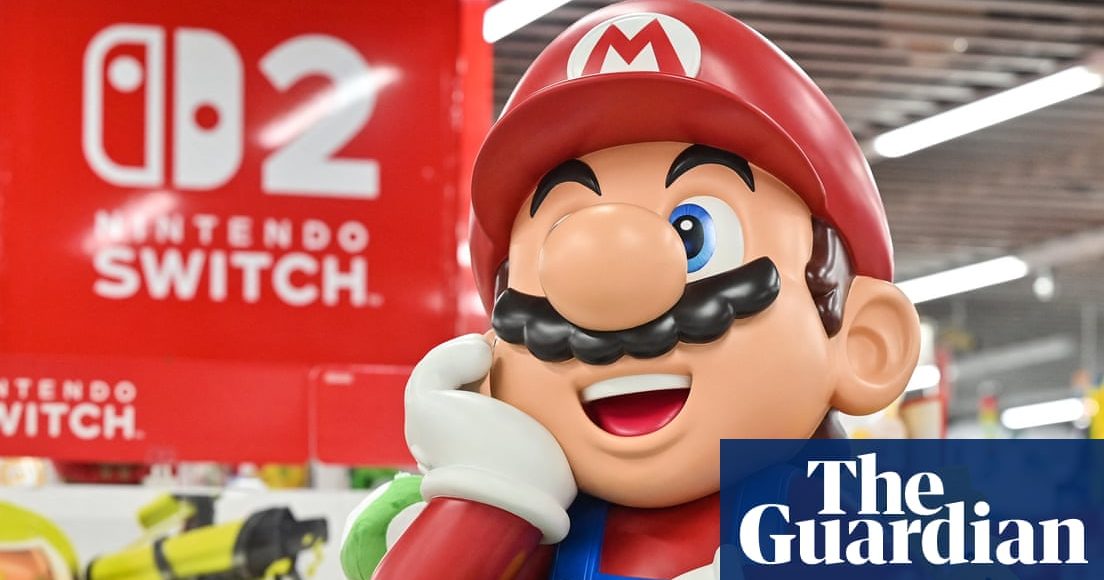
Nintendo delivered one of the biggest financial surprises of the summer on August 6, 2026, reporting quarterly profits that crushed analyst expectations by a staggering margin. The Japanese video game company posted earnings of ¥147.4bn, roughly £694m, for the three months ending in June 2026, a 53.5% jump compared to the same period last year. The catalyst? A long-awaited refund connected to tariffs originally imposed during Donald Trump’s administration.
Numbers That Made Analysts Do a Double-Take
Wall Street and Tokyo analysts had penciled in profits of around ¥77.8bn for the quarter. Nintendo came in almost double that figure. To put it plainly: the company didn’t just beat forecasts, it lapped them. That kind of gap between expectation and reality is rare in corporate reporting, and it signals something significant happened beyond ordinary business operations.
According to reporting from The Guardian, the profit boom was largely fuelled by a refund on Trump-era tariffs, though the exact dollar or yen figure of that refund has not been disclosed publicly. Nintendo confirmed the refund’s role in its earnings without breaking out the specific sum, which means the true size of the windfall remains somewhat opaque.
What Are Trump Tariffs, and Why Did Nintendo Get a Refund?
During his presidency, Donald Trump introduced sweeping tariffs on goods imported into the United States, with Japanese electronics and consumer technology products among those caught in the crossfire. Nintendo, like many hardware manufacturers, relies on production chains that cross multiple borders before a product reaches an American retail shelf. Tariffs added costs that ultimately squeezed margins or got passed along to consumers.
A refund in this context typically arises when a company successfully challenges the tariff classification of its products, wins an exemption, or benefits from a policy reversal that entitles it to reclaim duties already paid. For Nintendo, years of lobbying, legal maneuvering, or administrative review appears to have finally paid off in the form of a cash injection that arrived at an opportune moment.
The Catch: Sales Actually Fell
Here is where the story gets genuinely interesting. Despite the profit spike, Nintendo’s quarterly sales actually dropped during the same period. That creates an unusual dynamic: a company earning more money while selling less product. It underscores just how heavily the tariff refund skewed the headline numbers. Strip out the one-off windfall and the underlying picture looks considerably less rosy.
This distinction matters for investors and industry watchers. A profit figure inflated by a non-recurring item, like a government refund, doesn’t reflect the sustained earning power of the business. Analysts will likely adjust their models to separate core operating performance from the tariff-related boost when assessing Nintendo’s longer-term trajectory.
Hardware Cycles and Market Pressure
Nintendo has been navigating a tricky stretch in the hardware cycle. Console generations don’t last forever, and consumer enthusiasm naturally ebbs between major platform launches. A dip in quarterly sales isn’t necessarily alarming on its own, but paired with the reliance on a one-time financial event to drive profits, it raises fair questions about organic momentum heading into the back half of 2026.
The gaming market overall has grown more competitive and more fragmented. Mobile gaming, subscription services, and cloud platforms all compete for the same leisure hours that used to belong almost exclusively to dedicated consoles. Nintendo’s ability to maintain its loyal fanbase while attracting new players will define whether this earnings report is a blip or a sign of something more structural.
What This Means for the Broader Industry
Nintendo isn’t the only company that dealt with Trump-era tariff headaches. Plenty of electronics manufacturers absorbed extra costs that compressed margins over multiple fiscal years. If Nintendo’s refund signals a broader trend of companies recovering those costs through administrative or legal channels, other quarterly reports across the tech and gaming sectors could carry similar one-off boosts in the months ahead.
For the gaming industry specifically, the financial mechanics behind hardware production and global trade policy rarely make front-page news. Most players care about the games, not the customs duties paid at the port. But the business reality is that geopolitics shapes what products get made, at what price, and when. Nintendo’s quarter is a vivid reminder that the boardroom and the trade war room are more connected than a casual observer might expect.
Nintendo’s Resilience as a Brand
Whatever the financial fine print reveals, Nintendo’s cultural staying power remains formidable. From the original Game Boy to the Wii to the Switch, the company has an almost uncanny ability to reinvent itself and find new audiences. Its intellectual property, think Mario, Zelda, Pokémon, sits among the most valuable entertainment franchises on earth. That brand equity doesn’t show up directly in a single quarterly report, but it underpins why investors continue to take the company seriously even during leaner periods.
The tariff refund handed Nintendo a remarkable headline number for the June quarter. But the more durable story is whether the company can convert its brand strength into sustained sales growth as it looks ahead to its next hardware era and a global gaming market that never sits still.
So here’s the question worth sitting with: when a profit surge hinges on a government refund rather than product demand, what does it really tell us about the health of one of gaming’s most iconic companies, and should investors read this quarter as good news or a convenient distraction from softer fundamentals?