











Walk through any residential neighbourhood in southern California on a weekday morning and you will hear it before you see it: the guttural, relentless drone of petrol-powered landscaping equipment. Leaf blowers, hedge trimmers, ride-on mowers. For decades, this has simply been the price of a tidy garden. But right now, in the summer of 2026, that soundtrack is being rewritten, city by city, regulation by regulation, battery charge by battery charge.
Why Cities Are Pulling the Plug on Petrol
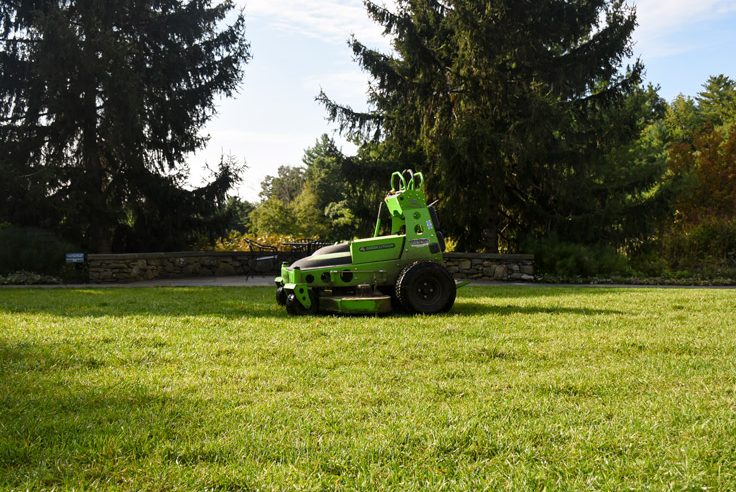
The push against traditional landscaping machinery is no longer a fringe green talking point. Municipalities across the United States have either banned petrol-powered gardening tools outright or rolled out serious incentives to shift crews toward electric alternatives. The reasons stack up quickly.
Noise is the most obvious irritant, quite literally. Petrol equipment generates a kind of low, grinding roar that carries far and lingers. Residents complain. Local governments respond. But beyond the decibel count, there is a harder set of problems that electric tools address more quietly than the machines themselves. Carbon emissions from small petrol engines are a well-documented environmental concern. Vibration from handheld machinery causes long-term physical damage to workers who use it for hours each day. And then there is pollution exposure: landscapers, often working at close range with running engines, breathe in exhaust fumes at rates that most office workers would find alarming.
Electric alternatives tackle all of these at once. Lower emissions. Reduced vibration. Cleaner air for the people actually doing the work. That is a meaningful combination, and it explains why the transition to electric landscaping equipment has moved from conversation to concrete policy across parts of the US.
The Training Ground: AGZA and a Backpack Blower
The American Green Zone Alliance, known as AGZA, sits at the heart of this shift. The organisation exists specifically to support landscaping businesses, public parks departments, and private crews as they move away from petrol tools. Their training programmes bring together professionals and curious observers alike to get hands-on with equipment that, not long ago, would have seemed underpowered for serious garden work.
Electric backpack leaf blowers, it turns out, are not the cumbersome, heavy machines you might picture. Journalists who have tried them during AGZA sessions report that the weight is comparable to a loaded everyday rucksack. Using one to direct leaves or debris feels reasonably intuitive from the first go, though professional landscapers who have spent years with petrol tools still outpace newcomers with a fluency that takes time to build.
The sound profile is genuinely different. There is still noise, make no mistake. Electric motors produce a buzz, but it sits at a higher pitch and lower volume than the familiar growl of a petrol engine. It is the difference between a road near a motorway and one near a busy café. Still present, but far more manageable for the people living around it.
Longer Hours, Fewer Complaints
One practical advantage of electric tools that does not always get enough attention is the flexibility they give to working schedules. Petrol equipment noise means landscaping crews are effectively locked out of residential areas during early mornings and evenings, the very windows when homeowners often want work done. Electric alternatives change that equation. Quieter machines mean crews can start earlier or finish later without triggering noise complaints or violating local ordinances. For small landscaping businesses, that extra operating window is not just a convenience. It is additional revenue.
New Players Entering the Market
The commercial opportunity in electric landscaping equipment has not gone unnoticed by companies operating well outside the traditional garden tool sector. One of the more unexpected arrivals is Whisper Aero, a US aerospace start-up whose core business is developing electric propulsion systems for aircraft. The company has recognised that the engineering challenges behind quiet, efficient electric airflow have direct applications in landscaping tools like leaf blowers. It is a left-field move that speaks to just how attractive this market has become.
This kind of cross-industry crossover is increasingly common when a technology shift reaches a tipping point. The expertise required to build efficient, quiet electric propulsion systems does not belong exclusively to any one sector, and aerospace engineering brings a precision and a focus on weight-to-performance ratios that traditional garden equipment manufacturers have not always prioritised.
What This Means for the Landscaping Workforce
For the people who do this work every day, the shift carries both promise and adjustment. Electric tools demand different handling techniques. Battery management becomes part of the job in a way that filling a petrol tank never quite was. Training matters more. Organisations like AGZA exist partly to smooth that transition so that experienced landscapers are not left behind by a technology curve moving faster than their employers’ willingness to invest in retraining.
The health benefits for workers themselves are perhaps the most underdiscussed part of this story. Landscapers who spend years working with vibrating petrol tools face real risks, including conditions that affect circulation and feeling in the hands. Reducing that vibration daily, across a whole career, is the kind of incremental improvement that does not make headlines but changes lives.
A Quieter Future for the Garden
The scale of change happening in America’s landscaping sector is worth watching even if you live nowhere near California. The regulatory pressure, the new market entrants, the worker health argument, and the simple neighbourly desire for a quieter morning all point in the same direction. Petrol landscaping equipment is not disappearing overnight, but the direction of travel is clear.
Gardens are about to get a lot quieter. The question is whether the rest of the world is paying attention closely enough to follow suit before city councils have to legislate the noise away entirely. What would it take for your local council to finally ban the petrol leaf blower for good?