


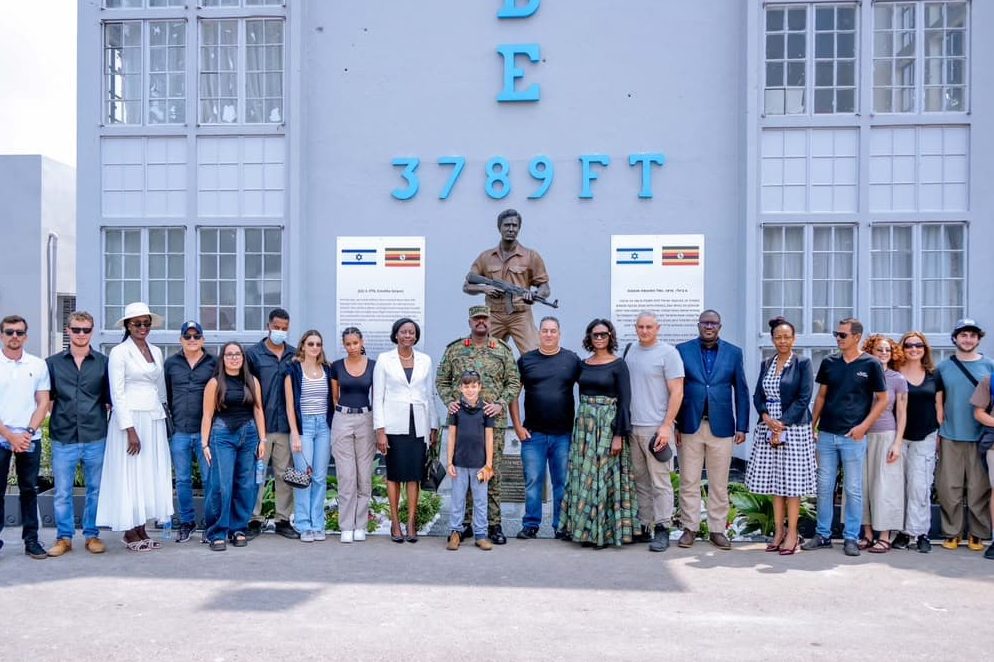



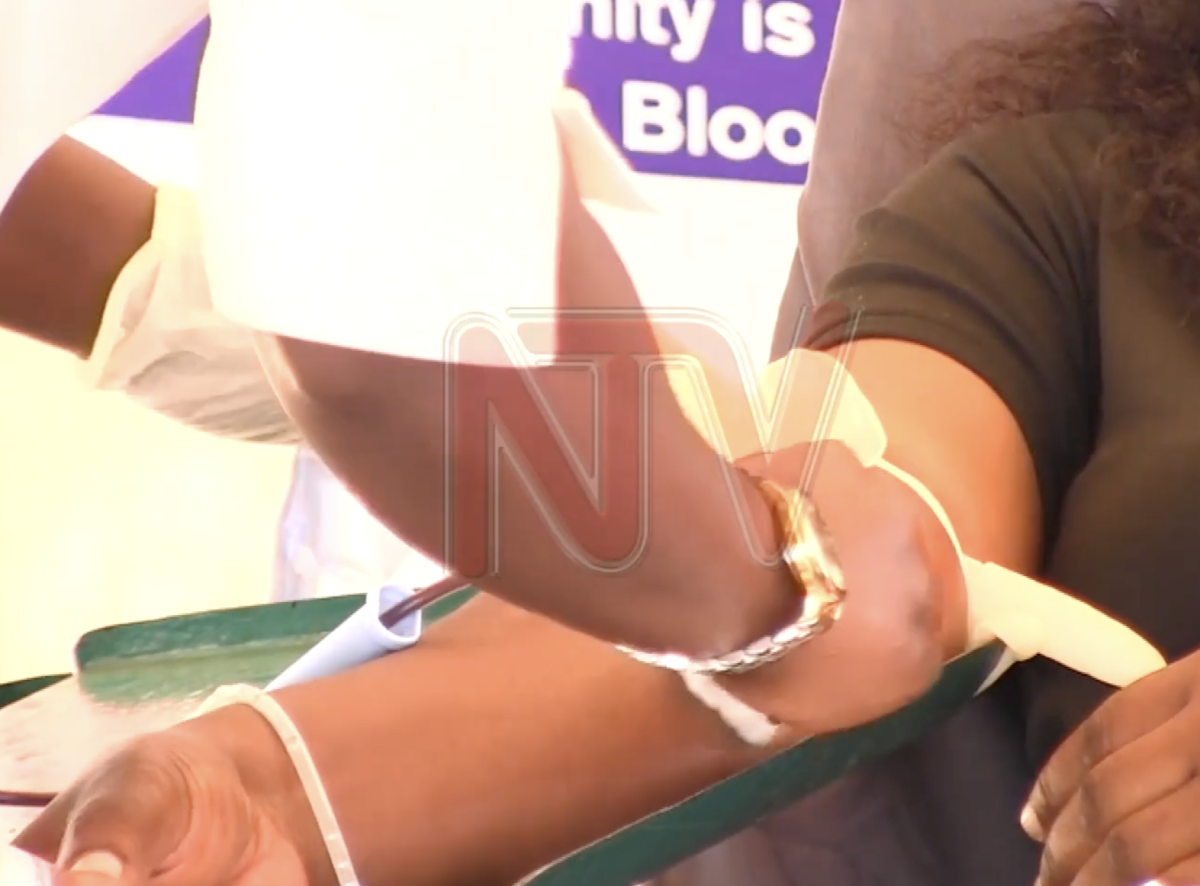
At a time when Uganda’s hospitals quietly brace for a seasonal dip in blood supply, an unlikely partnership is stepping up to fill the gap. During Independence Week celebrations this August, the Indian community in Uganda, together with Bank of India, has joined forces with Uganda Blood Transfusion Services (UBTS) on a month-long national blood donation drive. The goal: collect 30,000 units of blood before the shortage bites.
Why August Is a Dangerous Month for Blood Supply
There is a rhythm to Uganda’s blood donation calendar that most people never think about, but healthcare workers know it well. Students are the backbone of the country’s blood donation pool. When school terms end and young people scatter back to their villages and towns, the donation numbers drop sharply. Hospitals do not get a holiday break to match.
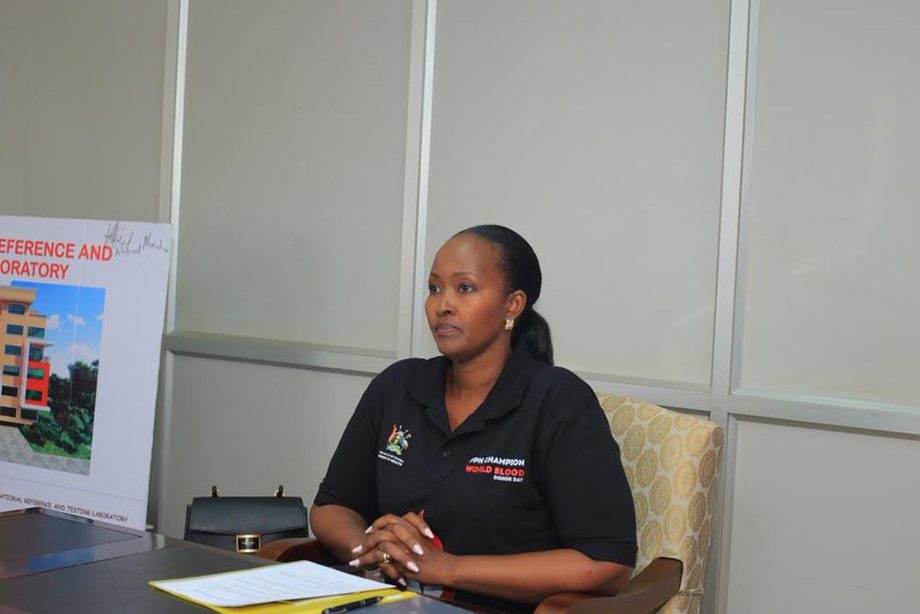
Lillian Nantambi, a senior blood transfusion recruiter at UBTS, has flagged this exact concern as the driving reason behind the campaign’s timing. As she explained to NTV Uganda, the drive is specifically designed to compensate for the shortfall that emerges when students, one of the most reliable donor demographics, go on holiday. It is a practical, well-timed intervention in a country where blood shortages can quickly become a matter of life and death.
Uganda needs thousands of units of blood every week to serve its hospitals, maternity wards, trauma units, and surgical theatres. The 30,000-unit target set for this campaign is not an abstract number dreamed up for optics. It represents real patients waiting for transfusions, real surgeries that cannot proceed without adequate supply, and real mothers whose lives depend on blood being available during complicated deliveries.
The Indian Community’s Role and Why It Matters
Uganda’s Indian community has been part of the country’s economic and social fabric for generations. From trade to industry, their footprint is wide and long-standing. Choosing to channel that presence into a public health campaign during Independence Week carries a symbolic weight that goes beyond the units of blood being collected.
Independence Week is naturally a moment of reflection for Uganda, a time when national identity, contribution, and shared responsibility come into focus. By anchoring a public health drive to this period, the organizers are sending a clear message: citizenship is not just about enjoying the fruits of a nation’s progress, it is about sustaining the systems that keep people alive.
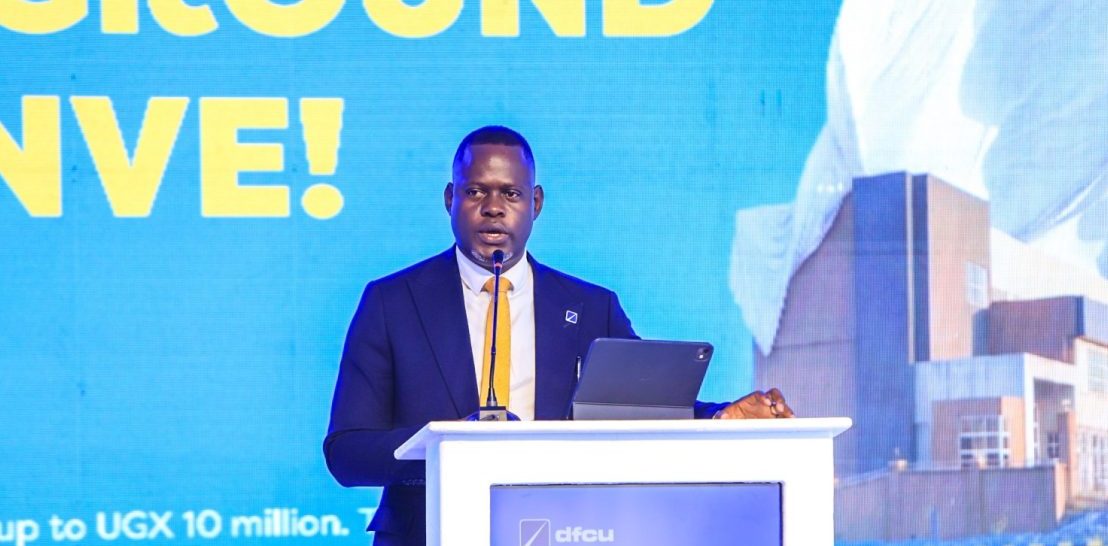
Bank of India’s involvement adds institutional credibility to the campaign. Financial institutions partnering with health services for community welfare is still not as common as it should be in East Africa. When a bank puts its name and resources behind a blood drive, it signals to other corporations that this kind of social investment is both meaningful and worthwhile. It also helps expand the reach of the campaign, tapping into networks and audiences that UBTS might not easily access on its own.
The Bigger Picture: Blood Shortages Across East Africa
Uganda is not alone in wrestling with blood supply inconsistency. Across East Africa, health systems routinely struggle to maintain safe blood stock levels. The World Health Organization recommends that a country collect blood from at least one percent of its population annually to meet basic medical needs. Many countries in the region fall below that threshold.
The student holiday problem Nantambi described is also not unique to Uganda. Wherever young people make up a large share of voluntary donors, the academic calendar directly influences supply curves. Solutions require creativity: targeting alternative donor groups, incentivizing workplace donations, and building community-based partnerships exactly like the one UBTS has structured with the Indian community and Bank of India.
What Sets This Campaign Apart
Month-long blood drives are not new, but the combination of factors here makes this one worth watching. A diaspora community using a national celebration as a platform for giving. A financial institution extending its brand into public health. A government health body proactively addressing a predictable seasonal shortage rather than reacting to a crisis after it hits. That is the kind of coordinated thinking that public health experts have long argued is the only sustainable way to manage blood supply in developing health systems.
The 30,000-unit target is ambitious by any standard. Achieving it would require consistent mobilization across the campaign’s entire duration, drawing donors from workplaces, faith communities, residential neighborhoods, and yes, whatever portion of the student population remains in Kampala during the break.
How You Can Get Involved
Blood donation remains one of the simplest and most direct acts of service a healthy adult can offer. The process takes under an hour, carries minimal physical risk for the donor, and directly saves lives. If you are in Uganda and between the ages of 17 and 65, weigh at least 50 kilograms, and are in good health, you are eligible to donate.
UBTS has collection centres across the country, and mobile donation units regularly visit workplaces, churches, mosques, and community centers during active campaigns. The current month-long drive means there are more opportunities and locations available than usual. You do not need to wait for a special event or a formal invitation to walk in and donate.
Corporate organizations watching this campaign from the sidelines might also consider this a cue. The Indian community and Bank of India have demonstrated what is possible when private sector actors treat public health as a shared responsibility rather than someone else’s problem. Other businesses have the same capacity to replicate this model.
The blood you donate today could be sitting in a hospital refrigerator next week, waiting for the moment a surgeon needs it, a mother hemorrhages after delivery, or a child with sickle cell disease comes in during a crisis. That is not a dramatic overstatement. It is simply how the system works.
So here is the question worth sitting with: if a community from across the world is showing up to keep Uganda’s hospitals stocked, what is stopping the rest of us from doing the same?