









September 2026 is shaping up to be one of those rare moments when the tech world delivers on multiple fronts simultaneously. On one side, Gamescom, the planet’s largest gaming convention, has once again turned Cologne into the undisputed capital of interactive entertainment. On the other, deep inside a California facility, a private company is quietly engineering the infrastructure that could succeed the International Space Station before the decade is out. Laura Cress and Lily Jamali have been tracking both stories, and what they found is worth every second of your attention.
Gamescom 2026: The World’s Biggest Gaming Convention Raises the Bar Again
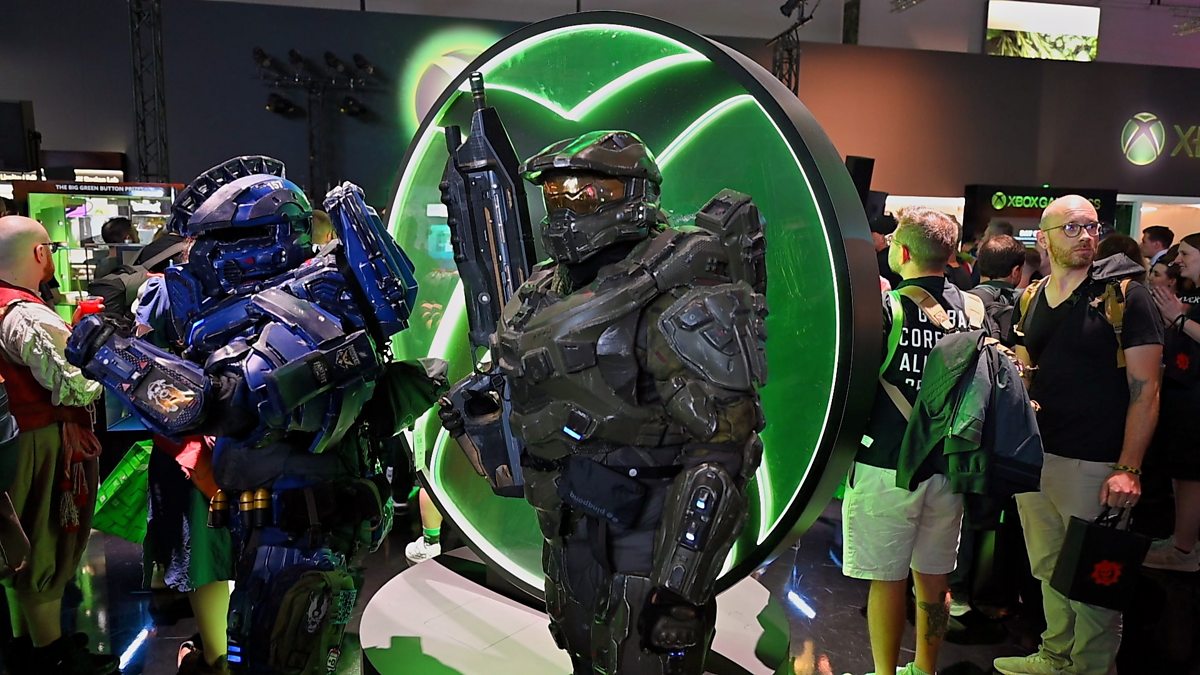
If you have ever doubted the cultural weight of video games, a single trip through Gamescom’s exhibition halls would correct that swiftly. The Cologne convention, which draws hundreds of thousands of visitors and commands the attention of every major publisher on earth, has become less a trade show and more a full-blown cultural festival. This year was no different, and by most accounts, it was bigger than ever.
Laura Cress brought viewers behind the velvet rope, capturing not just the spectacle of the show floor but the energy of an industry that has outgrown every box people tried to put it in. Gaming is no longer a niche hobby. It is one of the most valuable entertainment sectors on the planet, and Gamescom is where that power gets displayed in its most concentrated form.
What makes the convention so compelling is the sheer range of what it represents. You have billion-dollar studios unveiling sequels that will define the next fiscal year sitting alongside indie developers showing hand-crafted experiences built by teams of three or four people. That contrast, that ecosystem, is precisely why Gamescom commands the kind of reverence it does. The show does not just report on the state of gaming. It sets the agenda for it.
Why Gamescom Still Matters in a World of Digital Reveals
There is a fair question worth asking: in an age when any studio can drop a trailer online at any moment and reach millions of people within the hour, why does a physical convention still carry this much weight? The answer, it turns out, is deeply human. People want to be in the room. They want the shared experience of seeing something for the first time alongside thousands of other people who care just as much as they do. Digital reveals are efficient. Gamescom is electric. Those are very different things.
The convention also serves as a critical meeting point for industry professionals, journalists, and creators who use the event to build relationships, close deals, and absorb the broader direction of the market. It is, in that sense, as much a business summit as it is a celebration of play.
The California Company Betting It Can Replace the ISS
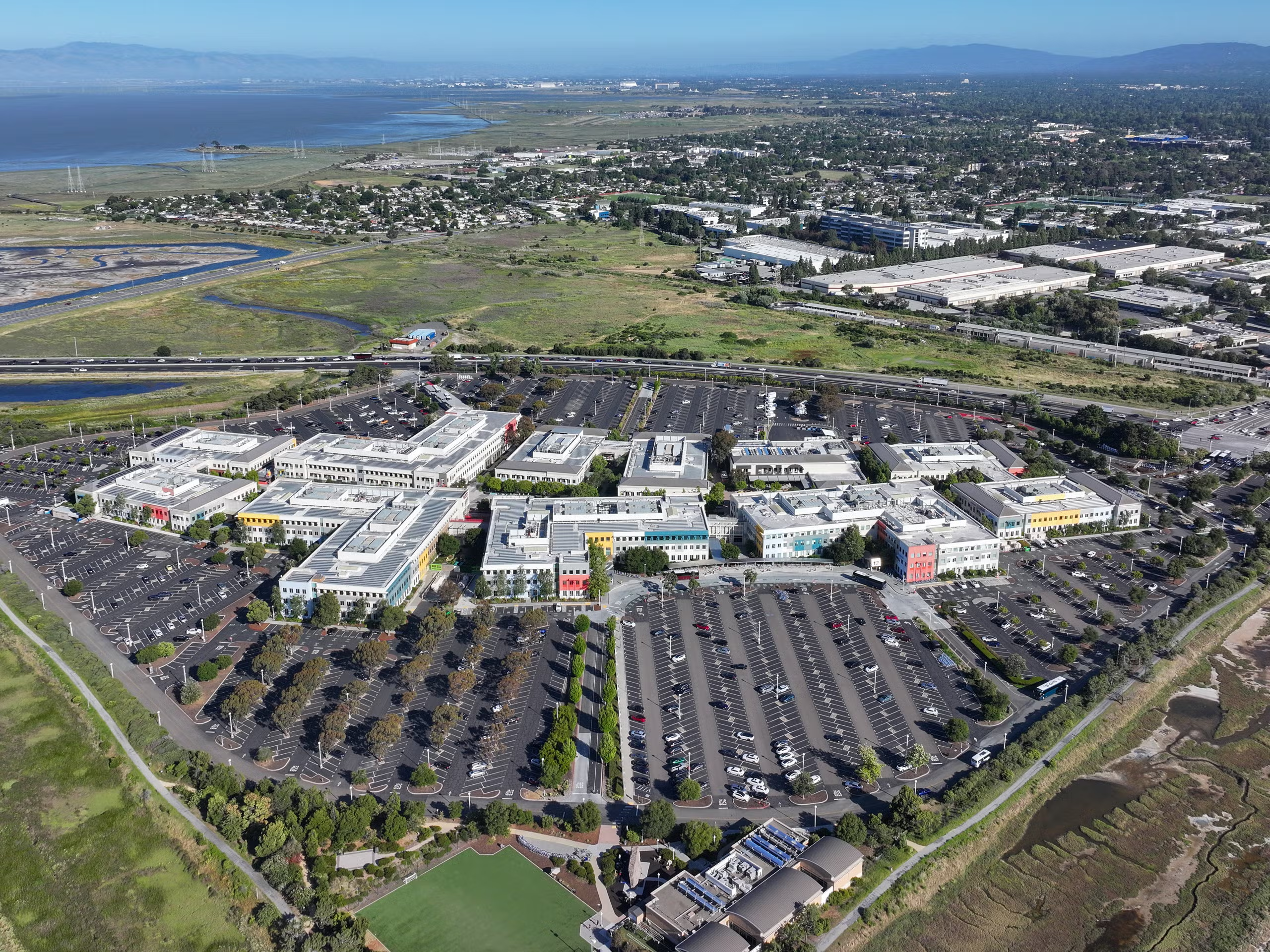
Shift your gaze from the bright lights of Cologne to a facility somewhere in California, and the story gets even more ambitious. Lily Jamali went behind the scenes at a company that is not merely talking about the future of human presence in space. It is actively building it.
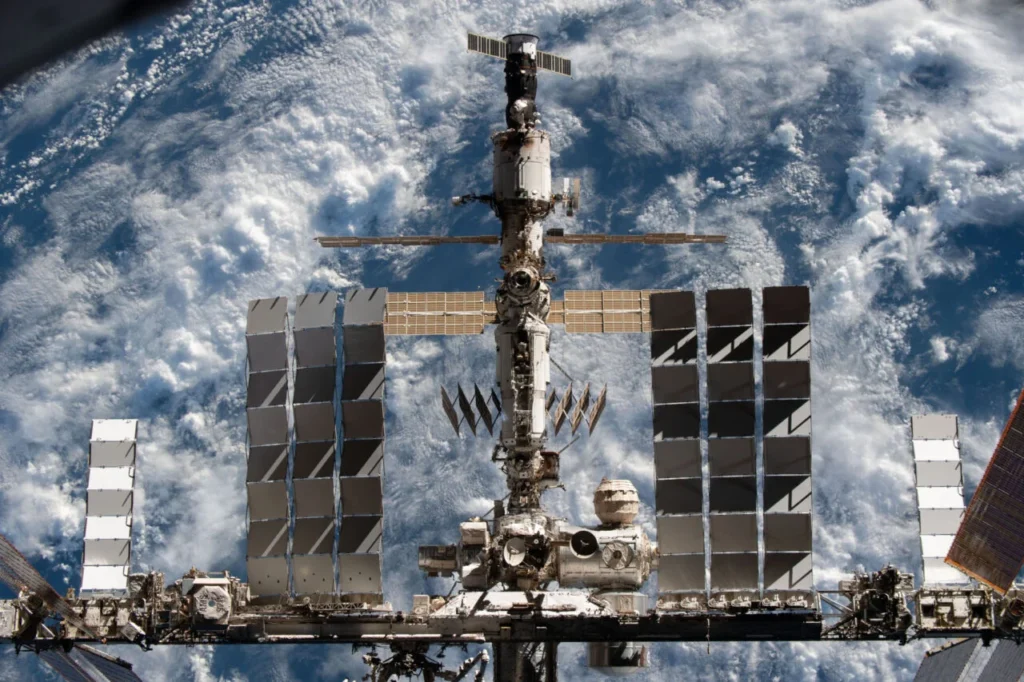
The International Space Station has been one of the most extraordinary achievements in the history of human cooperation. Since its first module launched in 1998, it has served as a continuously inhabited laboratory, a geopolitical handshake, and proof that nations can work together in pursuit of something genuinely bigger than themselves. But the ISS has aged, and its retirement has been anticipated for years. The question of what replaces it is no longer hypothetical. It is urgent.
Private companies have circled this opportunity for some time, but the California firm Jamali visited appears to be operating with a seriousness and a timeline that sets it apart. The details of what she found offer a window into just how far commercial space ambition has matured. This is not the era of flashy promises and vague timelines. The work being done now involves real engineering, real capital, and real consequences if it does not deliver.
What a Privately Operated Space Station Would Actually Mean
Replacing the ISS with a commercially operated platform would be a seismic shift in how humanity thinks about its relationship with low Earth orbit. The ISS was built and sustained through government funding and political will. A private station introduces market dynamics, corporate governance, and an entirely different set of incentives into what was previously a domain of public science.
That is not automatically a bad thing. Private competition has already transformed rocket launches in ways that would have seemed fanciful twenty years ago. The cost of getting to orbit has dropped dramatically, and the pace of innovation has accelerated. If that same energy can be applied to habitation platforms, the benefits for scientific research, manufacturing in microgravity, and even tourism could be substantial.
But the stakes are also genuinely high. A commercial station that prioritises profit over safety, or that becomes inaccessible to researchers from less wealthy nations, would represent a narrowing of the space programme’s original spirit. The tension between openness and commercialisation is one the industry will have to navigate carefully, and soon.
Two Stories, One Bigger Picture
At first glance, gaming conventions and space infrastructure seem like unrelated beats. Look a little closer, though, and a clear thread connects them. Both stories are about human ambition scaling up at a pace that challenges our assumptions about what is possible. Gaming has grown from a basement hobby into a cultural and economic force that shapes music, film, sport, and fashion. Space, once the exclusive territory of superpowers, is now being reshaped by private enterprise with timelines measured in years rather than decades.
Technology is the common denominator. Not technology as an abstract concept, but the specific, human-driven work of engineers, designers, entrepreneurs, and storytellers who refuse to accept the current version of reality as the final one. That is what Gamescom celebrates. That is what the California company is building toward. And that is why these stories, covered together, say something larger than either one could alone.
If the pace of change in gaming and in space exploration tells us anything, it is that the next five years will look almost nothing like the last five. Which raises a question worth sitting with: when private companies eventually hand over the keys to humanity’s home in orbit, who exactly decides who gets to live there, and on what terms?