



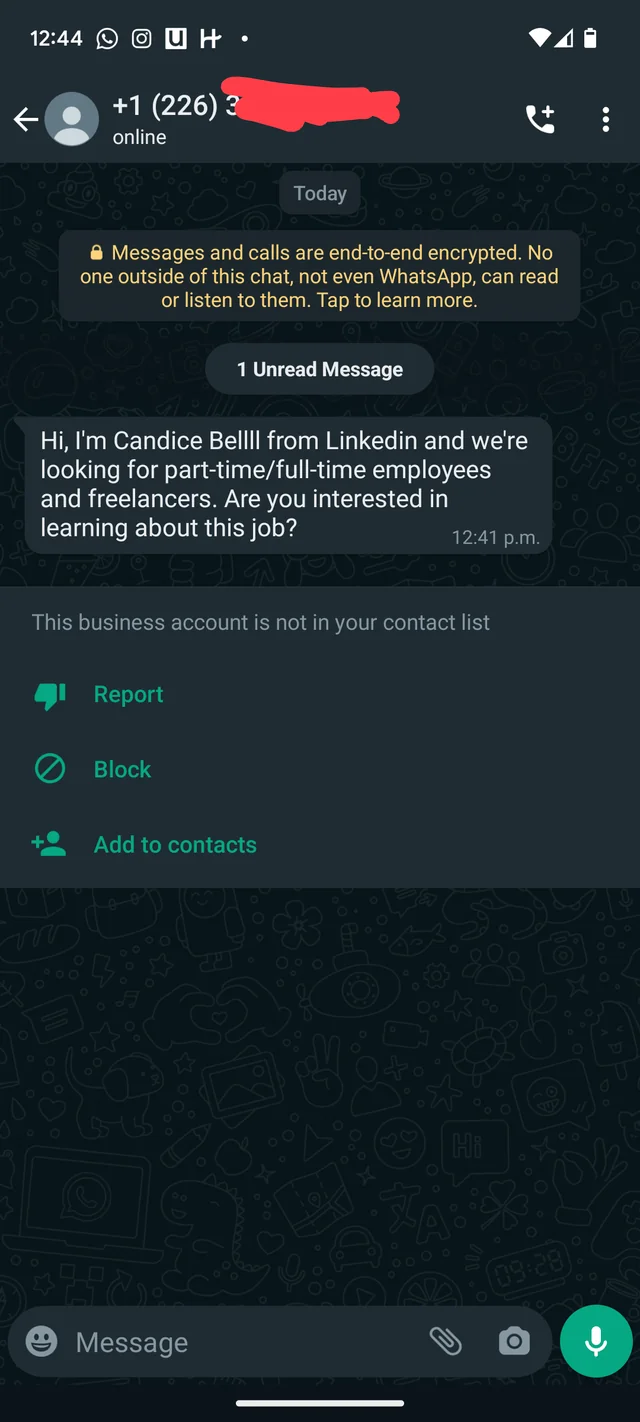
A jobseeker’s worst nightmare is not a rejection email. It is logging into a cryptocurrency account and watching the balance read zero, hours after what felt like a promising career opportunity. That is exactly what happened to one anonymous victim who lost £18,000 in savings after downloading what appeared to be a standard interview document sent through LinkedIn by someone posing as a legitimate recruiter.
The incident, reported by the BBC, is far from isolated. It sits at the sharp end of a surge in sophisticated recruitment fraud that is targeting desperate, hopeful people at their most vulnerable moment, the job hunt, and turning that hope into a doorway for financial devastation.

The Anatomy of a Modern Job Scam
The mechanics here are worth understanding, because they are alarmingly polished. The victim was approached on LinkedIn by a fake recruiter who presented as credible and professional. An invitation to a formal interview process followed. Then came a document download, something that looked completely ordinary, perhaps a briefing pack, an assessment tool, or a video conferencing plugin. It was, in fact, malicious software.
Once installed, the malware gave hackers access to the victim’s device and, critically, to his cryptocurrency wallets. Within hours, £18,000 was gone. The scammers disappeared without a trace. “It’s a horrible feeling to be out a substantial amount, something I wouldn’t wish on my worst enemy,” the victim said, choosing to remain anonymous.
This is not a crude phishing email with broken English. This is a structured, multi-step social engineering operation designed to bypass both human suspicion and software defences.
LinkedIn’s “Scam Gap” and Why Young People Are Bearing the Brunt
Professional platforms LinkedIn and Indeed have both acknowledged that job-related scam activity has been growing at a concerning rate. LinkedIn has been particularly candid, releasing data identifying what it calls the Gen Z “Scam Gap.” The numbers are striking: younger professionals face the highest exposure to scams at 32%, and nearly a third of that same group admits to ignoring red flags because the job market feels so competitive that they cannot afford to be cautious.
When the BBC pressed LinkedIn on this, the platform acknowledged that in a crowded market, “many young people feel they can’t afford to be skeptical… because they feel opportunities are so scarce.” That is a psychologically devastating combination. Scarcity breeds urgency. Urgency kills judgment. And scammers know this better than anyone.
The cruel irony is that the very people who need financial security most, young adults at the start of their careers, are the ones being targeted most aggressively. A £18,000 loss can set someone back years. For a recent graduate, it could represent an entire year’s savings wiped out in a single afternoon.
What the Platforms Are Doing About It
LinkedIn has pointed users toward guidance on its website about spotting fake job listings, including verifying that both the company and the specific role are legitimate before engaging. The advice includes doing thorough background research, cross-checking recruiter profiles, and being sceptical of any process that moves unusually fast or requires software downloads before a formal offer is made.
Indeed has similarly flagged the issue, though the broader question of whether platform-level safeguards are keeping pace with the sophistication of these scams remains open. Fraudsters are not posting obvious fakes; they are constructing convincing personas, sometimes complete with employment histories and mutual connections, to build false trust before striking.
Red Flags Every Job Seeker Should Know
If you are currently searching for work, there are patterns worth memorising. Be immediately suspicious of any recruiter who contacts you out of nowhere on a social platform and accelerates through the hiring process at unusual speed. Legitimate employers rarely ask candidates to download third-party software or proprietary tools before even a first formal interview. Any request to install something on your device, regardless of how professional the accompanying documentation looks, should trigger a hard stop and independent verification.
Always look up the company through official channels, not through links provided in the message itself. Search the recruiter’s name and profile independently. A LinkedIn connection count or a profile photo proves nothing; fake accounts can be constructed in minutes. If the company’s website looks thin, the domain was registered recently, or the contact email does not match the corporate domain, walk away.
Cryptocurrency holdings deserve special attention here. Because crypto transactions are largely irreversible and pseudonymous, they are the preferred target for this category of fraud. If you hold any digital assets, ensure your wallets are secured with hardware keys or multi-factor authentication and that those credentials are never stored on a device you use for general browsing or document downloads from unknown sources.
The Bigger Picture: Trust in the Digital Hiring World
There is a structural problem underneath all of this. The job market has moved almost entirely online, and with it, the relationship between candidate and recruiter has become almost entirely mediated by platforms that were built for connection, not for verification. A handshake once told you something about a person. A LinkedIn profile tells you what someone wants you to believe.
Platforms carry genuine responsibility here. Algorithmic detection of fake recruiter accounts, faster reporting mechanisms, and clearer warnings when a profile is newly created or behaving in patterns consistent with fraud are all steps that could meaningfully reduce harm. Pointing users to a webpage of tips, while better than nothing, is not the same as building safety into the product itself.
For now, the burden falls on job seekers to be their own gatekeepers in a process that should feel collaborative and hopeful. That is an unfair ask, particularly for younger professionals who are already navigating enormous economic pressure. But until the platforms close the gap between their reach and their accountability, vigilance is the only reliable shield.
One person’s £18,000 loss is a wake-up call for every professional with an active job listing profile. The next fake recruiter is not lurking in a dark corner of the internet; they are in your inbox right now, and they look completely legitimate.
So here is the question worth sitting with: if a job opportunity appeared in your inbox today that felt almost too good to be true, would you slow down long enough to check, or would the fear of missing out win? Share your thoughts below, and if you know someone currently job hunting, send this their way. It could save them a lot more than time.