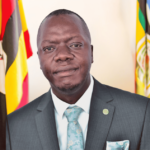




One of Uganda’s most recognizable socialites is breathing fresh air again. Kirumira Bryan, known across the country and beyond as Bryan White, walked out of Luzira’s Upper Prison on September 4, 2026, after the High Court in Kampala ordered his immediate release on mandatory bail. The ruling came after he had spent a staggering 293 days on remand, facing charges that include alleged human sacrifice, manslaughter, and possession of a narcotic drug.
A Constitutional Clock That Ran Out
The legal basis for his release is as straightforward as it is damning for the prosecution’s timeline. Justice Gadenya Paul Wolimbwa, presiding over the matter, found that Kirumira had been held for 113 days beyond the constitutionally prescribed 180-day limit within which an accused person must either be committed for trial at the High Court or released on bail. The Constitution of Uganda is unambiguous on this point: pretrial detention beyond 180 days without committal is a violation of a citizen’s fundamental rights.
In other words, the state had nearly ten months to build its case and move it forward. It did not. And under Ugandan law, that failure has consequences.
According to a report on the ruling, the court set the cash bail at Shs10 million, a figure that, for a man of Bryan White’s public profile, is unlikely to pose any significant obstacle.
From Arrest to Extended Remand
Kirumira was arrested on November 13, 2025, and transferred to Luzira Upper Prison, the facility that houses many of Uganda’s high-profile detainees. The charges against him, particularly the allegation of human sacrifice, made headlines immediately. Human sacrifice cases carry enormous public weight in Uganda, where concerns about ritual killings tied to wealth-seeking practices have drawn consistent attention from law enforcement, religious leaders, and civil society for years.
Yet despite the gravity of the charges, the case against Bryan White appeared to stall in the pipeline of the criminal justice system. He was brought to court on the day of the ruling, but the legal machinery that should have committed him for full trial within the constitutional window simply had not moved fast enough.
What Mandatory Bail Actually Means
It is worth being clear about what this ruling does and does not mean. Mandatory bail is not an acquittal. Bryan White is still facing the charges against him. He is not free in the sense that the case has been dropped or that he has been found innocent. The bail order is a constitutional remedy, a safeguard built into Uganda’s legal framework to prevent the state from using prolonged pretrial detention as a form of punishment before guilt is even established.
The distinction matters because public reaction to bail grants in high-profile cases often conflates release with exoneration. These are entirely different legal outcomes. Kirumira must now comply with the conditions of his bail, and the case against him continues.
A High-Profile Case With Deep Public Interest
Bryan White built his public persona on extravagant displays of generosity, viral videos of cash giveaways, and a larger-than-life presence that made him a household name in Uganda. His arrest in late 2025 shocked many of his followers, given that the charges, especially human sacrifice, painted a picture radically at odds with the benevolent image he had cultivated.
The case has gripped public attention not just because of who Bryan White is, but because of what the charges represent. Allegations of human sacrifice tap into deeply held fears and moral anxieties that transcend celebrity. They speak to questions about the lengths people allegedly go to in pursuit of wealth and power, questions that resonate in a society where economic inequality is stark and conspicuous consumption is both admired and suspected.
The Broader Question of Pretrial Detention
Beyond the celebrity angle, this case puts a spotlight on a structural issue within Uganda’s criminal justice system. The 180-day constitutional limit exists precisely to prevent accused persons from languishing in detention indefinitely. When that limit is breached by 113 days, it is not a minor administrative hiccup. It represents a systemic failure that affects not just Bryan White but countless less prominent Ugandans who sit in remand prisons without the legal representation or public profile to force a court’s hand.
Uganda’s prisons are chronically overcrowded, and a significant portion of that population consists of remand prisoners awaiting trial. When the pipeline between arrest, committal, and trial clogs, the human cost is measured in months and years of people’s lives lost to a system that has not yet determined their guilt.
What Comes Next
With bail secured at Shs10 million and his freedom restored for now, attention shifts to what happens in the actual trial. The charges Bryan White faces are serious. Manslaughter carries significant penalties under Ugandan law, and human sacrifice allegations, if proven, attract some of the harshest sentences the system can impose. The prosecution will need to present its evidence before a court, and Bryan White’s legal team will have the opportunity to mount a full defense.
For now, though, Uganda’s most talked-about socialite is out of Luzira, the constitutional clock having simply run out on the state’s ability to keep him there.
As this case moves toward its next phase, one question lingers: if the justice system can breach the constitutional rights of a nationally known figure for 113 days without consequence, what does that say about the protection available to ordinary Ugandans sitting in remand cells that nobody is counting?