









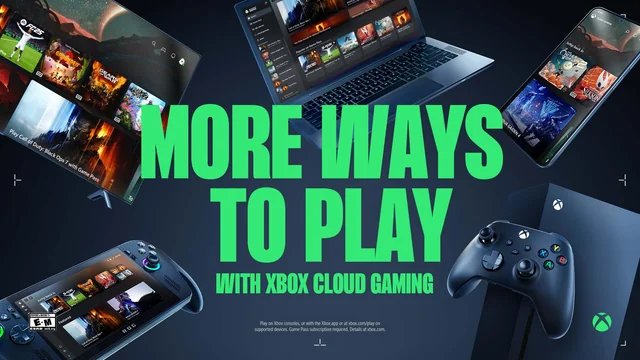
Microsoft’s Xbox division is set to introduce monthly caps on cloud gaming access for Game Pass subscribers, a move that lands in November and is already generating serious pushback from the gaming community. The ceiling: 15 hours per month for those on the top-tier Ultimate plan, five hours for Essential subscribers, and 10 hours for Premium tier users, after which they will need to pay for additional streaming time.
What Exactly Is Changing, and When
Cloud gaming, for those who haven’t touched it, lets players stream and play titles directly from a remote server through a phone, tablet, or compatible controller, no hefty console or PC required. It’s the gaming industry’s answer to Netflix, flexible and device-agnostic. But starting this November, that flexibility is coming with a strict monthly allowance attached.
Under the new structure, Xbox confirmed that Game Pass Ultimate subscribers will be limited to 15 hours of cloud play per month at the £16.99 price point. The Essential tier gets five hours, while Premium users land somewhere in the middle at 10 hours. Any streaming beyond those thresholds will require purchasing extra time, a model that feels less like a subscription service and more like a prepaid phone plan from 2009.
Xbox’s Reasoning: Rising Costs and Infrastructure Investment
Xbox has been upfront about the motivation here, citing the increasing cost of running cloud gaming infrastructure at scale. The company says these limits will allow it to keep investing in the service’s reliability and performance, essentially arguing that putting a cap on usage is how it keeps the lights on and the servers fast.
It’s a familiar line from tech companies navigating the brutal economics of cloud computing. Streaming games in real time is far more resource-intensive than streaming video. Every session demands significant server-side processing power, latency management, and bandwidth. Those costs compound quickly when you scale them across millions of users. The justification is logical, if deeply unpopular.
But How Many People Actually Use Cloud Gaming?
Here’s where the story gets interesting. Xbox itself has acknowledged that only around 4% of its Game Pass user base actually taps into the cloud gaming feature. With approximately 30 million Game Pass subscribers, a figure reported by The Wall Street Journal, that translates to roughly 1.2 million people who actively stream games through the service and would be directly affected by these new limits.
That is not a trivial number, but it does put the backlash in context. The majority of Game Pass users are downloading and playing games locally on consoles or PCs, where none of these caps apply. The changes are targeted, even if the optics suggest something more sweeping.
The Community Reaction: Short, Sharp, and Annoyed
Online reaction has been swift and largely unimpressed. One user on X put it bluntly: “This is a pretty awful change, hopefully Xbox adds an extra zero on the end cause 15hrs is abysmal. 30 minutes a day, really?” That sentiment captures the general mood, even if 15 hours sounds reasonable on paper, broken down it amounts to just half an hour of cloud play per day across a full month, which many gamers consider woefully inadequate for any meaningful session.
Others have questioned whether cloud gaming has enough of an active user base to warrant the controversy at all, pointing to that 4% figure as evidence that the feature remains a niche add-on rather than a cornerstone of the Game Pass experience. The skeptics aren’t wrong to raise it. If the vast majority of subscribers aren’t using the feature, the policy change affects a relatively small slice of the total audience, though that’s cold comfort for the 1.2 million who are.
What This Signals for the Broader Cloud Gaming Landscape
Zoom out a little, and this move says something bigger about where cloud gaming stands in 2026. For years, the technology was sold as the future of interactive entertainment, play anything, anywhere, on any device, with no hardware barrier. That pitch was genuinely exciting. But the economics of delivering on it have proven stubbornly difficult.
Xbox is not alone in grappling with these pressures. The entire cloud gaming sector has faced questions about profitability, latency, and consumer adoption. Putting time caps on what was previously an “included” service is one way to manage costs, but it risks eroding the very value proposition that made cloud gaming attractive in the first place. When the promise was “freedom to play anywhere,” a stopwatch attached to that freedom changes the experience fundamentally.
For the 96% of Game Pass subscribers who never touch cloud streaming, November will come and go without any noticeable change. But for the committed cloud gamers, the 1.2 million who rely on it for flexibility, the new structure is a direct hit to their routine, and a sign that the era of unlimited cloud play, brief as it was, may already be in the rearview mirror.
The question now is straightforward: if Xbox is already throttling access on its highest-priced tier, where does the ceiling go next, and at what point does the subscription start feeling less like a deal and more like a downgrade?