



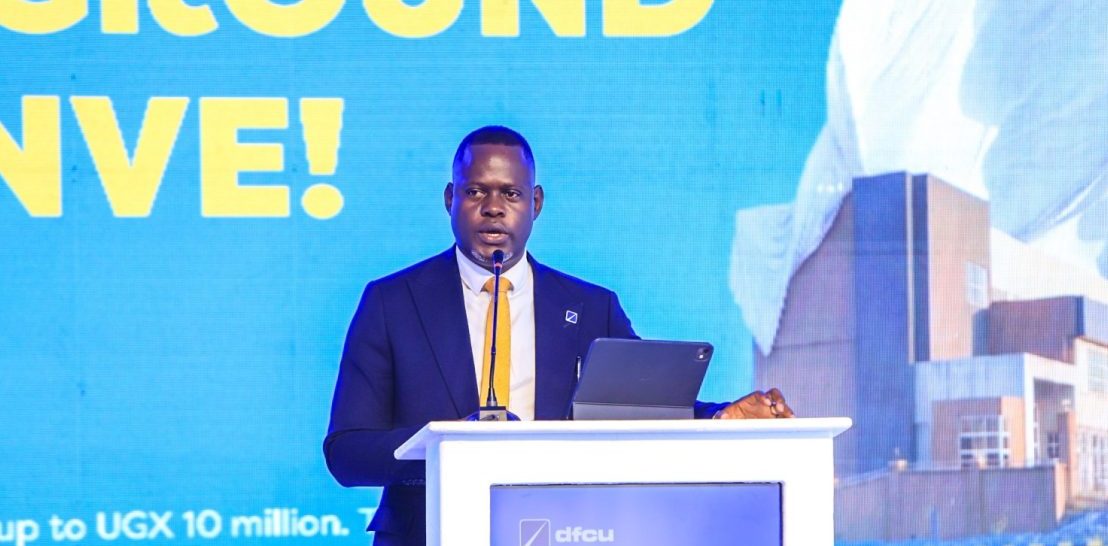
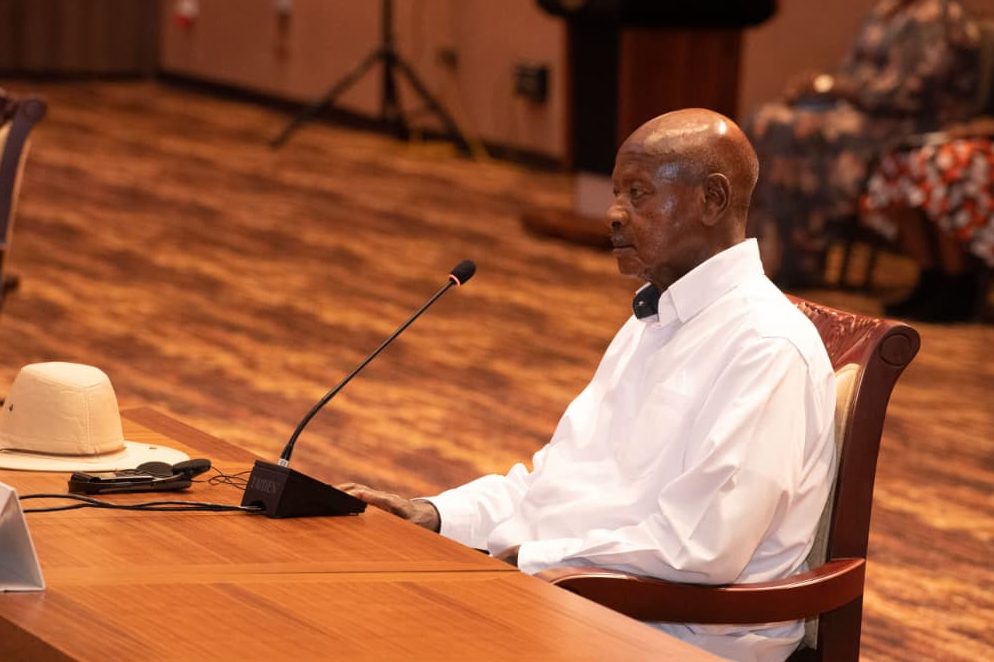






At a ceremony in Kampala marking ten years of the Real Estate Institute of East Africa, Uganda’s Lands, Housing and Urban Development Minister Judith Nabakooba delivered a message that cut well beyond the usual ribbon-cutting platitudes. Affordable housing, she argued, is not just a social good. It is a tax machine, one that Uganda has barely switched on.

The Numbers Behind the Argument
Nabakooba’s core claim is hard to ignore. According to the minister, improving access to affordable housing could generate a 60% boost in tax compliance across the country. That is not a marginal uptick. That is the kind of fiscal shift that rewrites national budgets. To understand why the government is paying such close attention, consider that the real estate and housing sector already contributes roughly 11% of Uganda’s GDP, translating to approximately UGX 12.135 trillion annually. A sector that large, humming at full capacity, would change the conversation around public revenue entirely.
The logic is straightforward even if the execution is anything but. When people have stable, formal housing, they are more likely to be part of the formal economy. Formal economy participation means registered businesses, documented income, and, critically, taxes paid. Informality, which tends to flourish when people cannot access decent housing, is the enemy of the tax collector. Nabakooba is essentially arguing that the government’s housing agenda and its revenue agenda are one and the same.
A Mortgage Problem That Has Lingered Too Long
The minister did not just deliver statistics and walk off the stage. She pointed to one of the most persistent obstacles strangling Uganda’s property market: double-digit mortgage interest rates. For most working Ugandans, borrowing money to buy a home is not a stretch goal, it is a financial impossibility. The rates are simply too punishing for average earners to manage over the long term of a home loan.
To tackle this, the government is pursuing the creation of a mortgage refinancing company. The idea is to create a mechanism that brings down the cost of borrowing along the entire housing value chain, making it cheaper for developers to build and for buyers to purchase. It is a model that has worked in varying forms across other markets, where government-backed refinancing vehicles have helped unlock private investment and cool interest rates without requiring direct state subsidies at every transaction point.
Whether Uganda’s version of this institution will have the teeth to move the needle is a question that the market will answer in time. But the political will to establish it appears genuine, at least based on what Nabakooba told attendees at the Real Estate Institute anniversary event.
The Gap Between Policy and People
Here is where the optimism meets a wall. Despite the GDP contribution, despite the policy language, and despite the plans for a refinancing company, the minister herself acknowledged that the sector is severely constrained when it comes to meeting actual demand. Most Ugandans cannot access affordable and decent housing. Not because they do not want it. Because the value chain, from land acquisition to construction financing to mortgage lending, is riddled with barriers that price ordinary people out at almost every stage.
Land costs in urban centres have climbed sharply. Construction materials carry import costs that fluctuate with the shilling. Developers targeting the middle and lower-income segments often cannot secure financing at rates that allow them to keep end prices within reach of their intended buyers. The result is a market that builds for the top and leaves everyone else negotiating for crowded, informal, and insecure alternatives.
What the Real Estate Sector Needs to Hear
The anniversary of the Real Estate Institute of East Africa was, in many ways, the right room for this conversation. A decade of professional development in the sector is worth celebrating. But it is also a moment to ask how much of that expertise has reached the communities that need it most. Real estate professionals, developers, financiers, and urban planners all have a role to play in closing the gap between what gets built and what gets bought by ordinary people.
Training more professionals, improving valuation standards, and tightening the legal frameworks around land transactions are not glamorous interventions. But they are the kind of structural improvements that make a housing market function for more than just the wealthy. If the Institute’s next decade sharpens its focus on that lower end of the market, the sector’s contribution to GDP could look very different by 2036.
A Vision That Needs More Than Vision
Uganda is not alone in wrestling with urban housing shortages tied to high financing costs and weak formal market access. Across East Africa, governments are grappling with rapid urbanisation that is outpacing the infrastructure, financial systems, and policy frameworks needed to house people decently. The scale of Kampala’s growth alone puts enormous pressure on everything from water connections to road access to title deed processing.
Nabakooba’s framing of housing as a tax compliance lever is clever and, frankly, accurate. But clever framing only goes so far. The mortgage refinancing company, if it materialises, will need to be properly capitalised, independently governed, and structured in a way that genuinely reduces borrowing costs rather than adding another layer of bureaucracy to an already cumbersome process. The devil, as always, is entirely in the execution.
For Ugandans watching from the sidelines of the formal housing market, the message from Kampala is that change is coming. The more pressing question is: how long can they afford to wait for it?