








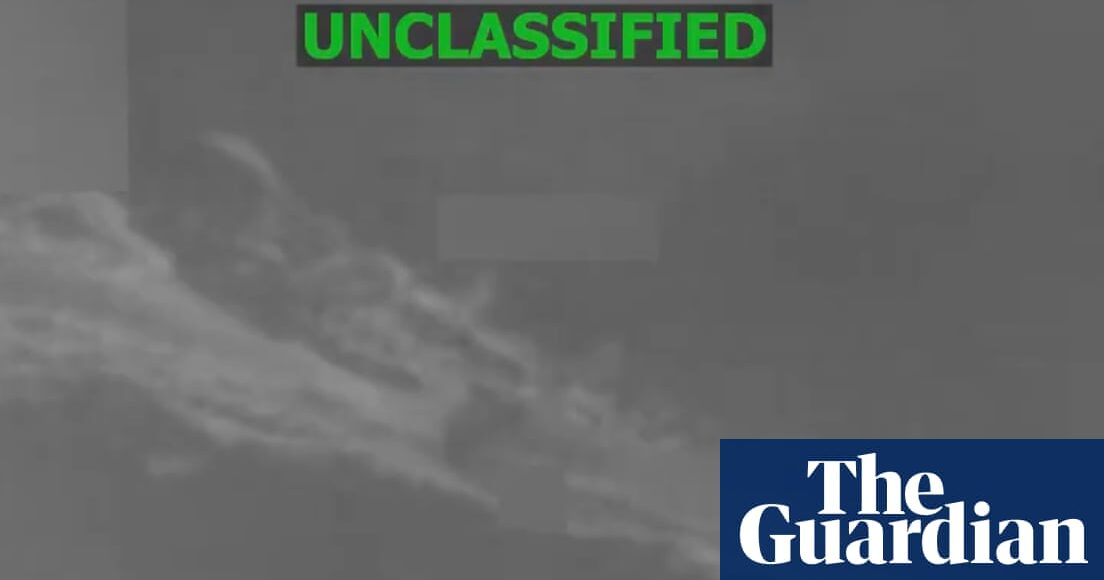
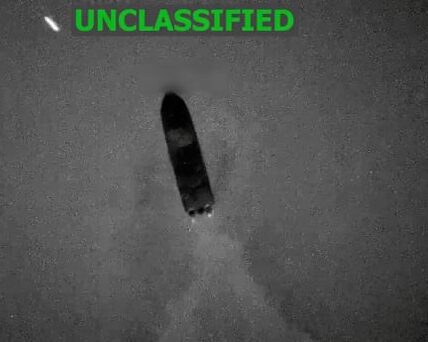
Two people are dead after the United States military opened fire on a vessel moving through the eastern Pacific Ocean on what American officials described as an established drug trafficking corridor. US Southern Command, the military authority responsible for operations across Latin America and the surrounding waters, announced the strike on Monday, August 24, confirming it had “executed a lethal kinetic strike” on a low-profile vessel navigating known narco-trafficking routes.
What Happened and Why It Matters
The language coming out of US Southern Command was precise, almost clinical. “Low-profile vessel” is military terminology for the kind of semi-submersible or near-waterline craft that cartels have long favored for moving large drug shipments undetected across thousands of miles of open ocean. These boats sit so low that radar struggles to pick them up. They are built for invisibility, not survival.
According to reporting on the strike, the two people killed were accused of drug trafficking. The strike was not an accident or a miscalculation. It was a deliberate use of lethal force by the US armed forces against individuals on a civilian-style vessel in international waters, and that distinction deserves serious attention.
SouthCom framed the operation in familiar counter-narcotics language, pointing to the vessel’s position along routes that traffickers have used for decades to move cocaine and other drugs northward toward Central America and ultimately the United States. The eastern Pacific corridor is one of the most active drug smuggling lanes on the planet, and the US military has been operating there for years with a mix of surveillance, interceptions, and, increasingly, direct action.
A Pattern of Lethal Strikes at Sea
What stands out here is the phrase buried in SouthCom’s own announcement: this was described as the first such strike “in months.” That framing implies a pattern. This was not an isolated incident or a novel escalation but rather a recurring tactic that simply had a quiet stretch before returning to the headlines.
The legal and ethical architecture around these strikes is murky, to put it generously. International maritime law allows for the interception and boarding of suspect vessels under certain conditions, typically tied to flags of convenience, stateless vessels, or agreements between nations. Lethal strikes against people on those vessels occupy far grayer legal territory, particularly when the individuals involved have not fired on US forces and are operating, however illegally, in international waters.
Human rights organizations have raised concerns about due process in these kinds of operations. Killing someone accused of drug trafficking, without trial, without charges, and without any judicial oversight, is a significant act, regardless of how guilty those individuals may have been. The word “accused” in SouthCom’s own framing is worth sitting with for a moment.
The Broader Counter-Narcotics Strategy
The US has invested enormous resources in maritime interdiction across the eastern Pacific and the Caribbean. Coast Guard cutters, Navy destroyers, and aerial surveillance platforms operate continuously in these waters, and cooperation with Latin American partner nations adds another layer of reach. The results, measured in drug seizures, are often genuinely impressive. Billions of dollars worth of cocaine have been pulled off the ocean in recent years.
But seizures and kinetic strikes are different animals. Interdiction that results in arrests feeds the criminal justice system and can produce intelligence about trafficking networks. A strike that kills two people ends those conversations permanently. Critics of the lethal strike approach argue that it removes valuable human intelligence from the equation while also sidestepping the judicial accountability that comes with arrests and prosecution.
Supporters, on the other hand, argue that the scale and violence of the drug trade justifies a military response, that traffickers operating these vessels are not innocent bystanders, and that the danger posed by narco-trafficking networks to both the US and source countries in Latin America is a legitimate national security concern.
What SouthCom’s Language Tells Us
There is something worth noticing about how the US military chose to announce this. The phrase “lethal kinetic strike” is the language of warfare, not law enforcement. It situates this operation firmly in the military domain, with all the authority and ambiguity that implies. SouthCom is not a police agency. It does not make arrests or process suspects. When it acts, it acts with the tools of armed conflict.
That framing has consequences. It signals to adversaries that the US is willing to use military force in these waters. It also signals to the public, and to international observers, that the line between counter-narcotics operations and armed combat has become thin enough to be nearly invisible.
The Human Cost
Beyond the strategy and the legal debates, two people are dead. Their names have not been released. Their nationalities have not been confirmed publicly. What is known is that they were on a boat in the Pacific, that the US military identified them as drug traffickers, and that a strike was authorized and carried out. That sequence of events, from suspicion to lethal action, happened without a courtroom, without a judge, and without any public accountability process beyond SouthCom’s own announcement.
The eastern Pacific is far from most people’s daily lives. Events there rarely break through the noise of domestic news. But the decisions made in those waters, the rules of engagement, the standards of evidence required before a strike is authorized, the accountability structures that govern the use of lethal force, these decisions shape what kind of actor the United States is in the world, and what it is willing to do in the name of stopping drugs from reaching American streets.
As counter-narcotics operations grow more aggressive and the body count from these maritime strikes rises, one question keeps returning: at what point does a war on drug trafficking become something that demands the same public scrutiny and legal accountability as any other armed conflict? That is not a question the US military is rushing to answer.