










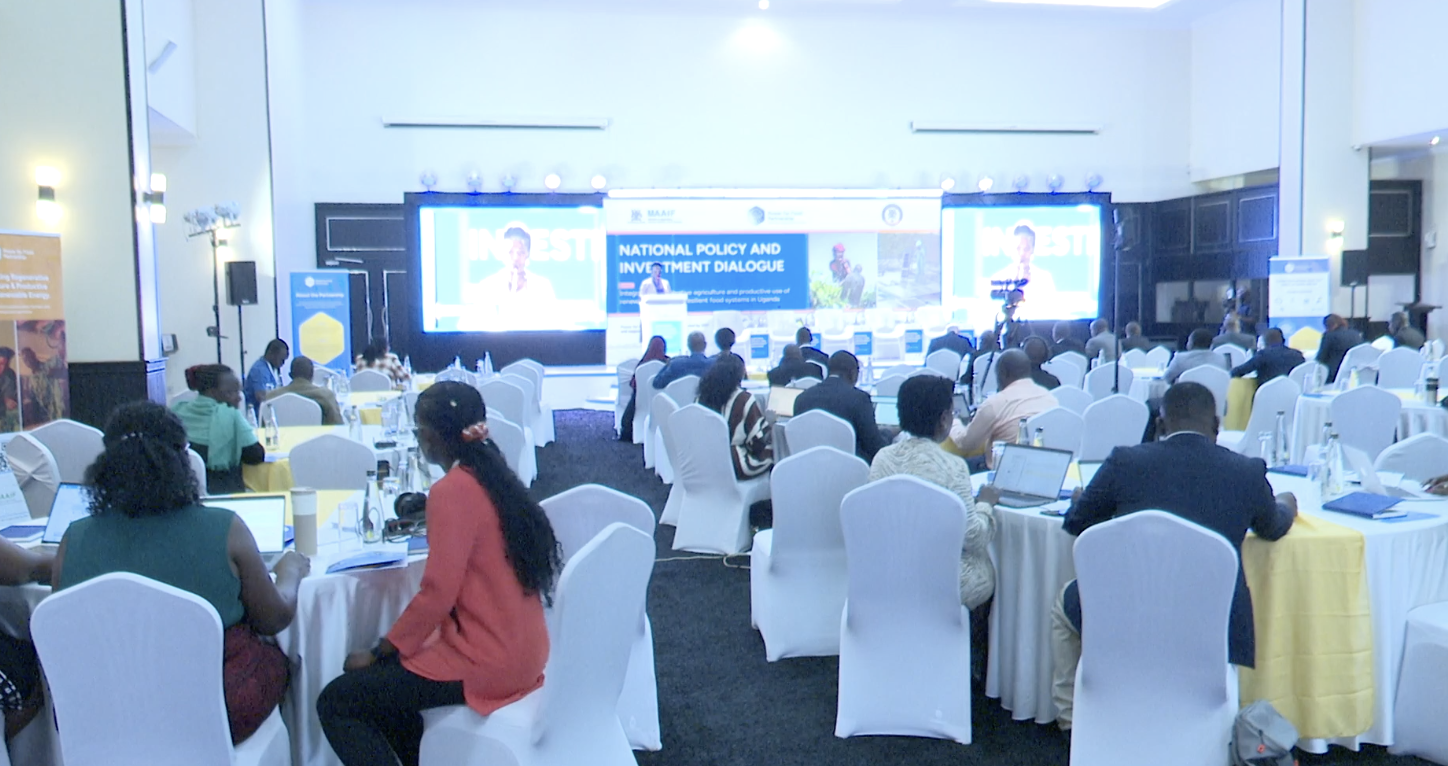
Uganda’s ambition to become a serious commercial agriculture powerhouse is running headlong into a problem that no amount of fertile soil or favourable rainfall can fix on its own: the farms simply do not have enough energy to function at scale. As of August 2026, the country’s ministries of Agriculture and Energy have begun a formal process of realigning their policies, a coordinated effort to get reliable, affordable power into the hands of farmers who need it most, from the smallholder growing vegetables on a few acres to the larger operations handling post-harvest processing and cold storage.
A Growing Deficit No One Can Ignore
For years, Uganda’s agricultural sector has quietly absorbed the consequences of inadequate energy access. Irrigation systems go underused because diesel generators are too expensive to run consistently. Produce spoils because cold storage requires a steady electricity supply that rural areas rarely enjoy. Processing facilities operate below capacity, meaning raw commodities leave Uganda rather than value-added products, a persistent drag on export earnings and farm-gate prices alike.
The problem is not new, but the urgency around it is. As Uganda pushes to scale up commercial agricultural production, the gap between what the sector needs and what the grid currently delivers has become impossible to paper over. NTV Uganda reports that the two ministries have now moved from acknowledging the problem to actively building the policy architecture to address it, with a clear focus on renewable energy sources reaching the grassroots level.
Why Renewable Energy Is the Only Realistic Answer
Extending the national grid to every farming community in Uganda would take decades and billions of dollars the government does not have sitting idle. That reality has pushed solar, biogas, and small-scale hydroelectric solutions to the centre of the conversation. Solar-powered irrigation pumps, for instance, have already shown what is possible in pockets across East Africa, cutting farmers’ costs, extending growing seasons, and reducing dependence on unpredictable rainfall. The technology exists. What Uganda needs now is the policy environment and the financing mechanisms to deploy it at a meaningful scale.
Biogas is another piece of the puzzle that often gets overlooked. Livestock farming generates vast quantities of organic waste that can be converted into cooking fuel and electricity, reducing households’ reliance on firewood while powering small processing operations. For a country with a significant cattle corridor and a large number of smallholder livestock keepers, the potential here is substantial and largely untapped.
The Processing and Storage Problem
It is easy to focus on production when discussing agriculture, but the post-harvest segment is where Uganda loses enormous value every single year. Estimates across sub-Saharan Africa consistently show that between 30 and 40 percent of food produced never reaches a consumer, lost instead to spoilage, poor handling, and inadequate storage. Energy is the thread running through almost every solution to that problem. Refrigerated storage needs power. Grain dryers need power. Milling equipment, fruit packaging lines, and milk pasteurisation units all need reliable, consistent power.
Without it, Ugandan farmers are perpetually selling at a disadvantage, forced to offload fresh produce quickly at low prices because they lack the infrastructure to hold, process, or add value to what they grow. Fixing that requires energy policy that treats agriculture as a priority sector, not an afterthought.
What Policy Realignment Actually Means in Practice
When two government ministries sit down to realign their policies, the results can range from genuinely transformative to purely cosmetic depending on how seriously the process is taken. The optimistic reading of the current initiative is that it produces targeted subsidies for agricultural solar installations, streamlined licensing for off-grid energy providers serving rural areas, and coordinated investment frameworks that bring private capital into the sector alongside public spending.
The more cautious reading notes that Uganda has launched well-intentioned rural energy programmes before, with results that were often slower and patchier than the initial announcements suggested. Execution will matter far more than the policy documents themselves. Farmers need technicians who can install and maintain solar systems, financial products that allow them to pay for equipment over time rather than upfront, and market linkages that make it worth their while to invest in energy-intensive operations like cold storage or processing.
The Regional Stakes
Uganda does not operate in isolation. The East African region is increasingly integrated, with food moving across borders and agricultural investment flowing in from outside the continent. Countries that get their agricultural energy policy right will attract processing facilities, logistics investment, and export contracts. Those that do not will keep watching value-added products flow through their competitors’ ports instead of their own.
Kenya has made significant strides with solar irrigation in the Rift Valley. Rwanda has invested heavily in off-grid energy solutions with measurable results for rural livelihoods. Tanzania is scaling up its rural electrification programme with agriculture explicitly in mind. Uganda has the land, the labour, and the agricultural tradition to compete with all of them, but the energy gap is a real competitive disadvantage that policy attention alone cannot close without follow-through on the ground.
What Farmers Actually Need to See
Talk to any farmer operating outside Uganda’s main urban centres and the conversation comes back to the same few things: the cost of running a pump, the distance to the nearest reliable electricity connection, the price of diesel, the produce that rotted before it could be sold. These are not abstract policy problems. They are daily economic realities that shape decisions about what to plant, how much land to cultivate, and whether to invest in improving production at all.
The policy realignment currently underway has the potential to change those daily calculations in a meaningful way. Solar-powered pumps that cost less to run than diesel equivalents, community cold storage facilities that allow farmers to hold produce and sell at better prices, small-scale biogas units that reduce household energy costs while powering farm operations: each of these shifts the economics of farming in Uganda’s favour.
The question that will define the next few years is whether this round of policy work translates into equipment on farms and power in communities, or whether it produces another set of impressive-sounding frameworks that gather dust while farmers keep burning diesel and losing produce to spoilage.
Uganda’s agricultural potential is not in serious doubt. The energy to unlock it is. What will it take for the policy decisions being made in Kampala today to actually reach a farmer running a pump in Soroti or a processing shed in Mbarara by this time next year?