







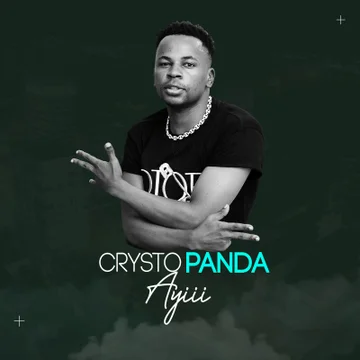
Ugandan musician and media personality Crysto Panda stepped off the stage and into the role of financial advisor recently, delivering a sobering reality check to young entertainers across the country. Speaking on BBS Terefayina, Panda warned that leaning entirely on music performances as a sole income source is a financially dangerous gamble, one that has already left too many promising artists struggling in silence.
The Hard Economics of the Ugandan Music Scene
The message was direct, and it cut through the usual glamour talk that surrounds discussions about a life in entertainment. “So every artist, find something on the side to do and stop waiting for the stage alone because in Uganda if you don’t have a hit, you get broke,” Panda said. Six words into that sentence and the point was already made. Without a song dominating the airwaves and playlists, stage bookings dry up fast, and with them, the income that most young artists depend on entirely.
This is not a uniquely Ugandan problem, but the pressures that come with it are sharply felt in a market where the live performance circuit is directly tied to chart relevance. An artist riding a viral hit can fill calendars for months. The same artist between projects? Often invisible to event organisers who have newer, hotter names to call. The cycle is brutal, and Crysto Panda knows it well enough to speak about it with authority.
Why Diversification Is No Longer Optional
Panda’s broader point touched on something that goes beyond music. He noted that the current economic environment places enormous financial demands on people, with multiple pressures competing for the same earnings. In that kind of climate, a single income stream, no matter how glamorous it looks from the outside, is simply not enough. Being hardworking, he argued, now means more than perfecting your craft. It means building income from multiple directions so that when one channel slows down, others keep you afloat.
This kind of thinking has long been standard advice in business circles, but it rarely gets spoken about plainly within creative industries, where the dream of making it big often overshadows the practical need to make it through the month. As Crysto Panda put it during his BBS appearance, artists who depend solely on performance income are left exposed whenever hit songs are not flowing, and that vulnerability has real consequences for their financial stability.
The Pressure That Nobody Talks About
There is a particular kind of financial strain that sits quietly inside the entertainment world, rarely acknowledged in interviews or social media posts, because the culture rewards the appearance of success. Young artists invest in music videos, studio sessions, promotional content, and stage outfits, often before they have built any consistent revenue. The expectation is that a hit will eventually pay for everything. Sometimes it does. Often, it does not come quickly enough.
Panda’s comments suggest that this financial pressure has contributed to real hardship among younger artists, people who entered the industry with talent and ambition but without a safety net. The advice to build income streams on the side is not a retreat from pursuing music seriously. It is, if anything, the most serious thing an artist can do to protect the longevity of their career.
What “Something on the Side” Actually Looks Like
For artists thinking practically about what income diversification could mean, the options are broader than many might assume. Brand partnerships and endorsements, MC and hosting work, music production for other artists, content creation across digital platforms, and even music lessons or workshops are all avenues that established entertainers around the world have used to build financial resilience. Some of Uganda’s most enduring music figures have quietly built businesses, invested in property, or cultivated media careers alongside their recording work.
None of these paths require abandoning the music. They require treating a music career the way any serious professional treats their livelihood: with strategy, not just passion.
A Wake-Up Call Dressed in Plain Clothes
What makes Crysto Panda’s comments land with weight is the lack of pretence in them. He did not dress the message up in motivational language or soften it for comfort. He told the truth about a system that rewards consistency but rarely accounts for the gaps between successful songs. In an industry where many voices celebrate the highs, one that honestly names the lows is rare and worth listening to.
For young creatives in Uganda and beyond, the takeaway is not that music is not worth pursuing. It is that pursuing it sustainably requires more than talent and timing. It requires a financial plan that does not collapse the moment the airplay fades.
So here is the question worth sitting with: if your primary income disappeared tomorrow, what would still be standing? For Uganda’s next wave of artists, that question might be the most important one they answer before they ever set foot on a stage.