








Tanzania woke to heartbreaking news on Monday, September 7, 2026, as Mzee Hafidh Ameir Hassan, the husband of President Samia Suluhu Hassan, passed away at 8:00 am at the Emilio Mzena Memorial Hospital in Zanzibar. He had been receiving treatment for heart disease. By the afternoon, the nation and its neighbors were united in mourning a man whose quiet dedication to his country and family had left an indelible mark far beyond the spotlight he rarely sought.
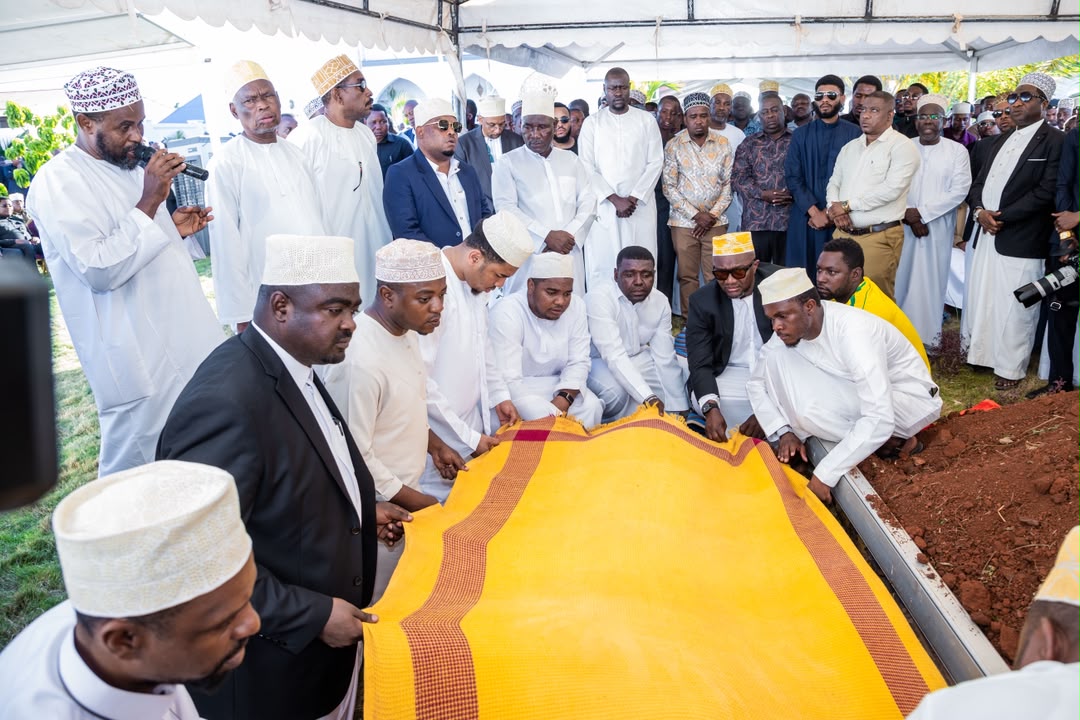
His burial was scheduled for 4:00 pm the same day, in Kizimkazi, in the South Unguja Region of Zanzibar. A private send-off for a profoundly private man, yet one that drew the attention and sorrow of an entire continent.

A Life Rooted in the Land
Mzee Ameir, as he was widely known, was remembered by colleagues and community elders not for political theater but for his genuine commitment to agriculture. In a part of the world where farming remains the backbone of livelihoods, his contributions to the sector earned him a reputation as a man who understood the earth and the people who worked it. Those who knew him describe a figure defined by humility and purpose, someone far more comfortable among farmers and fields than among the protocol-heavy corridors of state power.
That quality, perhaps, is what made him such a fitting partner to one of Africa’s most consequential leaders. President Samia Suluhu Hassan made history in 2021 when she became Tanzania’s first female president following the death of President John Magufuli. Since then, she has navigated a complex political landscape with a composure that many observers attribute, at least in part, to the stable personal foundation she built with Mzee Ameir over decades of marriage.
Regional Leaders Voice Their Sorrow
News of his death spread quickly across East Africa, prompting a wave of condolences from heads of state and public figures across the region. Kenyan President William Ruto was among the first to speak publicly, describing Mzee Ameir as President Hassan’s lifelong companion, a devoted father to their children, and a distinguished son of Tanzania. Ruto made clear that Kenya stands shoulder to shoulder with its neighbor during this period of grief, a gesture that underscores the close ties binding the two nations within the East African community.
According to reporting by NTV Uganda, the outpouring of sympathy from regional leaders reflected the deep respect that Mzee Ameir had earned not just as the president’s spouse, but as an individual whose life carried genuine weight in Tanzanian society.
The Weight of Loss at the Highest Level
There is something uniquely human about grief arriving at the doorstep of power. Presidents are often expected to carry national burdens with stoic resolve, to project strength even when circumstances would break most people. For President Samia, Monday brought a collision of the personal and the political in the most raw way possible. She lost her husband, her partner of many years, the person who shared her private life while she navigated a very public one.
Heads of state across the continent understand this duality in ways ordinary citizens perhaps cannot fully grasp. The messages of condolence pouring in from regional leaders are not merely diplomatic formalities. They are acknowledgments from peers who know what it means to carry a nation while carrying personal heartbreak at the same time.
Zanzibar Bids Farewell
The choice of Kizimkazi for Mzee Ameir’s burial is fitting. The town, located in the South Unguja Region, sits at the southern tip of Zanzibar Island, a place with deep historical and cultural roots. For a man described as grounded in tradition and community, being laid to rest in the soil of his homeland carries profound meaning. The island that shaped him would ultimately receive him in his final rest.
Zanzibar itself holds a special place in Tanzania’s national identity. It is the birthplace of President Samia, and it is the place where the couple’s story began. For the thousands of Tanzanians who have come to see President Samia not just as a political figure but as a symbol of possibility, the loss of her husband feels personal in a way that transcends politics.
Agriculture’s Quiet Champion
In the days ahead, more details about Mzee Ameir’s work and legacy in the agricultural sector will likely emerge. Elders who worked alongside him have already begun speaking about his influence, and there is every indication that tributes from farming communities across Tanzania will follow. Agriculture employs the majority of Tanzanians, and anyone who spent a career genuinely advancing that sector deserves recognition that outlasts the headlines of a single tragic morning.
His passing is a reminder that behind every leader there are people whose contributions are less visible but no less vital. Mzee Hafidh Ameir Hassan spent his life building things quietly, a family, a legacy in agriculture, and a partnership with a woman who would one day lead a nation. That is not a small life. That is, by any honest measure, a remarkable one.
As Tanzania prepares to bury one of its sons, the question worth sitting with is this: how often do we take the time to recognize the people whose quiet dedication holds up the ones we celebrate loudly?