






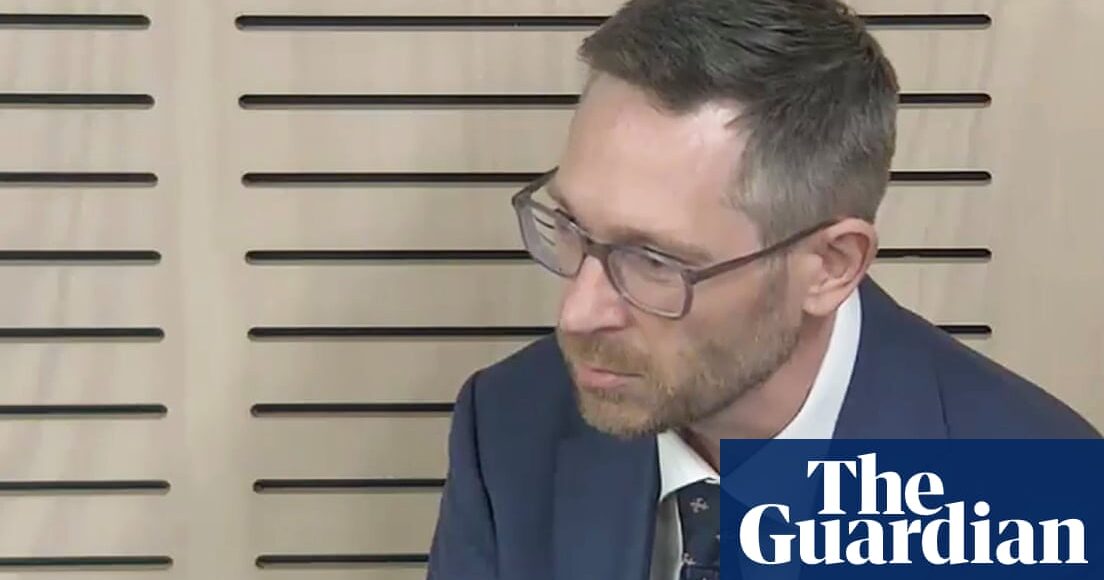
Sydney, August 28, 2026. After close to four years of circling the drain of one of New South Wales’ most complex corruption investigations, the Independent Commission Against Corruption has arrived at a pivotal moment: the public examination of Charles Perrottet, brother of a former NSW premier, over his alleged connections to $2 million in payments from fugitive property developer Jean Nassif.
The Long Road to the Hot Seat
This inquiry did not begin with Charles Perrottet. It started with something far more localised: the dismissal of the Hills Shire Council and a late-night 2022 speech delivered on the floor of the NSW parliament, in which allegations of secret payments from a developer were aired under the protection of parliamentary privilege. At the time, it felt like a political grenade thrown into a quiet room. Four years on, the blast radius has proven enormous.
What followed that midnight speech was a sprawling investigation that veered through boardrooms, building sites, and the corridors of government. The inquiry examined an alleged pressure campaign to force out the then NSW building commissioner, a figure whose role sat at the intersection of public safety and developer accountability. That thread, combined with the financial allegations, gave the commission a narrative that was as much about power as it was about money.
Who Is Jean Nassif, and Where Did He Go?
At the centre of the financial questions is Jean Nassif, a property developer whose name became synonymous with defective high-rise construction in NSW. Nassif is now a fugitive, which means the man whose money sits at the heart of the inquiry is not available to answer for it. That absence makes every other witness, including Charles Perrottet, all the more significant.
The $2 million figure is not a trivial sum, and the question ICAC has been pressing is a straightforward one with a potentially very complicated answer: what, if anything, was provided in return? According to reporting from The Guardian, Charles Perrottet is now being questioned directly about the nature of that arrangement, and whether any form of benefit or influence was exchanged alongside the cash.
Defective Buildings and Real People Paying the Price
It would be easy to reduce this entire saga to political theatre, a clash of powerful personalities playing out in a glass-walled hearing room. But the human cost is real and documented. Thousands of homebuyers across NSW have been left dealing with defective apartments in high-rise buildings that failed to meet basic construction standards. These are not abstract regulatory failures. They are cracked walls, water damage, structural concerns, and families who saved for years to buy a home that turned out to be unsafe.
The link between political interference with the building commissioner’s office and the proliferation of defective buildings is a core thread of the inquiry. If pressure was applied to weaken oversight, and if that pressure had any connection to developer money flowing to political figures or their associates, the consequences reach far beyond the individuals sitting before the commission.
Claims of a Political Hit Job
One of the more explosive dimensions of this inquiry involves allegations that efforts were made to remove the building commissioner from his post through a coordinated campaign. Critics of the process have labelled it a political hit job, an attempt to neutralise a regulator who was proving inconvenient for development interests. The commission has spent considerable time and resources trying to establish whether such a campaign existed, who directed it, and whether it intersected with the financial flows now under scrutiny.
Whether Charles Perrottet’s examination will resolve any of these questions definitively remains to be seen. Corruption inquiries are rarely tidy affairs. They produce findings, not verdicts, and those findings can take months to arrive after the public hearings conclude.
The Political Context Around the Perrottet Name
The Perrottet name carries significant weight in NSW political circles. The scrutiny on Charles Perrottet is naturally coloured by his family connections, even as the commission focuses strictly on the evidence before it. It is worth being precise here: ICAC examines conduct, not surnames. But the optics of a prominent political family being drawn into questions about developer money and alleged pressure on public officials are unavoidable, and they add a layer of intensity to proceedings that might otherwise be confined to legal and financial analysis.
Where the Inquiry Goes from Here
With the developer at the centre of the financial allegations beyond the reach of Australian authorities, the commission must build its picture of events from the testimony of those who remain available. Charles Perrottet’s examination is, by that logic, one of the most consequential stretches of the entire inquiry. His account of what happened, what he knew, and what any payments may have been tied to will form a significant part of whatever findings the commission eventually publishes.
For NSW residents watching this process unfold, the stakes are both civic and deeply personal. An effective, independent building regulator is not a bureaucratic luxury. It is the mechanism that keeps people safe in their homes. If that mechanism was compromised, understanding exactly how and why matters enormously for any attempt to rebuild trust in the system.
The inquiry has taken nearly four years to reach this point. Whatever Charles Perrottet says in that hearing room over the coming days, the question that will define this entire investigation is the same one it has always been: when public power and private money meet, who exactly is served?