









On the morning of August 11, 2026, the Ukrainian city of Zaporizhzhia was once again the scene of destruction. Russian strikes overnight killed at least six civilians and left twenty more wounded, according to Ukrainian officials. What made this particular attack stand out was not just its deadly toll but the claim that followed from President Volodymyr Zelenskyy: the missiles used, he alleged, were supplied by North Korea.
A City That Has Seen Too Much
Zaporizhzhia sits in southeastern Ukraine and has spent much of this war living under the shadow of both Russian bombardment and the ever-present anxiety surrounding the nearby Zaporizhzhia Nuclear Power Plant, the largest in Europe. The city has repeatedly absorbed punishing strikes, its residents cycling through cycles of rebuilding and loss with a weariness that the outside world can barely imagine.
The overnight attack added fresh names to a grim and growing list. Six people dead. Twenty injured. These are not statistics. They are fathers, mothers, neighbors, shop owners. Each number represents a life severed or shattered in the hours when a city was supposed to be sleeping.
Zelenskyy’s Accusation: Pyongyang in the Picture
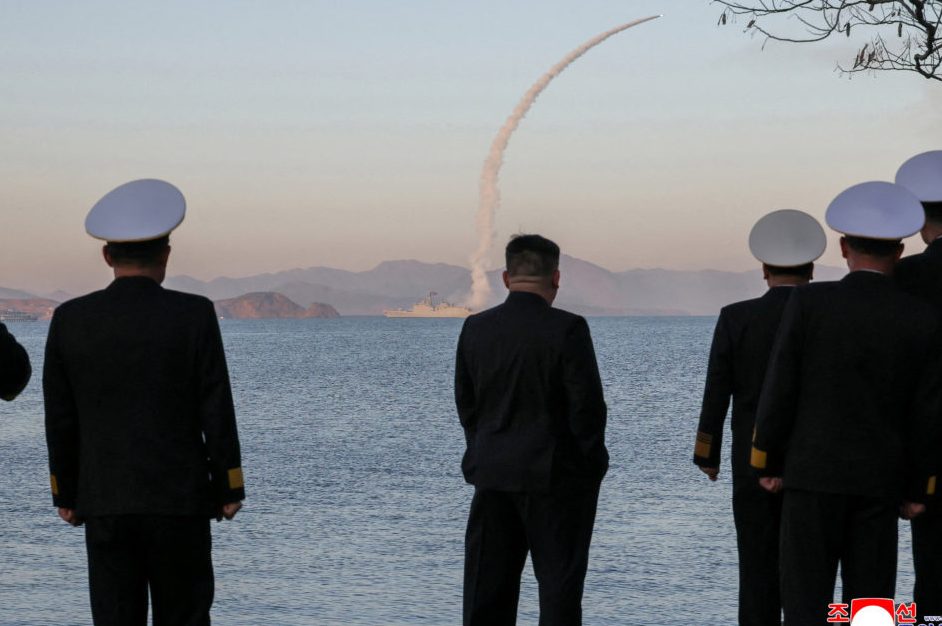
Ukrainian President Zelenskyy’s claim that North Korean-supplied missiles were used in the Zaporizhzhia strikes is significant for several reasons. If accurate, it confirms a deeper, more operational military partnership between Moscow and Pyongyang than previously acknowledged by Western intelligence. It is one thing for North Korea to supply artillery shells or infantry equipment. It is another level entirely for ballistic missiles to be finding their way into Ukrainian skies.
Zelenskyy has made similar allegations before, and Western governments have grown increasingly willing to corroborate Ukraine’s battlefield intelligence on this front. Live updates from The Guardian tracked the overnight developments as they unfolded, capturing the grim pace of a conflict that has long since blurred the line between regional war and a broader global security crisis.
North Korea, for its part, has consistently denied transferring weapons to Russia in breach of United Nations resolutions. That denial carries less and less weight as specific battlefield evidence continues to mount.
What This Means for the Wider War
The involvement of North Korean hardware, if confirmed, reshapes the diplomatic calculus in ways that matter. It means the war in Ukraine is no longer simply a story about Russia and its immediate neighbors. It is a story about how authoritarian states are quietly building a mutual support network, testing Western resolve one shipment at a time.
South Korea and Japan have both watched this dynamic with deep concern. Any North Korean missile technology refined and battle-tested in Ukrainian skies could eventually be turned toward targets much closer to Seoul or Tokyo. That is the uncomfortable logic of proxy arms transfers: the laboratory for tomorrow’s threats is always someone else’s tragedy today.
For European capitals, the message landing on desks this morning is blunt. The continent’s security is not separate from what happens in Zaporizhzhia. It is directly tied to it.
Spain’s Border Moment: A Separate Pressure Point
While Ukraine commanded the largest share of European attention on August 11, another quieter but loaded diplomatic story was playing out further west. Spanish Foreign Minister José Manuel Albares made a visit to Ceuta, the Spanish enclave on the northern tip of Africa, where the border with Morocco has historically been a flashpoint for migration crises and geopolitical tension.
Albares acknowledged that the arrangements governing Ceuta represent, in his own words, the most unique and complex border situation Spain manages anywhere. Yet he was firm in his assurance that Madrid has the situation under control and that direct dialogue with Moroccan authorities is ongoing to prevent a repeat of past crises that saw thousands of migrants attempt to cross in chaotic surges.
The visit was a signal as much as a statement. With European politics increasingly shaped by migration anxiety, showing up in person at a sensitive border sends a message both domestically and to Rabat: Spain is engaged, watching, and not willing to be caught flat-footed again.
Two Stories, One Continent Under Pressure
It would be easy to read these two developments, Zaporizhzhia and Ceuta, as entirely separate news items. They are not. Both reflect a Europe that is managing multiple stress fractures at once: a hot war on its eastern edge, irregular migration pressures from the south, and the slow erosion of the kind of predictable, rules-based international order that the post-Cold War generation took entirely for granted.
The missiles falling on Zaporizhzhia and the diplomatic footwork happening in Ceuta are different symptoms of the same underlying condition. Borders, whether physical or political, are being tested with a relentlessness that demands sustained, serious attention from governments that would sometimes prefer to focus elsewhere.
For the civilians in Zaporizhzhia counting their dead this morning, philosophical frameworks offer cold comfort. What they need, urgently, is for the international community to match the severity of its rhetoric with the weight of its actions.
As the war in Ukraine enters yet another brutal chapter and European diplomacy scrambles across multiple fronts, the question worth sitting with is this: at what point does the world stop treating each new strike as an isolated tragedy and start treating the entire pattern as the emergency it actually is?