



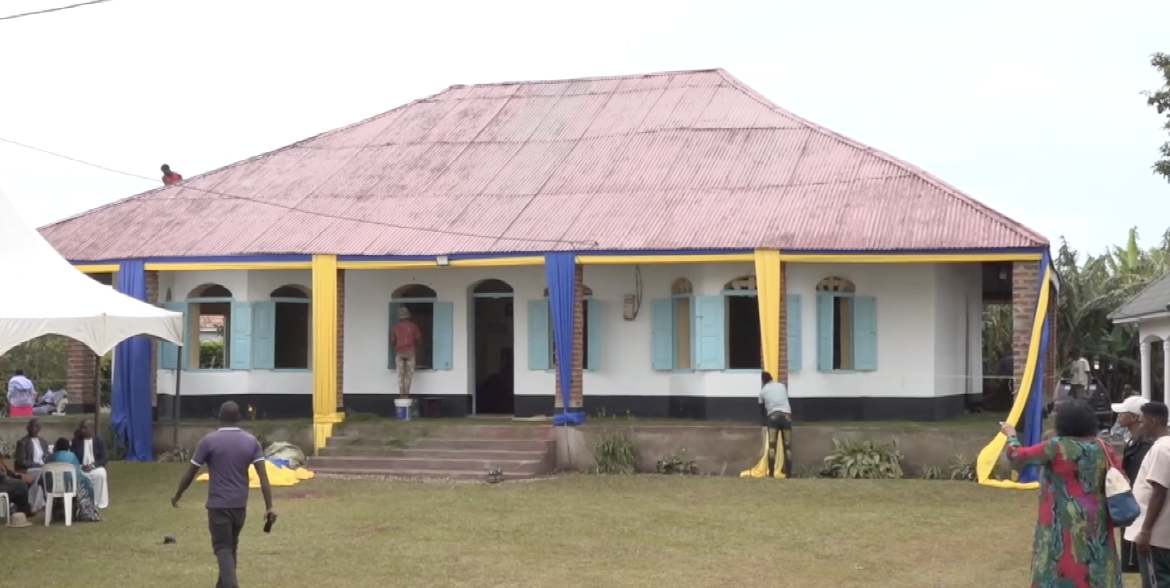
There are ceremonies, and then there are ceremonies. The kind that stop for nothing, that breathe on their own schedule, that carry the full weight of a people’s identity in every carefully rehearsed gesture. The coronation rituals of the Tooro Kingdom’s royal installation fall firmly into the second category. According to the kingdom’s cultural custodians, these rituals run for exactly 24 hours without interruption, beginning at midnight and concluding at the stroke of midnight the following night. No breaks. No pauses. No room for improvisation.
A Kingdom That Takes Its Traditions Seriously
The Tooro Kingdom, located in western Uganda, is one of the country’s most historically significant monarchies. Its traditions stretch back centuries, and the people who guard those traditions take that responsibility with complete seriousness. The installation of the Omukama, the kingdom’s king, is not simply a public event or a political spectacle. It is a sacred process, governed by protocols that have been refined over generations and are not subject to the whims of modern scheduling.
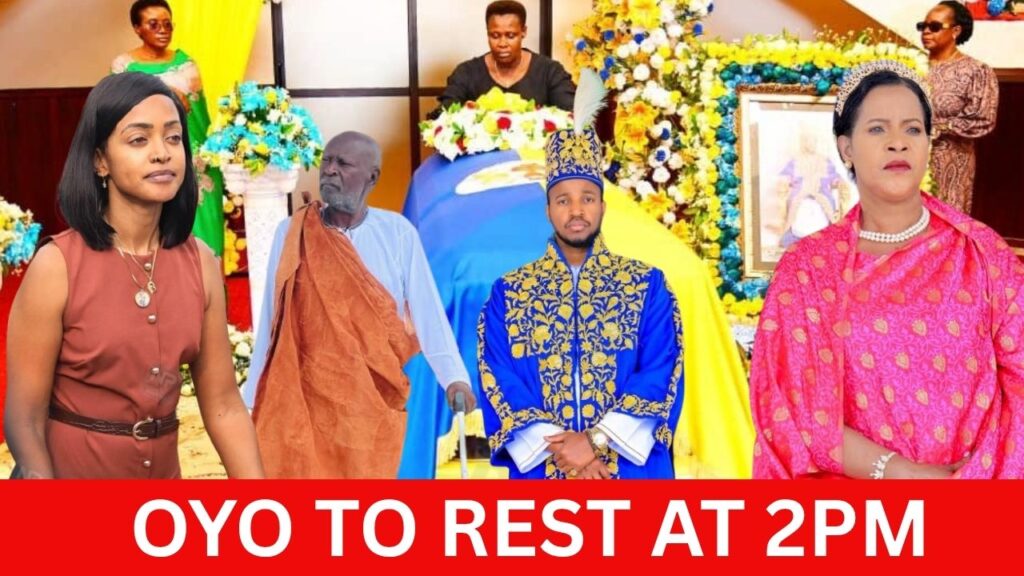
What makes the Tooro coronation particularly striking is the sheer discipline it demands. While royal ceremonies across Africa and the world tend to be grand public affairs with considerable flexibility built in, the Tooro installation operates on a rigid, uncompromising timeline. The rituals begin at 6:00 in the evening and run through to 6:00 the following evening, covering every hour of that period with structured, purposeful activity.
What 24 Hours of Unbroken Ritual Actually Means
Think about what it means to sustain any coordinated human activity for a full day without stopping. Athletes collapse after a few hours of peak performance. Politicians lose their train of thought after a long press conference. But the custodians of Tooro’s royal traditions hold the line, hour after hour, through the night and into the following day, maintaining the integrity of a process that cannot simply be rewound and restarted if something goes wrong.
This kind of endurance is not accidental. It speaks to years of preparation, a deep internalization of protocol, and a collective commitment among those involved that the ceremony will be done correctly, or it will not be done at all. The custodians described in reporting by NTV Uganda make clear that these are not flexible guidelines. They are firm requirements, rooted in cultural law that predates any written constitution Uganda has ever had.
The Role of the Cultural Custodians
Behind any functioning cultural institution are the people who keep it alive when no cameras are rolling. In the Tooro Kingdom, those individuals are the custodians of royal tradition, the men and women who know the sequence of the rituals, the meaning behind each step, and the consequences of deviation. Their knowledge is not stored in a PDF or a government archive. It lives in memory, passed down through practice and proximity to the royal house.
Patrick Ssenyondo, who has covered the story with additional detail, brings important context to how these traditions are communicated and understood beyond the inner circle of the kingdom. The very fact that journalists are working to explain these rituals to a broader audience suggests a growing public interest in Uganda’s monarchical heritage, and a recognition that these traditions deserve more than a passing mention in a news bulletin.
Why This Matters Beyond the Kingdom’s Borders
Uganda has multiple kingdoms, each with its own distinct customs, languages, and royal protocols. The Buganda Kingdom is perhaps the most internationally recognized, but Tooro, Bunyoro, Ankole, and others each carry a cultural depth that is irreplaceable. When one kingdom takes such deliberate steps to preserve and properly execute its coronation rituals, it sends a signal to the others and to younger generations across the country that this heritage has value worth protecting.
There is also a broader African context here. Across the continent, traditional institutions have spent decades navigating the tension between colonial-era dismissal of indigenous governance structures and postcolonial efforts to reclaim cultural authority. The Tooro Kingdom’s insistence on performing its installation rites without cutting corners is, in its own way, a statement about sovereignty, about who gets to define what is legitimate, what is sacred, and what deserves to endure.
Preservation in a World That Moves Fast
It is worth pausing on the irony of a 24-hour, uninterrupted ritual in an age when most people struggle to stay focused for 24 minutes. Social media has compressed human attention into fragments. News cycles reset before the previous story has been fully absorbed. Against that backdrop, a kingdom that insists its coronation cannot be fast-tracked, summarized, or streamed in highlights is making a quiet but powerful argument for depth over speed.
The elders and custodians who oversee this process understand something that the digital world sometimes forgets: certain things only work when done completely. A ceremony that is cut short is not just an incomplete ceremony. It is a different ceremony entirely, one that carries a different meaning, or perhaps no meaning at all.
Keeping the Flame Burning
Uganda’s cultural heritage is genuinely rich, and the Tooro Kingdom’s approach to royal installation is one of its most vivid expressions. The 24-hour structure, the strict adherence to sequence, the involvement of trained custodians, and the clear expectation that modern convenience will not override ancient protocol all point to an institution that has thought carefully about what it wants to be in the 21st century.
For Ugandans watching from outside the kingdom, and for the African diaspora following these stories from abroad, there is something deeply affirming about seeing a traditional institution hold its ground. Not out of stubbornness, but out of a clear-eyed understanding that some things, once lost, cannot be recovered.
The Tooro coronation is not just a ceremony. It is an argument, made in ritual form, that identity is worth the effort it takes to maintain it.
So here is the question worth sitting with: in a country and a continent racing toward modernization, who is responsible for making sure these traditions survive the next generation, and the one after that? Is it the kingdom alone, or does the responsibility belong to all of us?