




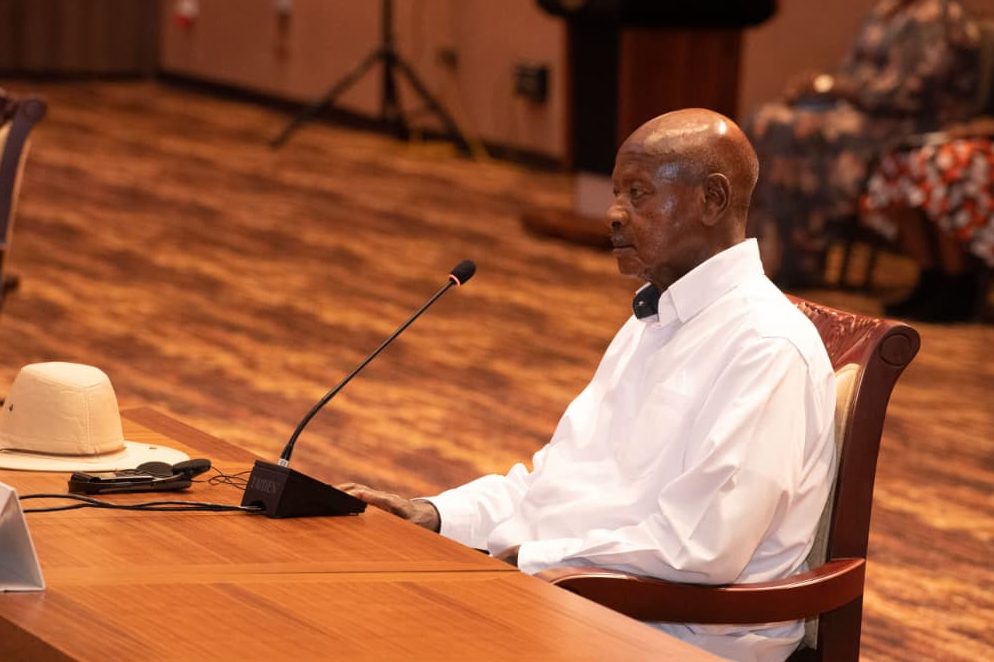




Three of Uganda’s long-pending minister-designates are set to be officially sworn into office at State House Entebbe on Tuesday, with President Yoweri Museveni expected to preside over a ceremony that draws the curtain on one of the more drawn-out Cabinet confirmation processes the country has seen in recent years.
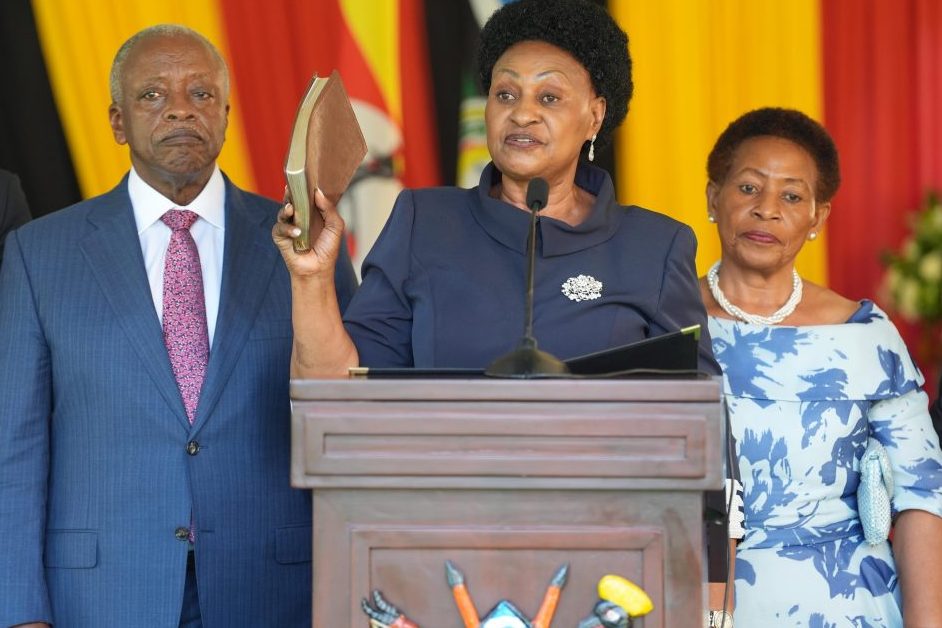
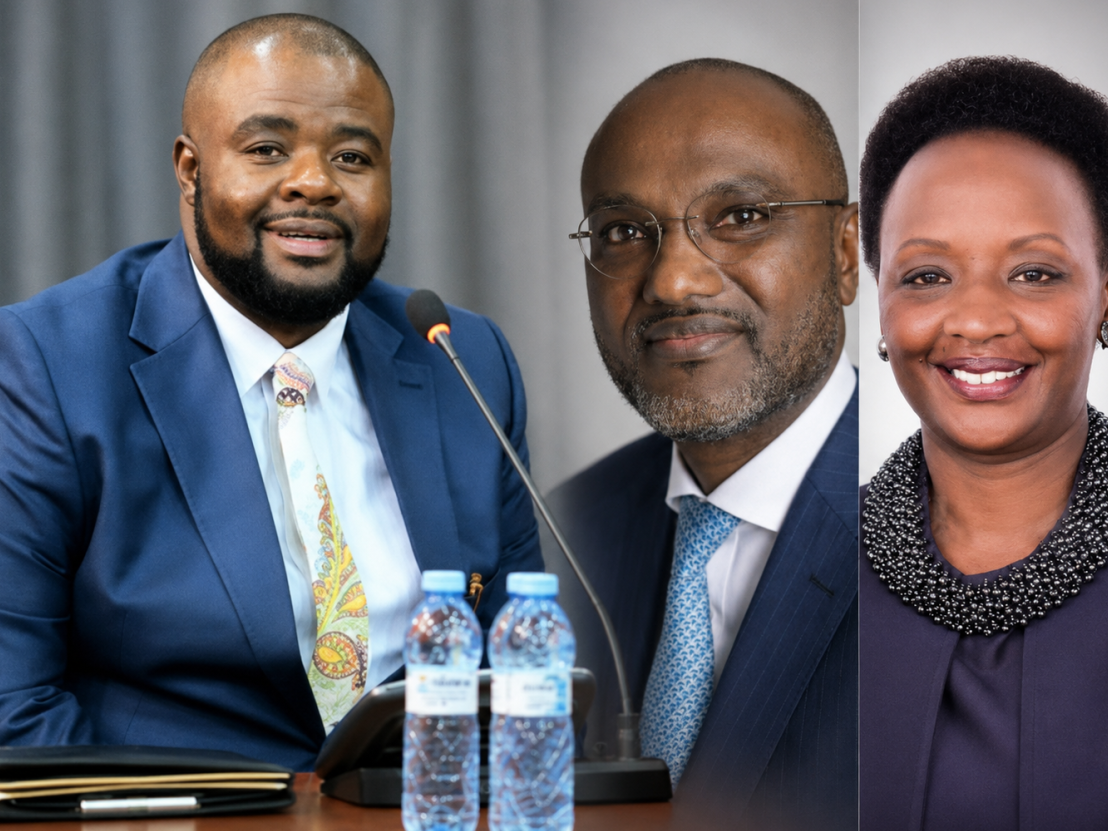
Foreign Affairs Minister-designate Adonia Ayebare, State Minister-designate for Microfinance Sharsti Kutesa Musherure, and State Minister-designate for Internal Affairs Juma Witonze Kisekka will each formally assume their portfolios once they take the oath of office, according to reporting by Chimpreports.
Why It Took This Long
The delay was not procedural dragging of feet. It was constitutional. Both Ayebare and Musherure held U.S. citizenship, and Uganda’s laws create real complications when a person in high office carries allegiance to a foreign state. Parliament’s Appointments Committee cleared their nominations but was firm on one condition: the renunciation of their American citizenship had to be completed before they could be inaugurated.
Museveni, clearly mindful of the legal exposure that would come with swearing in officials whose citizenship status remained unresolved, held back their inauguration even as the rest of the Cabinet was formally constituted. It was a cautious but legally sound call. Once the renunciation processes were completed, the path to Tuesday’s ceremony was cleared.
Witonze’s route to office took a different turn altogether. He was not part of the original Cabinet lineup. Museveni nominated him as State Minister for Internal Affairs only after Parliament’s Appointments Committee rejected Dr. Lawrence Muganga for the same role. Muganga’s candidature ran into trouble over citizenship concerns of his own and his inability to produce evidence that he had initiated any formal renunciation when he appeared before the committee for vetting. With Muganga out, Witonze came in, was vetted, and passed. His swearing-in on Tuesday is the final step in that substitution process.
What Ayebare Walks Into
Of the three, Ayebare steps into arguably the most pressure-filled brief. The Foreign Affairs Ministry is not a quiet corner of government at the best of times, but Uganda’s current diplomatic landscape makes it even more demanding.
One of the most immediate issues on his desk will be the travel advisories that Western governments, including the United States and several European nations, have issued against Uganda. These advisories, which cite a combination of security and health concerns, have had a real and measurable effect on the country’s tourism numbers. The health concerns are partly tied to disease outbreaks in the neighbouring Democratic Republic of Congo, a country with which Uganda shares a long and porous border.
Kampala’s frustration with these advisories runs deep. The government has long argued that sweeping travel warnings paint the entire country with the same brush, even when the risks being flagged are either outside Uganda’s borders or confined to specific zones far from tourist destinations. It is a legitimate grievance, but making that argument stick in foreign capitals requires exactly the kind of sustained diplomatic engagement that Ayebare will now need to lead.
Tourism in the Crossfire
Uganda’s tourism industry, built on the country’s genuine natural assets including mountain gorillas, the source of the Nile, and rich savannah parks, has been vulnerable to the reputational damage that broad travel warnings inflict. Tourists planning trips to East Africa do not always distinguish between a specific risk in eastern DRC and the situation in, say, Bwindi Impenetrable Forest. Ayebare’s ability to reframe that narrative and open channels of direct communication with the relevant foreign ministries will matter enormously for an industry that employs thousands of Ugandans.
A Cabinet That Took Shape Slowly
The process that led to Tuesday’s ceremony reflects something worth noting about how Uganda handles the intersection of political appointments and constitutional compliance. The Appointments Committee’s insistence on completed renunciation before swearing-in was not grandstanding. It was the committee doing its job, and Museveni respecting the outcome rather than steamrolling it.
That said, the length of the process, with some ministers serving in acting capacities while their colleagues waited out citizenship paperwork in Kampala and presumably in Washington D.C., is a reminder that cleaner pre-nomination vetting could spare everyone the delays. Identifying dual citizenship issues before announcing names publicly would avoid the optics of a Cabinet that appears to stall at the finish line.
Witonze’s case adds another layer. The rejection of Muganda and the subsequent nomination and vetting of a replacement meant the Internal Affairs ministry went without a confirmed state minister for a prolonged stretch. Government machinery does not grind to a halt in such situations, but continuity and settled leadership matter for morale within ministries and for the public’s confidence in the administration.
Eyes on State House Tuesday
When Museveni administers the oath to all three on Tuesday, it will mark a genuine moment of closure for a Cabinet formation process that attracted more attention for its complications than its speed. Ayebare, Musherure, and Witonze will each inherit ministries with full in-trays.
For Musherure, the microfinance brief places her at the intersection of financial inclusion and grassroots economic policy, areas where Uganda has made gains but where much of the work remains unfinished. For Witonze, Internal Affairs is never a low-key portfolio in any country, let alone one navigating the security pressures Uganda regularly faces.
The ceremony at Entebbe will be swift. The work that follows will be anything but.
As Uganda’s diplomatic and economic challenges stack up heading into the second half of 2026, the real question is whether these three officials, now freed from the legal limbo that held them back, can move fast enough to make up for lost time. What do you think Uganda should prioritise in its diplomatic outreach to Western governments? Share your thoughts below.