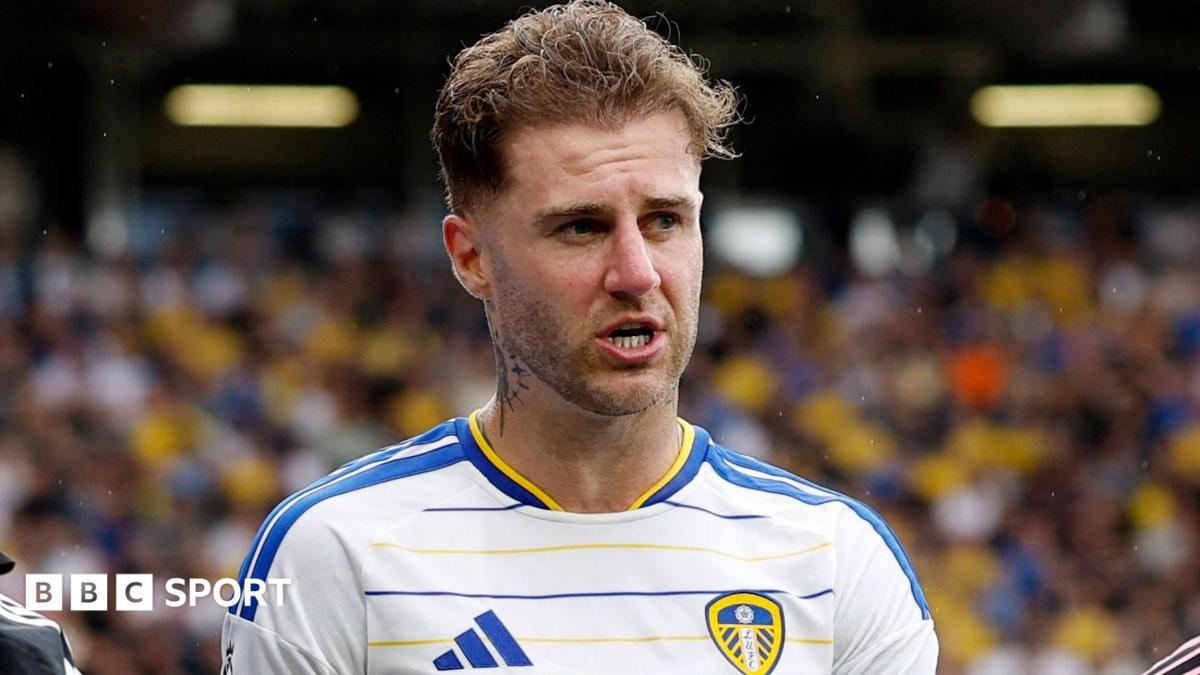
Leeds United have confirmed what many feared after their centre-back Joe Rodon hobbled off during the 1-1 Premier League draw with Brentford last Sunday: the Welsh international has sustained a serious hamstring injury that will keep him sidelined for between eight and ten weeks. Manager Daniel Farke broke the news publicly, and his words carried the weight of a man recalculating everything he had planned for this season.
The Moment Everything Changed
Rodon made it just 34 minutes against Brentford before his afternoon ended abruptly. Nico Elvedi came on as his replacement, and from that moment, the shape of Leeds’ defensive picture shifted considerably. It was only the second league game of the campaign. Rodon had started both the season-opening Premier League win at Nottingham Forest and a Carabao Cup victory over the same opposition, looking sharp and settled. Then came the injury that has now rewritten the club’s short-term plans entirely.
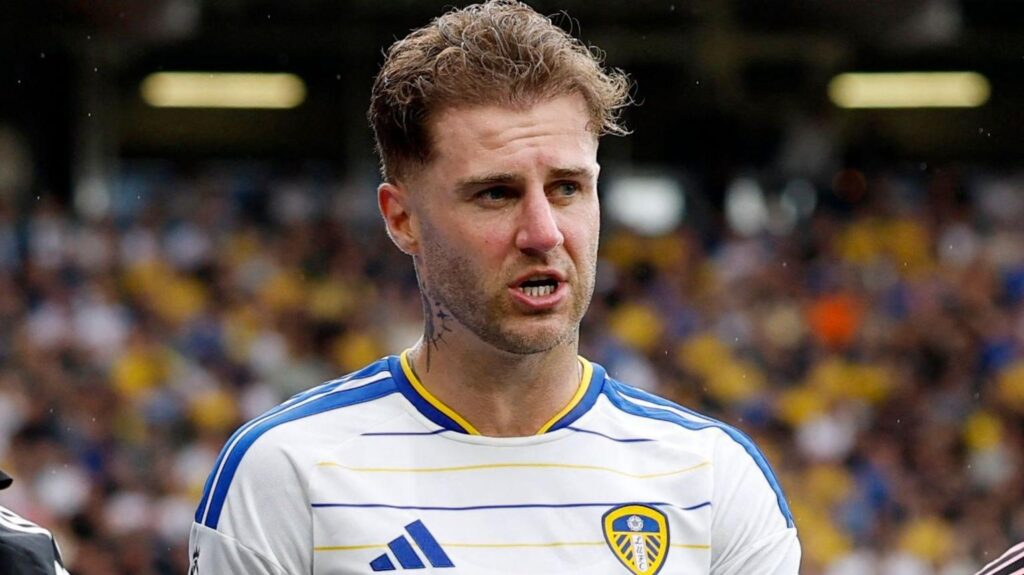
Farke was characteristically direct when addressing the press. According to the BBC, he described the injury as a “serious hamstring” problem, confirming the eight-to-ten-week timeline and ruling Rodon out well beyond the next international break. “A big blow for us because he’s a key player,” Farke admitted, and nobody at Elland Road would argue with that assessment.
A Defensive Reshuffle Nobody Wanted
The immediate problem Farke faces is not just losing one quality centre-back but trying to patch together a back line without pulling apart other areas of the squad. His solution, at least in the short term, involves James Justin. Justin, a versatile operator who has been covering at left-back, could now find himself shifted into a central defensive role, which tells you everything about the depth constraints Leeds are navigating right now.
The context makes it even more uncomfortable. Gabriel Gudmundsson, the Sweden international who plays on the left flank, picked up a hamstring injury during pre-season, which is part of why Justin has been filling in at left-back in the first place. Leeds responded to that problem by signing French defender Melvin Bard on deadline day to strengthen their left-back options. Now, with Rodon also down, the club is having to solve two puzzles simultaneously with limited pieces.
January as a Safety Net
Farke acknowledged that the winter transfer window is now very much in the conversation. “We have the January window to react if necessary,” he said, which is a pragmatic acknowledgment that what Leeds have available right now may not be sufficient for a full Premier League campaign. The immediate focus is on trying to keep things together through the autumn, but having a contingency plan in place matters when you are operating with this level of defensive fragility.
Leeds travel to Brighton on Saturday for a 15:00 BST kick-off, and that match already looks like a serious examination of how well Farke can reorganise in Rodon’s absence. Brighton are no soft touch, particularly at home, and arriving with a reshuffled centre-back pairing and a question mark over the left flank is far from ideal preparation.
Wales Feel the Ripple Effect Too
The injury does not just hurt Leeds. Wales will also feel the absence of their 28-year-old centre-back. The national side has two UEFA Nations League matches coming up in the next international break, an away fixture against Portugal on September 24 followed by a trip to Denmark on September 27. Both are Group 4 games in what is already a demanding schedule, and losing a key defensive figure for those contests makes the task considerably harder for the Welsh camp.
Rodon had become one of the more reliable presences in the Leeds defence since joining the club, and his combination of composure and aerial ability made him a natural choice to anchor the back line. Replacing that profile is not straightforward, whether you are Daniel Farke working week to week or a national team manager preparing for competitive European football.
The Bigger Picture at Elland Road
Leeds returning to the Premier League carries enormous expectation. The club and its supporters know what is at stake, and a start like this, with key players already picking up significant injuries, tests patience and planning in equal measure. Farke’s candour about needing “a bit of luck” reflects a realistic understanding that football at this level offers very little margin for error, especially when your defensive unit starts unravelling before September is out.
How Leeds manage this period without Rodon will say a great deal about both the squad’s depth and Farke’s ability to adapt. The manager built a promotion-winning side through organisation and resilience. Those qualities will need to show up again very quickly.
With Rodon watching from the treatment room for the better part of the next two months, and fixtures against the likes of Brighton coming thick and fast, the question is simple enough: does Leeds’ squad have enough defensive cover to stay competitive until the January window gives them a chance to reinforce?