







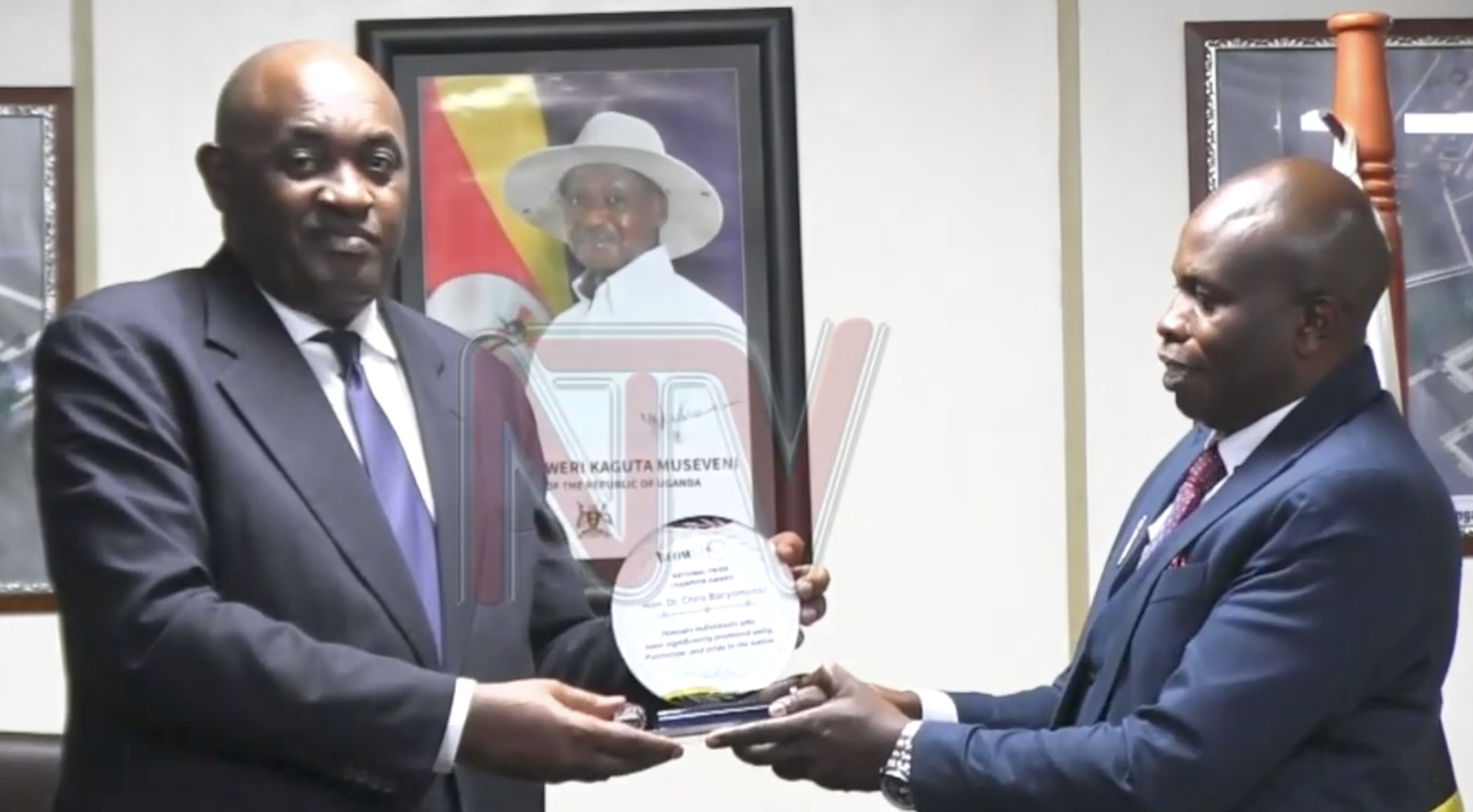
Uganda’s Health Minister, Dr. Chris Baryomunsi, has been awarded the Medal of National Pride Champion by the Global Election Observer Organisation, a recognition that traces back to his work as Minister of Information Technology and National Guidance during the country’s election period. The award, announced this week, puts a spotlight not just on one official’s career, but on the broader question of what principled public service actually looks like when the stakes are highest.
Recognition That Crosses Ministerial Lines
There is something quietly significant about receiving an international accolade in one ministry while serving in another. Baryomunsi currently heads Uganda’s Health Ministry, yet the honour he received speaks directly to his conduct in a previous role, overseeing information technology and national guidance during an election cycle, one of the most politically charged moments any government official can navigate.
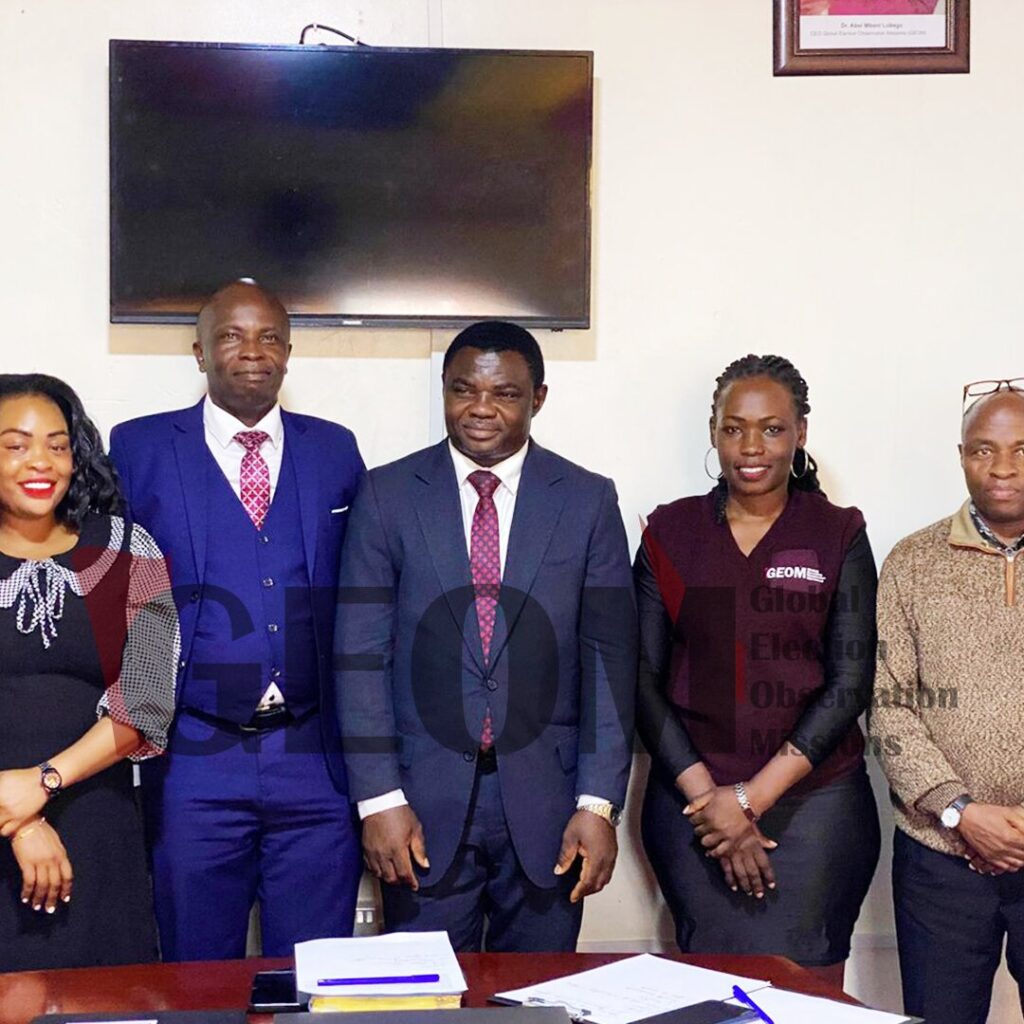
The Global Election Observer Organisation awarded him the medal specifically for his contribution to communication during that election period. Election seasons have a way of testing officials in real time, under public scrutiny and intense pressure. The fact that an international observer body chose to spotlight his communication role suggests his approach cut through the noise and held up to external examination.
You can read the original report on this story via NTV Uganda.
What Baryomunsi Said, And Why It Matters
Rather than pocket the award and move on, Baryomunsi used the moment to redirect attention toward the broader public service machinery. He called on government officials and civil servants to bring genuine commitment, integrity, and honesty to their work, stressing that the interests of Ugandans must always come before personal or institutional convenience.
That kind of messaging, coming at an award ceremony of all places, is worth pausing on. Award speeches tend to be self-congratulatory by nature. Choosing instead to use the platform as a call to action for fellow public servants signals a certain understanding of what recognition is actually for. It is not a finish line. It is fuel.
He also made a direct promise regarding his current portfolio, pledging to give his best effort in tackling the persistent challenges facing Uganda’s health sector. His argument was straightforward: moments of recognition like this one should motivate public servants across the board to raise the standard of service delivery, not just for the individual being honoured, but for the system as a whole.
The Health Sector as the New Frontier
Uganda’s health system carries well-documented pressures, from underfunded rural facilities to workforce shortages and supply chain gaps that affect medicine availability across the country. For a minister to publicly acknowledge these challenges rather than paper over them with award-ceremony optimism is, in itself, a form of accountability.
Baryomunsi’s pledge to tackle health sector challenges gains additional weight when viewed against his record in communication. Effective messaging during an election period requires managing competing narratives, maintaining public trust, and operating transparently under observation. Those same instincts, if applied within the health ministry, could prove genuinely useful in rebuilding public confidence in Uganda’s healthcare institutions.
International Eyes on Domestic Governance
The Global Election Observer Organisation’s decision to issue this medal carries its own layer of meaning. International observer bodies typically focus their attention on processes, systems, and institutional behaviour rather than singling out individual officials for praise. When they do recognise a specific person, it usually reflects something that stood out, a consistent standard, a particular decision, or a visible dedication to transparent communication.
For Uganda, the award also offers a small but real moment of positive international visibility in the governance space. It is easy to note the country only when controversies surface. An accolade like this one, issued by an external body with no domestic political stake, cuts against that pattern.
The Bigger Conversation About Service Delivery
Baryomunsi’s words about integrity and honesty in public service land at a time when citizens across Africa are demanding far more than speeches from their elected and appointed officials. Trust in government institutions has to be earned repeatedly, not assumed, and awards can only mean something if they reflect a sustained pattern of behaviour rather than a single impressive moment.
The minister’s insistence that this recognition should serve as motivation for wider improvement within the public service suggests he is thinking beyond his own career arc. Whether that sentiment translates into measurable changes within Uganda’s health sector is the real test that lies ahead.
Honours are given in a single moment. Legacies are built over years of consistent, unglamorous work. The medal is a starting line as much as it is a milestone.
As Uganda’s health system faces ongoing pressure and its citizens watch closely to see how their leaders perform, a key question hangs in the air: when international recognition meets daily governance responsibility, does it actually change how an official shows up for the people who need them most?