
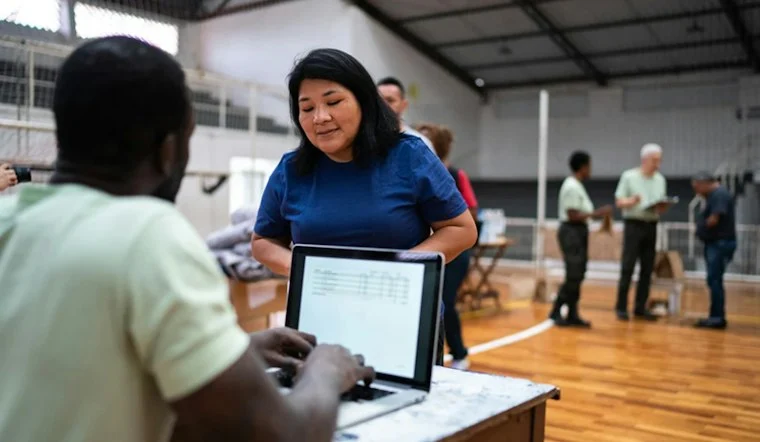



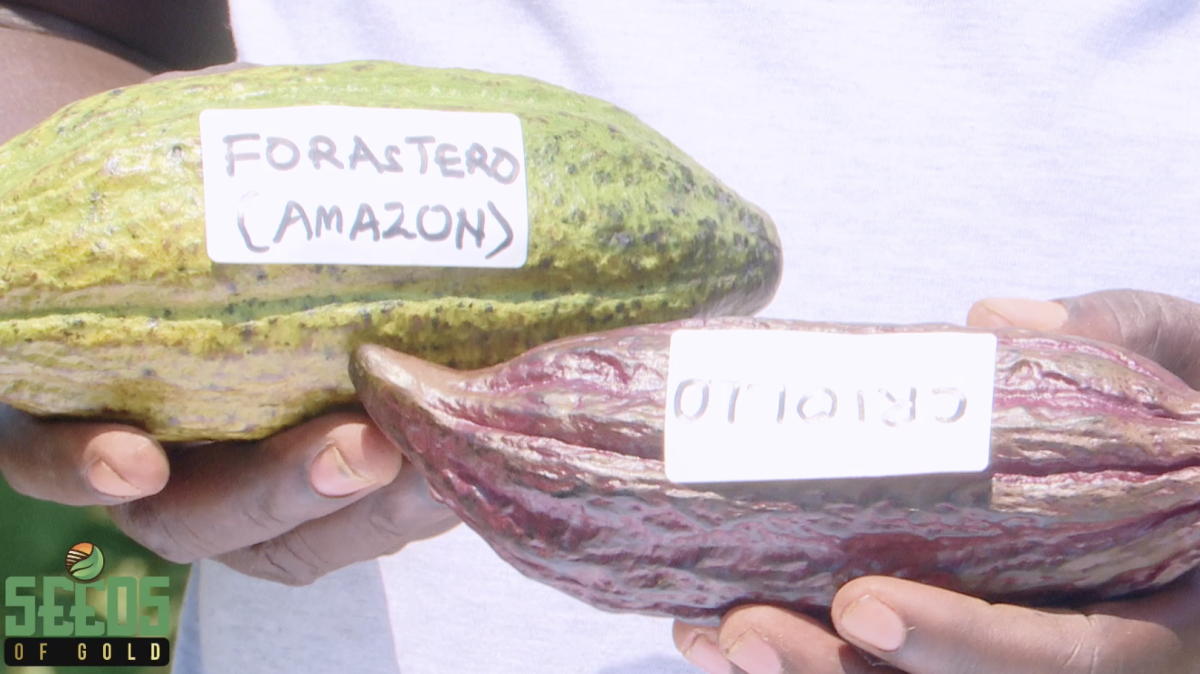
At the Ngetta Zonal Agricultural Research and Development Institute in Lira, northern Uganda, something rare unfolded: farmers who work the land every day sat alongside researchers who study it and bankers who finance it. The occasion was the Seeds of Gold Farm Clinic, a gathering broadcast by NTV Uganda that aimed to bridge the persistent gap between agricultural knowledge and practical, on-the-ground farming reality.
Why Lira, and Why Now
Lira sits at the heart of Uganda’s northern agricultural belt, a region with rich soil, reliable rainfall seasons, and a farming population that has historically been underserved when it comes to technical guidance and financial access. The choice of Ngetta ZARDI as the venue was deliberate. The institute has long operated as a centre for crop research and agricultural development in the region, and its credibility with local farming communities made it an ideal setting for a frank, practical exchange of ideas.
The clinic format itself is worth understanding. Rather than a top-down lecture or a government seminar, a farm clinic brings problems to the table and works through them collectively. Farmers arrive with real questions about soil health, pest management, post-harvest losses, and yes, money. The sessions at Ngetta produced exactly that kind of gritty, useful conversation.
Better Farming Starts With Better Information
One of the core themes that ran through the clinic was the relationship between information and output. Uganda’s smallholder farmers, who produce the bulk of the country’s food, often rely on inherited techniques that may have worked a generation ago but struggle to keep pace with changing weather patterns, soil degradation, and rising input costs.
Researchers at Ngetta ZARDI brought improved farming practices to the discussion, covering everything from soil preparation and seed selection to crop rotation and irrigation management. The emphasis was not on expensive, inaccessible solutions but on techniques that a farmer with modest resources could actually apply after going home that evening.
Improved seed varieties, for instance, have been one of the most consistent game-changers in Ugandan agriculture, yet adoption rates remain lower than they should be because many farmers simply do not know what is available, where to get it, or whether it is suited to their specific locality. The clinic addressed exactly these kinds of knowledge gaps.
Farm Management as a Business Discipline
Perhaps the most striking shift in tone at Ngetta was the framing of agriculture as a business rather than a subsistence activity. This distinction matters enormously. A farmer who thinks of their land as a livelihood to be managed, with records, plans, and targets, behaves very differently from one who plants and hopes for the best.
Farm management practices covered at the clinic included record-keeping, planning crop calendars around market demand rather than just seasons, and understanding input costs versus expected returns. These are not complicated ideas, but they are transformative ones when properly understood and applied at scale across a farming community.
The NTV Seeds of Gold Farm Clinic at Ngetta ZARDI treated farmers as business owners in waiting, which is precisely the kind of respect and practical framing that encourages real behavioural change.
The Finance Gap: Where Many Farmers Hit a Wall
Access to financing has been one of the most stubborn barriers to agricultural growth in Uganda for decades. Farmers need capital to buy better inputs, maintain equipment, hire labour during peak seasons, and build storage facilities that reduce post-harvest losses. But formal financial institutions have historically viewed smallholder farmers as high-risk, low-return clients not worth the administrative burden.
The clinic tackled this directly by bringing financial institutions into the same room as the farmers. That physical presence matters. It is one thing for a bank to have an agricultural loan product on paper and quite another for a loan officer to sit with a farmer, understand the cash flow cycle of growing cassava or sorghum, and explain in plain language what documentation is actually needed to qualify for credit.
This kind of direct interface between financial services and farming communities is rare, and the clinic model offers a replicable blueprint. When farmers understand what banks need and banks understand what farmers actually do, the friction of the lending process drops considerably.
Research Meeting Reality
Ngetta ZARDI’s value as a host goes beyond its physical infrastructure. The institute represents decades of applied agricultural research specific to Uganda’s northern climate and crop systems. Its researchers understand which maize varieties perform best in Lira’s soil, which pest pressures peak in which months, and which post-harvest interventions save the most grain.
Connecting that institutional knowledge directly to farmers at a clinic, rather than leaving it in published reports that most smallholders will never read, is a genuinely effective model. Research that stays in journals does not feed families. Research that gets explained, demonstrated, and questioned in a community setting has a fighting chance of changing how land is actually worked.
A Model Worth Scaling
The Seeds of Gold Farm Clinic at Ngetta is not the first of its kind in Uganda, and it should not be the last. The country has more than 30 zonal agricultural research and development institutes, each embedded in a different agro-ecological zone with its own crop priorities, climate realities, and farming communities.
If the Ngetta model, bringing together researchers, farmers, and financial institutions for structured, practical conversation, were replicated consistently across those zones, the cumulative effect on Uganda’s agricultural productivity could be significant. Not through dramatic policy shifts or massive foreign investment, but through the steady accumulation of better decisions made by better-informed farmers.
Uganda’s agriculture sector employs the majority of the population and underpins the national economy. The tools to strengthen it are already largely present: knowledge, institutions, and willing farmers. What has sometimes been missing is the deliberate effort to bring those elements into the same room and let them work on each other.
The clinic in Lira suggests that when that effort is made, something useful actually happens. The question now is whether the institutions, broadcasters, researchers, and financial players who made it happen once are willing to make it happen everywhere it is needed. Are Uganda’s farmers getting the practical knowledge and financial access they deserve, or is the gap between research and reality still too wide?