









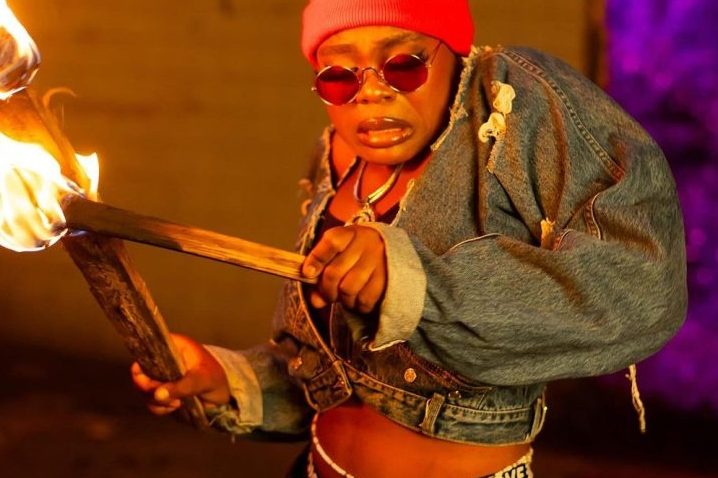
She has built a career out of movement, rhythm, and raw performance. But according to dancer-turned-singer Ritah Dancehall, the moment you tell most Ugandans you are a professional dancer, you might as well have told them you gave up on life. Speaking publicly this August, Ritah laid out a truth that many in Uganda’s entertainment circles have felt for years but rarely said this plainly: the country still doesn’t respect its dancers.

The Stigma That Follows Every Beat Drop
There is something deeply contradictory about a society that streams dance videos, packs venues to watch live performances, and then turns around and looks down on the very people creating those moments. Yet that is exactly the dynamic Ritah is calling out. As she made clear in her remarks, dancers in Uganda are routinely perceived as hustlers or people who simply failed at everything else and ended up on the dance floor by default.
That perception cuts deep. It shapes how families react when a young person expresses passion for dance. It influences whether schools, investors, or creative institutions take the art form seriously. And it directly affects how much dancers can charge for their work, because when a society devalues your profession, the market follows.
A Foundation That Is Still Being Built
Ritah’s frustration makes even more sense when you understand where Uganda’s dance industry actually stands right now. Unlike music or comedy, which have managed to carve out relatively clearer commercial pathways in Uganda’s entertainment scene, dance as a standalone profession lacks the structural support it needs. There are no major dedicated dance academies with mainstream cultural authority. There are no well-funded national platforms that consistently celebrate professional dancers the way sports celebrates athletes. The industry is, by most honest assessments, still finding its footing.
That is not a criticism of individual dancers. If anything, it makes what they accomplish more impressive. They are building careers on terrain that hasn’t been properly mapped yet, without the institutional backing that artists in other sectors sometimes take for granted. The fact that many are still managing to perform, tour, and maintain any kind of income at all is a story of serious grit.
The Money Problem Nobody Talks About Loudly Enough
Beyond the social stigma, Ritah was also candid about the financial reality: dancing doesn’t pay the way it should. Many talented performers across Uganda are pouring serious hours into their craft and walking away with very little to show for it in terms of income. They hustle between gigs, take whatever bookings come their way, and often supplement their earnings with teaching, event MC work, or social media content just to stay afloat.
This is not unique to Uganda. Across much of sub-Saharan Africa, the performing arts have historically been underfunded and undervalued at the policy level. But the conversation Ritah is having matters precisely because it names the problem clearly rather than dancing around it, no pun intended. If dancers themselves don’t push back against the narrative that they are society’s plan-B people, nobody else will do it for them.
What Respect for Dancers Actually Looks Like
Changing how a society views a profession is slow, uncomfortable work. It requires artists who are willing to speak plainly, the way Ritah is doing now. But it also requires structural shifts. Uganda’s entertainment industry stakeholders, including promoters, media platforms, and government cultural bodies, all have a role to play in building the kind of infrastructure that turns dancing from a stigmatized hustle into a recognized, fundable career.
Think about what it would mean if Uganda’s biggest corporate brands started investing in dance the way they invest in music festivals. Or if schools introduced structured dance programs that treated movement as a legitimate academic and professional pathway. Or if streaming platforms and content houses started commissioning original dance content from Ugandan creators at rates that actually reflect skill and labor.
None of that happens overnight. But it starts with the cultural shift that someone like Ritah is pushing for, the simple, radical idea that a person who chooses dance as their profession is not a failure. They are a professional. They deserve to be treated like one.
Ritah’s Broader Significance in This Conversation
What makes Ritah a particularly credible voice here is her own trajectory. She crossed over from the dance world into music, which in Uganda’s entertainment hierarchy tends to carry more social prestige. She didn’t have to keep fighting for dancers’ dignity. She could have quietly moved on and let the old stigmas stand. Instead, she is using her platform to look back and advocate for the community she came from. That kind of loyalty to one’s roots, especially when you have the option to distance yourself, says something important about character.
Her words are likely to resonate with hundreds of young Ugandans right now who are weighing whether to pursue their passion for dance seriously or bow to family and societal pressure to choose something more “respectable.” The message she is sending them is that their art has value, even if the world around them hasn’t caught up to that truth yet.
The Bigger Picture for African Creative Industries
Uganda is not alone in wrestling with this. Across the continent, creative professionals in disciplines like dance, visual arts, and theatre face an uphill battle for legitimacy compared to their counterparts in law, medicine, or engineering. African pop culture has never been more globally visible, yet the structural respect for the people who create it domestically often lags far behind the hype.
The conversation Ritah Dancehall is sparking locally connects to a much wider question about how African societies choose to value their own creative labor. Every time a Ugandan dance crew goes viral online and the country briefly celebrates them before going back to treating local dancers like hustlers, that contradiction gets a little harder to ignore.
So here is the question worth sitting with: if Uganda’s dance culture is good enough to entertain the world, why isn’t it good enough to be treated with basic professional respect at home?