





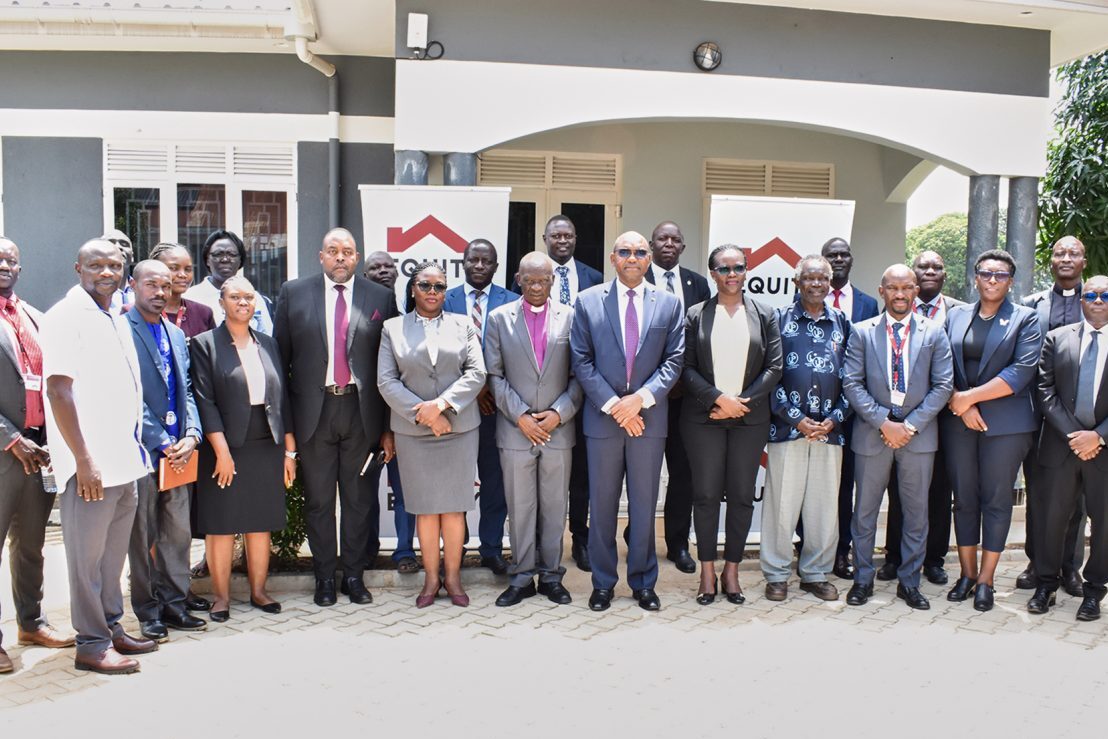
In the dusty, sun-baked corridors of Arua city, something quietly significant is taking shape. The Madi-West Nile Diocese of the Church of Uganda and Equity Bank Uganda are moving toward a formal partnership designed to do what few institutions in the region have attempted before: systematically convert the latent economic value locked inside church land, schools and health facilities into real, self-sustaining income streams.
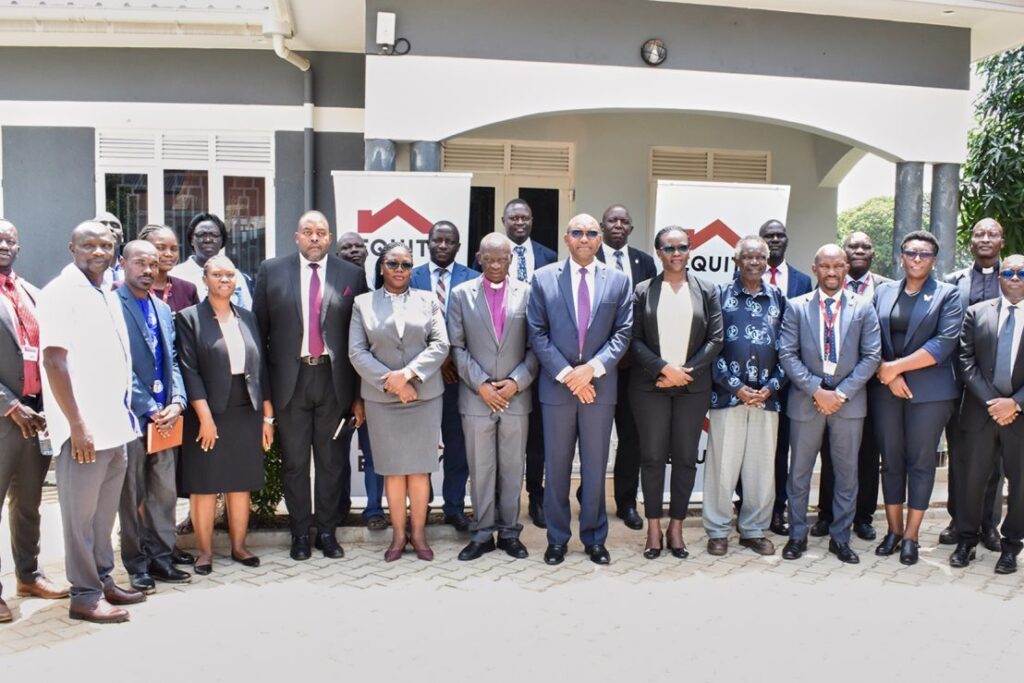
The two organisations recently held substantive discussions on formalising their arrangement through a Memorandum of Understanding, according to reporting from Chimpreports. The proposed MoU would give structure to a relationship that has, by all accounts, already grown well beyond the transactional. Equity Bank has previously supported the construction of the diocese’s administrative office block on 7th Street in Arua city, and has extended financing, financial literacy programmes and social credit access to clergy, church workers and graduates across the region.
A Diocese With More Resources Than It Realises
The numbers behind the Madi-West Nile Diocese tell a story of quiet scale. The diocese operates across 12 districts and 13 archdeaconries, with 150 parishes, 685 local churches and 221 active clergy. That is not just a religious network. It is a geographic footprint and a community trust infrastructure that most commercial organisations would spend years trying to replicate.
The diocese owns substantial land and runs schools and health facilities spread across this wide territory. Under normal circumstances, land sits idle, buildings age without reinvestment, and institutions that could generate surplus revenue simply don’t, because the financial architecture to support commercial thinking was never put in place. That is precisely the gap this partnership is designed to close.
Diocesan Secretary Geoffrey Nasser framed the existing relationship with Equity Bank as one that had already moved beyond routine corporate banking. Youth mentorship, individual loans and access to financial literacy for community groups were among the areas he cited as examples of how the bank’s involvement had touched everyday lives across the diocese’s coverage area.
What the Partnership Actually Proposes
The framework being discussed is not a standard corporate social responsibility arrangement. Both parties are talking about a coordinated approach to economic development that spans agriculture, education, healthcare, enterprise growth, energy and environmental conservation. Commercial agriculture and forestry projects are explicitly on the table, alongside financing for the renovation and expansion of schools and health facilities.
The logic is straightforward. The diocese brings land, institutions and the kind of deep community credibility that no marketing budget can buy. Equity Bank brings financial expertise, credit facilities and technical capacity. Individually, each party has limitations. Together, the combination addresses weaknesses on both sides.
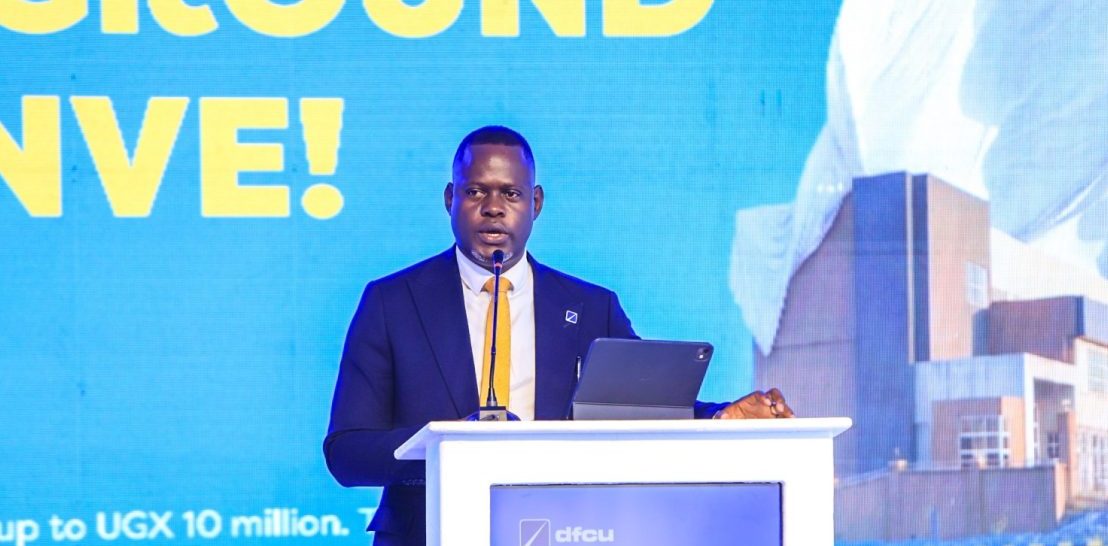
Equity Bank Managing Director Gift Shoko articulated the bank’s rationale with notable clarity. His stated objective is to help church institutions build stronger and more sustainable economic foundations, turning church schools and land into financially independent entities rather than perpetual dependants on donor funding or congregation offerings. That is an ambitious but coherent vision, and it reflects a broader shift in how development-oriented banks are thinking about non-traditional partners in frontier markets.
Why This Model Matters Beyond West Nile
Uganda’s faith institutions collectively hold some of the most significant untitled and underleveraged land assets in the country. Churches, mosques and other religious bodies have historically operated as service providers, dependent on goodwill and community contributions to keep the lights on. The idea that these same institutions could become income-generating economic actors is not new in theory, but it remains rare in practice, particularly in regions like West Nile that sit far from the financial centres of Kampala.
What makes the Madi-West Nile Diocese’s approach worth watching is the seriousness of the framework being proposed. An MoU is not a press release. It creates accountability, assigns roles and sets timelines. If the two institutions follow through, the diocese’s agricultural land could be cultivated under commercially structured arrangements, its schools could access renovation financing tied to enrolment projections, and its health facilities could receive capital for expansion without depending entirely on government grants or NGO cycles.
Financial Literacy as a Foundation
One detail from Geoffrey Nasser’s comments deserves particular attention. He pointed to financial literacy initiatives as a core part of what Equity Bank has already been delivering to clergy and community groups. This is not a cosmetic addition. Financial literacy is the foundational layer beneath everything else. Clergy managing church budgets, community groups running small enterprises, graduates navigating first loans, none of these groups can productively engage with a commercial framework if they do not understand basic financial principles. The fact that this has been happening informally suggests the formal partnership would be building on a real base rather than starting from zero.
The Road Ahead
For now, the MoU remains unsigned. The discussions have been substantive and the intent is clearly mutual, but moving from productive conversation to a binding framework requires alignment on specifics: governance structures, revenue-sharing arrangements, timelines for individual projects and accountability mechanisms. These are the details that determine whether a partnership produces genuine outcomes or becomes another well-intentioned document that gathers dust in a filing cabinet.
If executed well, though, this collaboration could serve as a model for how religious institutions across Uganda and the broader East African region engage with the formal financial sector. The church’s reach into communities that commercial banks struggle to serve efficiently is a genuine asset. Equity Bank’s ability to structure financing and provide technical support is equally real. The West Nile region, long seen as peripheral to Uganda’s economic story, could find itself at the centre of a genuinely interesting experiment in faith-based economic development.
The question worth sitting with is this: if one of Uganda’s most remote dioceses can credibly partner with a major commercial bank to commercialise its assets and lift an entire region, what is stopping other faith institutions across Africa from doing exactly the same?