






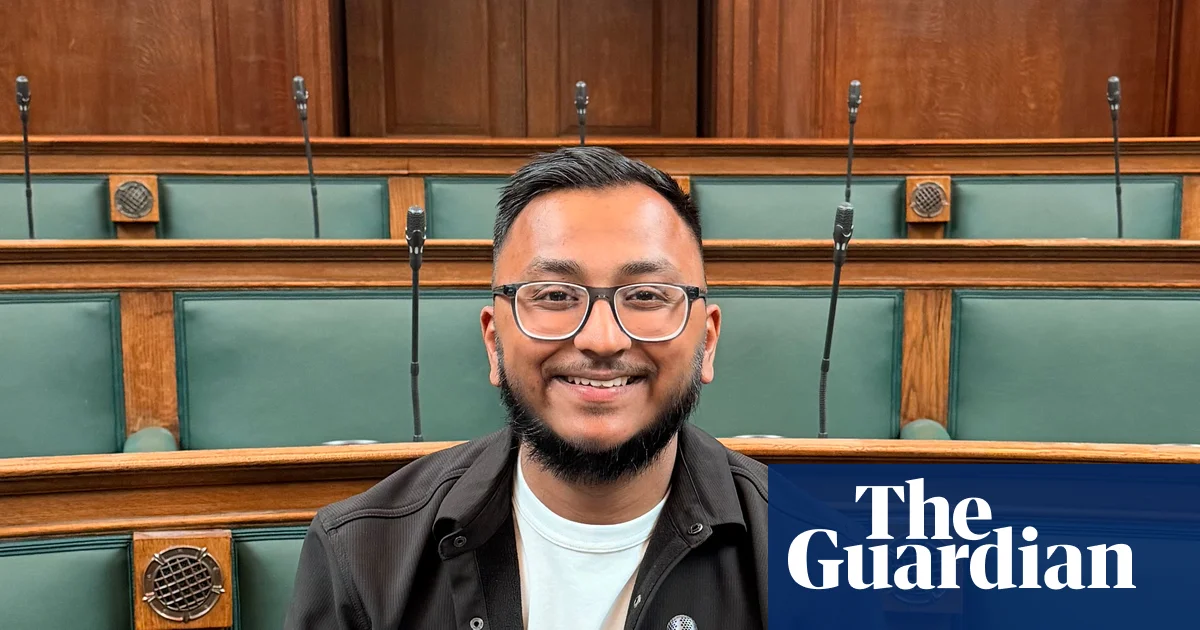
A byelection fight that was already shaping up to be one of the more closely watched contests of the political season just became a whole lot more interesting inside the Green Party itself. Zack Polanski, a prominent Green figure, is facing an internal challenge for the right to contest the Holborn and St Pancras byelection, confirmed for 8 October 2026 following Keir Starmer’s formal resignation as a Member of Parliament.
The challenger is Hamza Chowdhury, a Green councillor on Camden Council in north London, who says the majority of his fellow Green Camden councillors are backing his bid for the nomination. His entry into the race has thrown a spanner into what many assumed would be a straightforward path to the ballot for Polanski.
A Local Voice Takes Aim
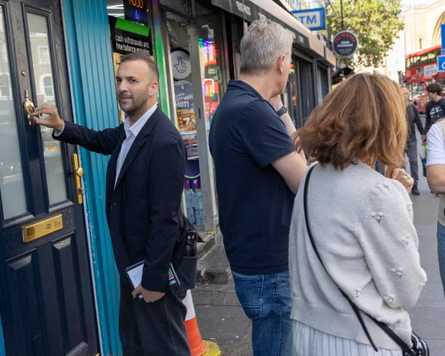
Chowdhury’s pitch is grounded in a simple but pointed argument: Holborn and St Pancras deserves more than a recognisable face on a leaflet. Speaking publicly about his intention to seek the nomination, Chowdhury said the constituency does not need “a politician you’ll only see on a leaflet.” It is a line that cuts cleanly, implying that celebrity within a party and genuine local engagement are not always the same thing.
The framing is deliberate. Chowdhury’s case rests on his existing presence in the borough, his work on Camden Council, and his relationships with voters who actually live in the area the seat covers. For a party that often champions community-rooted politics over top-down party management, it is an argument that carries real weight.
What Is at Stake in Holborn and St Pancras
This seat carries a particular kind of symbolic gravity. It was held by Keir Starmer before he became Labour leader and, eventually, Prime Minister. His resignation as an MP triggered the byelection, and parties across the spectrum have identified Holborn and St Pancras as a contest worth fighting hard.
For the Greens, the timing feels significant. The party has been building momentum in urban seats, where younger, progressive voters are increasingly open to alternatives beyond the traditional Labour-Conservative binary. Holborn and St Pancras, sitting in the heart of north London, is exactly the kind of constituency where that shift could register at the ballot box.
But that opportunity only materialises if the party presents a credible, compelling candidate. The internal nomination dispute, however brief it might turn out to be, raises questions about whether the Greens can project unity at a moment when unity is precisely what could carry them over the line.
The Polanski Factor
Polanski brings national profile and a media presence that most local councillors, however dedicated, simply cannot match. That visibility has real electoral value, particularly in a byelection where national attention and media coverage can shift local momentum. His supporters would argue that name recognition in a short campaign window matters enormously.
The counter-argument, which Chowdhury is effectively making, is that byelections are also won on the ground, through doors knocked and conversations had over months, not just weeks. A candidate already embedded in the community, already familiar to local party activists and residents, may have a structural advantage that no amount of national profile can fully replicate.
The Date Is Set, the Clock Is Running
With 8 October now confirmed, the Greens have very little time to resolve their internal selection process and get a candidate out on the road. Every day spent navigating the nomination dispute is a day not spent canvassing. Labour, the Liberal Democrats, and others will not be waiting around.
The Camden councillor’s intervention, backed reportedly by most of his Green colleagues on the council, suggests this is not a one-person protest but a coordinated push from the local party wing. Whether that translates into enough votes within the wider Green selection process remains to be seen.
A Party at a Crossroads
The Holborn and St Pancras contest is, in microcosm, a broader question the Greens have been grappling with as they grow: how do you balance the appeal of national figures who can draw attention and donations with the authenticity of local candidates who genuinely know the streets they want to serve?
Both things matter. Neither is wrong. But in a party that prizes grassroots democracy as a core value, the tension between these two approaches is particularly charged. How the Greens handle this selection dispute will say something meaningful about where the party’s internal power actually sits.
The byelection on 8 October will be fought across the full spectrum of British politics, but right now, one of the most consequential battles is happening within a single party’s nomination process. Polanski has the profile. Chowdhury has the postcode. Which of those things matters more to Green members, and ultimately to voters, is a question with no obvious answer yet.
So here is the one worth sitting with: in an era when voters increasingly say they are tired of politicians who parachute in and disappear after polling day, does the Green Party’s choice in Holborn and St Pancras actually matter beyond one constituency, and could it reshape how all parties think about candidate selection in urban seats?