


Two stories dropped this week that, at first glance, seem to have nothing in common. One is about pixels, controllers, and the loudest gaming convention on the planet. The other is about vacuum, orbit, and the audacious California startup quietly engineering humanity’s next home in space. Put them side by side, though, and a sharper picture emerges: 2026 is shaping up to be a genuinely extraordinary year for technology. Journalist Laura Cress brought highlights from Gamescom, the world’s biggest gaming convention, while Lily Jamali went behind the scenes at a California company working to succeed the International Space Station. Both reports, taken together, paint a picture of an industry sector that refuses to stand still.
Gamescom 2026: Still the World’s Biggest Stage for Gaming
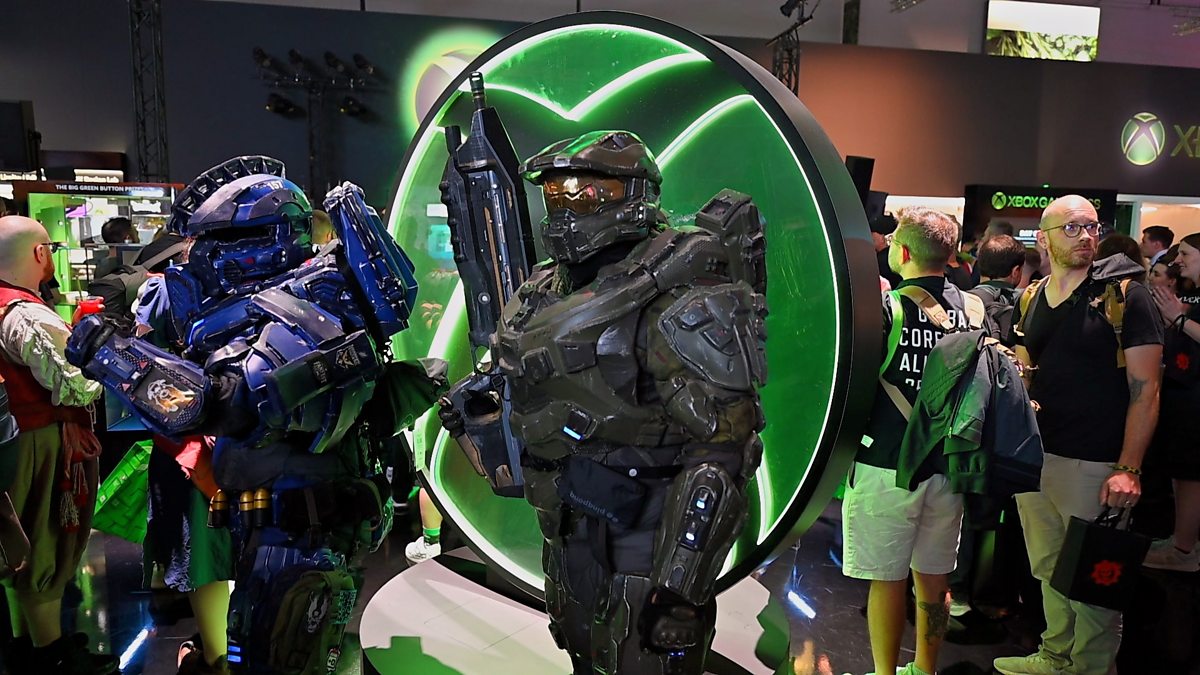
Cologne, Germany becomes the undisputed capital of interactive entertainment every summer, and this year was no different. Gamescom continues to hold its title as the planet’s largest gaming convention, drawing developers, publishers, streamers, and fans from every continent into its cavernous halls. The energy is difficult to overstate. It is part trade show, part cultural festival, and part glimpse into where the gaming industry is heading next.
For context, the global games market is now worth hundreds of billions of dollars annually and has long since eclipsed Hollywood in revenue terms. Gamescom is where that money finds its next story. Major studios announce titles, hardware manufacturers tease new peripherals, and indie developers get their shot at an audience that genuinely cares. Laura Cress’s coverage captures precisely why the convention holds such gravitational pull: this is where the conversation about gaming’s future actually happens, in real time, on a floor that stretches seemingly without end.
What makes Gamescom particularly interesting in 2026 is the context surrounding it. Artificial intelligence has begun reshaping how games are built, with procedural generation and AI-assisted development cutting production timelines dramatically. Cloud gaming infrastructure has matured to the point where high-fidelity titles stream convincingly on mid-range devices. And the conversation around gaming as a social platform, not merely entertainment, has intensified. Gamescom is the mirror that reflects all of it back at once.
Why Gaming Conventions Still Matter in a Digital World
There is a reasonable argument that in an age of digital reveals and YouTube livestreams, physical conventions have lost their edge. Gamescom makes that argument very difficult to sustain. The tactile experience of playing an unreleased title, the spontaneous conversation between a developer and a fan at a demo booth, the sheer collective electricity of thousands of people genuinely excited about the same thing: none of that translates through a screen. Gamescom endures because human beings still want to be in the room where it happens.
The Race to Replace the International Space Station
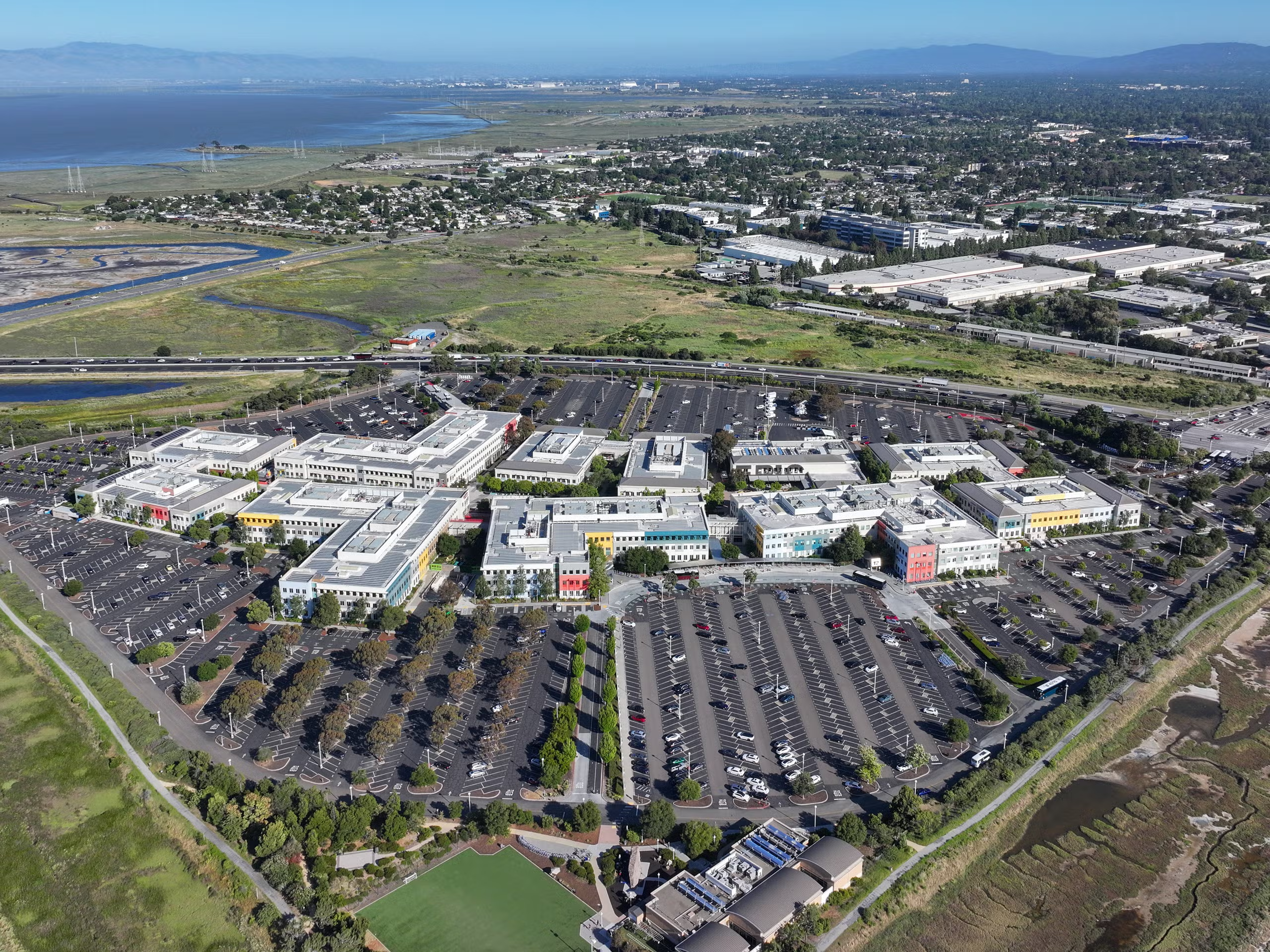
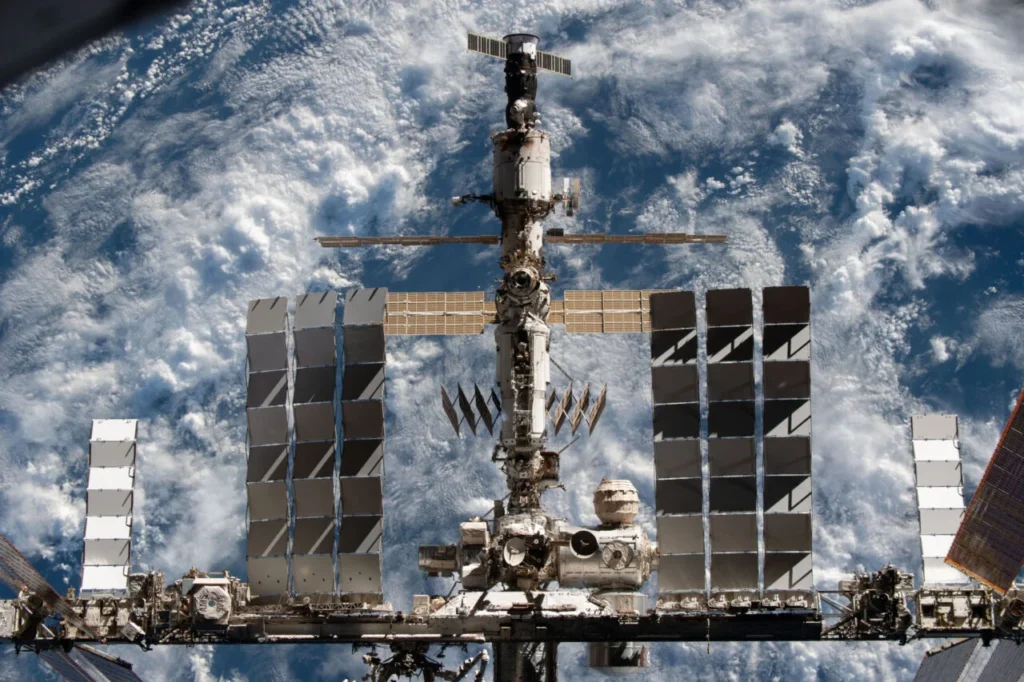
Meanwhile, roughly 9,000 kilometres away from Cologne, something equally significant is unfolding in California. A company is in the business of replacing the most complex engineering project in human history. The International Space Station, which has been continuously inhabited since November 2000, is approaching the end of its operational life. NASA and its international partners have long acknowledged that deorbiting the ISS is not a question of if, but when. The estimated retirement window sits somewhere in the early 2030s, though logistical and political factors make that timeline fluid.
What fills the gap? That is the question driving a new generation of commercial space companies. Lily Jamali’s behind-the-scenes access to one such California-based operation offers a rare look at the engineering and ambition involved. Building a successor to the ISS is not simply a matter of constructing a larger metal cylinder and launching it. The station must sustain human life for extended periods, support scientific research across multiple disciplines, withstand the brutal thermal cycling of low Earth orbit, and do all of it profitably in a way that government programmes historically could not.
Commercial Space and the Privatisation of Orbit
The shift toward commercial space stations represents one of the more consequential transitions in aerospace history. NASA’s Commercial Low Earth Orbit Destinations programme has actively funded private companies to develop station concepts, recognising that the agency cannot afford to both operate the ISS and fund its replacement simultaneously. Companies like Axiom Space, Blue Origin’s Orbital Reef project, and others have entered this space with varying degrees of momentum and funding.
The California company featured in Jamali’s report is operating in this broader competitive landscape. The engineering challenges are staggering: life support systems, radiation shielding, microgravity research facilities, docking compatibility with commercial crew vehicles. And unlike the ISS, which was assembled over thirteen years with the resources of sixteen nations, these commercial successors are working faster, leaner, and with private capital that demands returns. It is a genuinely different model, and whether it works at the scale required remains one of the more fascinating open questions in modern engineering.
Two Industries, One Shared Ambition
What connects Gamescom and a California space startup, beyond occupying the same news cycle? More than it might seem. Both industries are running on the same underlying current: the conviction that what exists today is not the ceiling. Gamers and game developers push relentlessly against the boundaries of what interactive worlds can feel like and mean. Commercial space companies push just as relentlessly against the boundaries of where human beings can live and work.
Both also carry enormous economic weight. The gaming industry employs millions globally and generates consumer spending that rivals some national GDPs. The commercial space sector, while still maturing, is projected to reach a trillion-dollar valuation within the next decade, according to multiple industry forecasts. These are not niche pursuits. They are mainstream economic and cultural forces that shape careers, inspire young people into STEM fields, and generate the kind of innovation that tends to bleed into adjacent industries.
In 2026, with AI reshaping creative work, geopolitical tensions adding urgency to space access, and consumer technology evolving faster than most people can track, the stories coming out of Gamescom and California feel less like separate headlines and more like chapters in the same larger narrative. A narrative about what human beings do when given the tools and the ambition: they build bigger worlds, whether virtual or orbital.
Which frontier excites you more: the next generation of gaming experiences pushing the limits of storytelling and immersion, or the audacious engineering race to keep humanity in orbit after the ISS is gone? Let us know in the comments below.