




Cornell University found itself at a crossroads on Friday, November 6, 2026, when its faculty senate passed a formal resolution of “no confidence” in the school’s top leadership. The vote, 75 in favor and 50 against, with 10 faculty members either abstaining or not voting at all, was not a legal instrument. It carries no binding power. But in the culture of academic governance, few gestures land harder than faculty turning on their own institution’s leaders in a recorded, official tally.
The backdrop is as serious as university controversies get. A former Cornell student filed a lawsuit alleging she was gang-raped at a fraternity party in 2024. That lawsuit, and the administration’s handling of the fallout from it, became the pressure point that eventually cracked faculty confidence open. According to reporting on the resolution’s passage, the faculty senate’s discontent centers not simply on what allegedly happened at that party, but on how the institution chose to respond when it did.
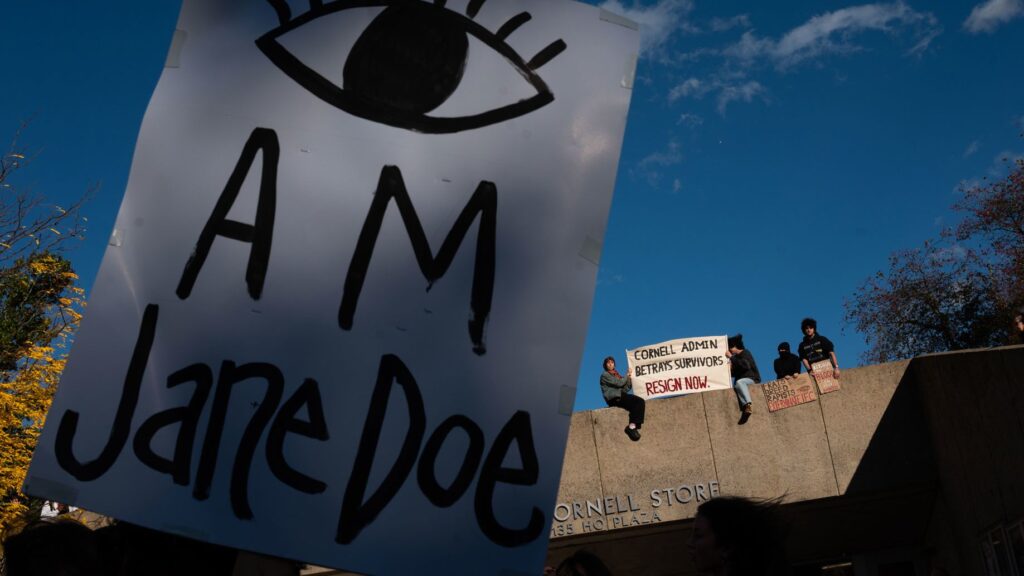
What a “No Confidence” Vote Actually Means
It is worth pausing on the nature of this kind of resolution, because the phrase gets used dramatically without always being understood precisely. A no confidence vote in an academic setting is a formal expression of collective professional opinion. It signals that the faculty, the people who run classrooms, conduct research, and represent the intellectual core of a university, have lost faith in the judgment and leadership of those at the top of the administrative hierarchy.
Boards of trustees are not legally compelled to act on such resolutions. University presidents do not automatically resign when one passes. But the reputational weight is real. Donors take notice. Prospective students and faculty notice. Accreditation bodies notice. And perhaps most importantly, the internal culture of an institution shifts the moment its own scholars go on record saying they do not trust the people running it.
At Cornell, this was not a narrow or easily dismissed result. Twenty-five votes separated the two sides, a margin wide enough to signal genuine, broad-based frustration rather than a faction of vocal dissenters pushing through a symbolic protest.
The Lawsuit at the Center of the Storm
The specific allegation driving this crisis is not ambiguous or minor. A former student claims she was gang-raped at a fraternity party on Cornell’s campus in 2024. That accusation, and the subsequent lawsuit, placed the university in the position every institution privately dreads: being forced to respond publicly and institutionally to an alleged violent crime that allegedly occurred within its social ecosystem.
Fraternities occupy a complicated space in American university culture. They are legally independent organizations in most cases, yet they recruit from campus, host events that university students attend, and operate in social spaces that universities effectively sanction through recognition and housing arrangements. When something goes wrong inside that world, the question of institutional responsibility becomes genuinely thorny, and the temptation for administrations to maintain careful distance can look, to those watching, like abandonment.
It appears that enough Cornell faculty read their administration’s response in exactly that unflattering light. The resolution passed on Friday reflects not simply grief or anger about an alleged crime, but a specific judgment that the people leading the university failed to meet the moment with appropriate urgency and moral clarity.
A University Under the Microscope
Cornell is an Ivy League institution, one of the most recognized universities in the world. Its reputation for academic rigor and research output is not in question here. But prestige does not insulate any organization from accountability, and in some ways it raises the stakes. The standard expected of a school like Cornell, by its own community and by the broader public, is higher precisely because the institution has long insisted it deserves to be held in high regard.
When survivors of sexual violence feel their institutions have not stood with them, the damage ripples outward in ways that are hard to fully measure. Other students recalibrate how safe they feel reporting incidents. Faculty begin questioning whether institutional values exist beyond the glossy pages of an annual report. Alumni start asking uncomfortable questions at fundraising dinners.
The no confidence vote, then, is partly a signal to the administration. But it is also a signal to the survivor at the center of this lawsuit, to other students who may be weighing whether to come forward about their own experiences, and to the broader public watching to see how one of America’s most storied universities handles a moment that demands more than cautious legal positioning.
What Happens Next
The resolution itself, being symbolic, does not chart a mandatory course of action. Cornell’s leadership can acknowledge it and take steps to address the underlying concerns, or they can absorb the reputational blow and move forward with existing strategies. History suggests that institutions which choose the latter rarely find the story simply goes away.
Pressure from faculty governance structures tends to compound rather than dissolve. If the administration does not respond with visible, substantive changes to how it handles sexual violence complaints and fraternity oversight, further escalation is not hard to imagine. That could mean additional resolutions, organized student action, or renewed media scrutiny of the lawsuit’s proceedings as it moves through the courts.
The coming months will likely define how Cornell’s current leadership chapter is ultimately remembered. For now, 75 faculty senators have put their names, in effect, to a verdict, and that verdict says: not good enough.
The question worth sitting with is this: when a university’s own scholars formally declare they have lost faith in its leadership over how it handled an alleged rape, what does it take for an administration to genuinely earn that trust back, and is a symbolic resolution ever enough to start that conversation?