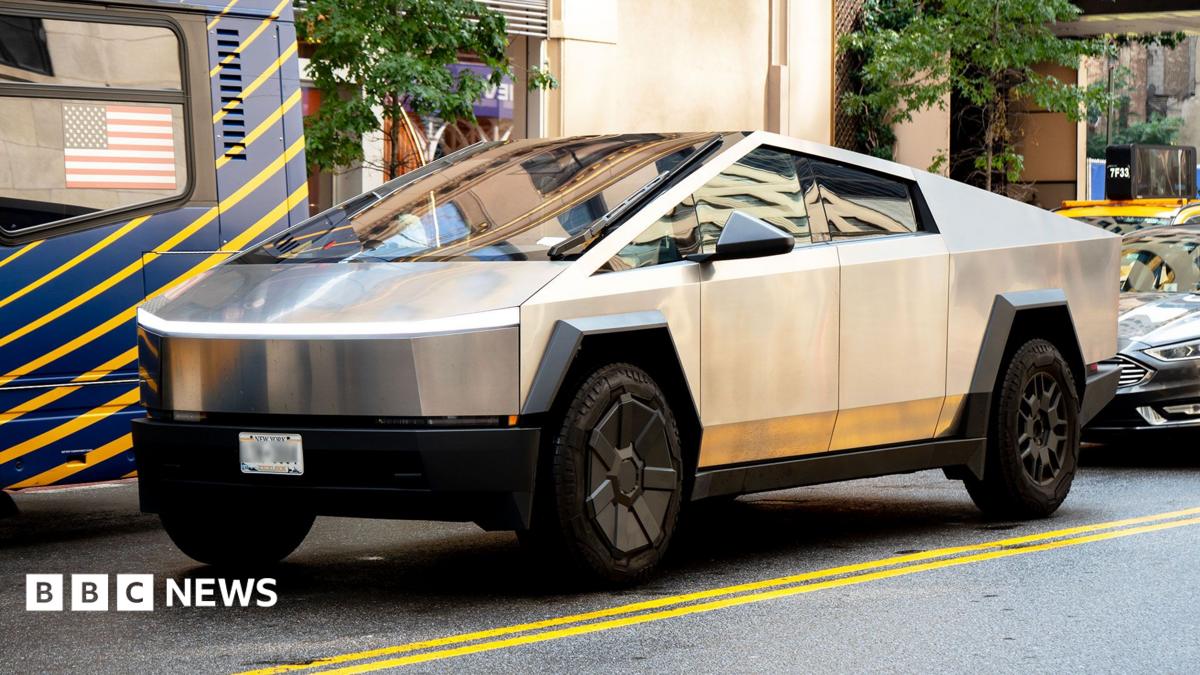


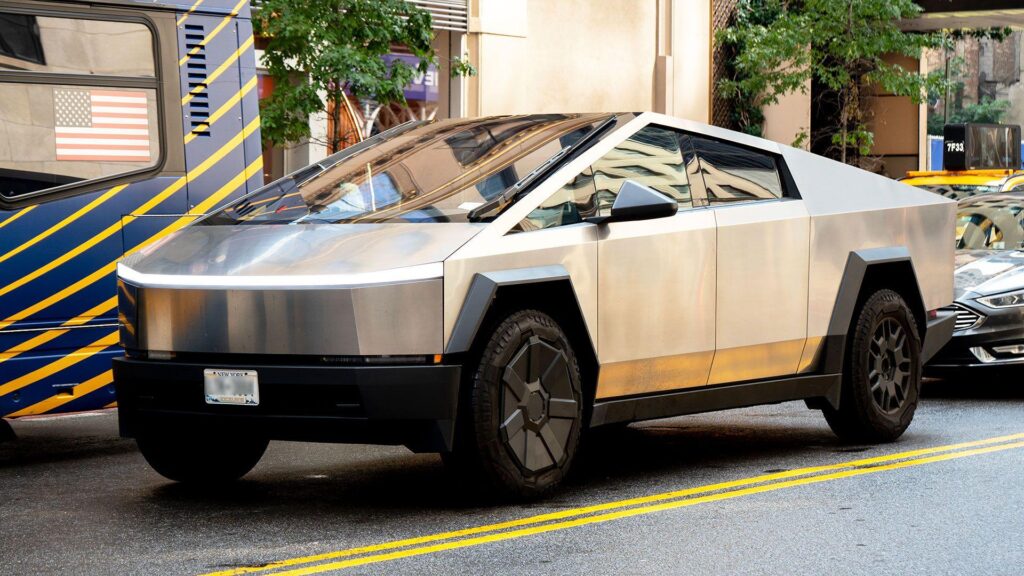
Elon Musk confirmed this week that Tesla will wind down production of the Cybertruck at its Austin, Texas factory in 2027, signalling the effective end of a vehicle that was equal parts cultural phenomenon and commercial gamble. The announcement, made without a formal press release or investor call, arrived the way most significant Musk news does these days: through a series of posts on X, the social media platform he owns.
The move, he said, is intended to free up manufacturing capacity at the Texas gigafactory for the Cybercab, Tesla’s autonomous robotaxi that Musk has positioned as the company’s next major revenue driver. What he did not clarify is whether Cybertruck production would be relocated to another facility or permanently retired. That ambiguity left fans and analysts reading between the lines, and the lines were not particularly optimistic.
The Engineer’s Goodbye Says It All
When a lead engineer goes public with a eulogy for his own product, it tends to settle the question. Wes Morrill, the Cybertruck’s principal engineer, took to X to describe the vehicle as “an incredible technology development platform” that “lives on through Cybercab.” That is the kind of corporate send-off you give something you are not planning to revive. It framed the Cybertruck less as a product in its own right and more as a very expensive, very photogenic prototype for whatever comes next.
Musk, for his part, did not push back on the discontinuation framing. When a fan called the Cybertruck “the best vehicle Tesla has ever made” and lamented it being “discontinued next year,” Musk replied with one word: “true.” He added that the existing Cybertruck fleet would remain on the road for a long time, which is comforting if you already own one and somewhat cold comfort if you were planning to buy.
A Rocky Road from the Very Beginning
The Cybertruck’s story is one of the more turbulent chapters in modern automotive history. Unveiled in November 2019, it instantly became a meme, a talking point, and a polarising design statement all at once. Its angular, almost brutalist aesthetic divided opinion sharply. Some saw it as a glimpse of the future; others saw a vehicle that looked like it had been designed by someone who had only ever heard cars described, never actually seen one.
That unveiling was also where the first cracks appeared, literally. Musk attempted to demonstrate the supposedly unbreakable armoured glass by having a metal ball thrown at the window during the live event. The glass shattered. Twice. The moment went viral instantly, and while Musk laughed it off, it set a tone of skepticism around the product that never fully dissipated.
What followed was years of delays. Originally promised for delivery in late 2021, the Cybertruck did not reach customers until late 2023, by which point the EV market had grown considerably more competitive and consumer patience had been tested. According to reporting from the BBC, sales figures since launch have been disappointing, suggesting the vehicle never quite found the mass-market footing Tesla needed to justify its production costs.
Musk’s Personal Investment in the Project
What makes this discontinuation particularly striking is how personally Musk championed the Cybertruck. This was never just another model in a lineup. He called it “way more awesome than people realise” as recently as March 2026 and declared it “the best product Tesla has ever made to date” in April. That is an extraordinary level of public enthusiasm for a product that, by most commercial metrics, underperformed.
The tension between Musk’s genuine passion for the vehicle and the market’s lukewarm response tells a broader story about the difficulty of translating a founder’s vision into mass-market success. The US truck segment is one of the most competitive and culturally entrenched in the world. Ford’s F-Series, the Ram pickup, and the Chevy Silverado are not just vehicles to their buyers. They represent identity, utility, and deeply held loyalties. Arriving with a sci-fi aesthetic and a stainless steel body was always going to be a hard sell in that arena.
The Cybercab Pivot and What It Means for Tesla
Tesla’s stock climbed 4.7% on the Friday following Musk’s announcement, which tells you something important: investors are not mourning the Cybertruck. They are excited about what comes next. The Cybercab represents Tesla’s bet on autonomous ride-hailing as a transformative business, one that could generate recurring revenue at a scale that selling individual vehicles never could.
Morrill’s framing of the Cybertruck as a “technology development platform” that feeds into the Cybercab makes strategic sense from that perspective. The engineering lessons learned, the manufacturing processes refined, the software developed, all of that carries forward even if the stainless steel shell does not. It is a classic Silicon Valley narrative: the product that did not scale commercially still served its purpose as a learning exercise.
What Happens to Existing Owners?
For the tens of thousands of people who already own a Cybertruck, the picture is mixed. Musk’s assurance that the fleet will be around for a long time is presumably meant to reassure owners that parts and service will remain available. But the resale market is another matter entirely. Discontinued vehicles from niche manufacturers tend to depreciate sharply once production ends, and the Cybertruck’s already thin used-market numbers are unlikely to improve with this news.
The online mourning has been real and, in some corners of the internet, surprisingly sincere. For a contingent of Tesla loyalists, the Cybertruck was more than a truck. It was a statement, a signal that someone was finally willing to build something genuinely different rather than iterating endlessly on the same formula. That feeling of loss is legitimate, even if the market numbers suggest most people were admiring from a distance rather than opening their wallets.
An Unusual Legacy for an Unusual Vehicle
The Cybertruck will occupy a genuinely strange place in automotive history. It was never the sales juggernaut Tesla needed it to be, yet it reshaped the conversation about what an electric truck could look like. It pressured legacy automakers to think differently about EV design, even if most of them ultimately went in the opposite direction. It became a cultural shorthand for a certain kind of techno-optimist ambition, equal parts thrilling and absurd.
That glass-shattering moment from 2019 now reads almost like a prophecy. The vehicle that was supposed to be unbreakable turned out to be mortal after all, subject to the same market forces and consumer preferences that govern every product regardless of how much its creator believes in it.
As Tesla prepares to clear the floor of its Texas factory for the Cybercab era, the question worth sitting with is this: in a world increasingly shaped by autonomous technology and subscription-based everything, is there still room for the kind of bold, impractical, personality-driven product the Cybertruck always was, and do we actually want that room to disappear?