



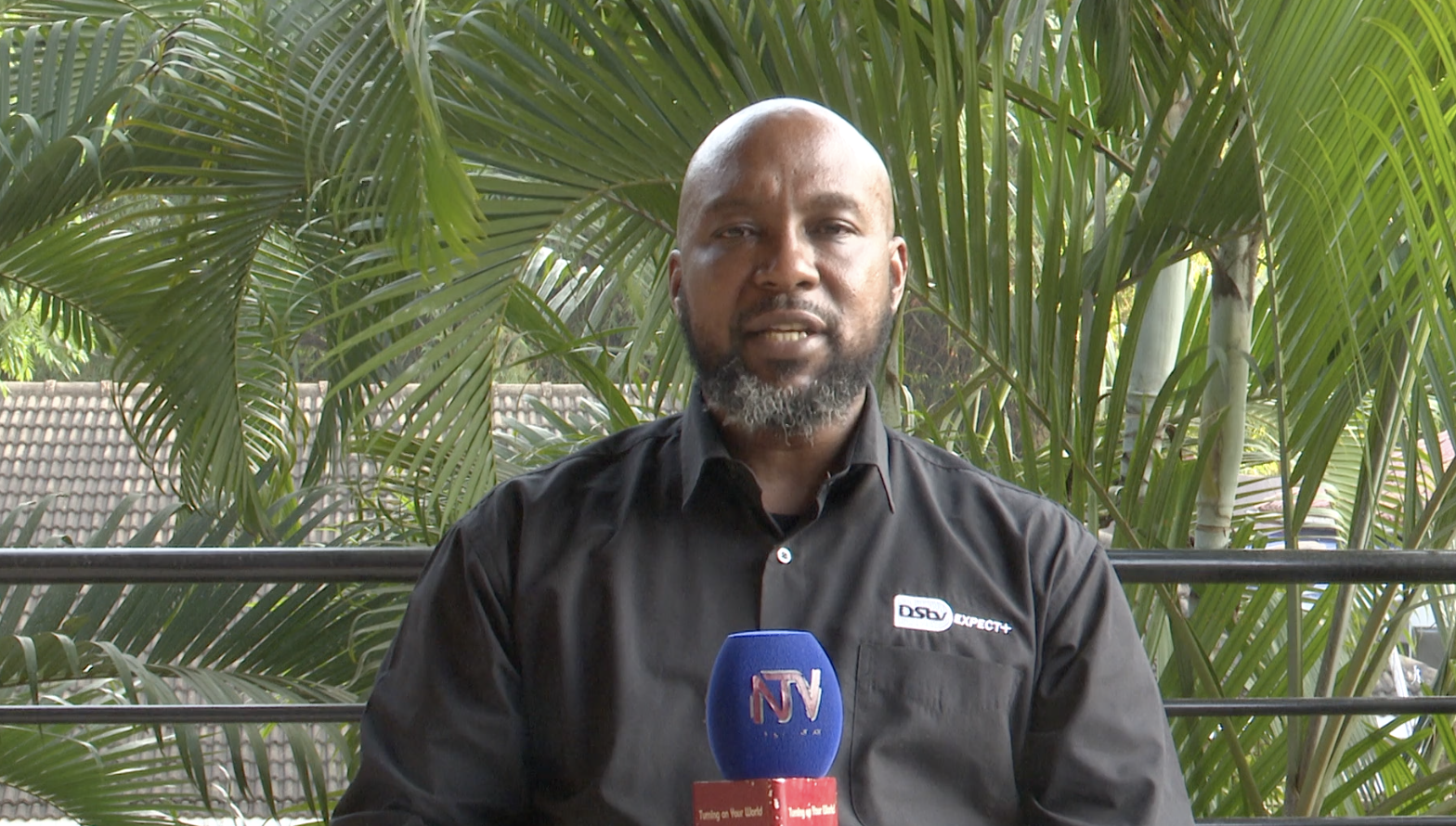
After thirty years of holding an almost unchallenged grip on sub-Saharan Africa’s pay-television landscape, DStv is finally making a move that many subscribers have been waiting a very long time to see. The satellite broadcaster has announced its most sweeping overhaul since it first switched on its signal, rolling out redesigned subscription packages loaded with new local productions, fresh dramas, and significantly broader channel access, all while pledging to bring costs to a level that actually feels reasonable to the average household.
The timing is no accident. The pay-TV sector across Africa has never faced as much pressure as it does right now, with global streaming giants eating into screen time and younger audiences increasingly comfortable watching content on a smartphone rather than a television set. DStv’s answer is not to panic, but to go back to what it has always done well and do it considerably better.
What Is Actually Changing
The headline of this overhaul is new content, and there is a lot of it. DStv’s revamped offering puts local productions and original African dramas front and centre, a clear signal that the broadcaster has listened to years of feedback from viewers who wanted to see their own stories, cultures, and languages reflected on screen rather than a steady diet of imported content.
Beyond the content itself, the restructured packages are designed to give subscribers more channel access at each price point. For years, one of the most consistent complaints from DStv customers has been the sense that you had to pay for a premium tier just to reach the channels you actually cared about. The new structure appears to address exactly that frustration by widening what each package includes.
Affordability is the third pillar of this shake-up, and arguably the most politically charged. Pay-television subscriptions in many African markets represent a genuine financial consideration for middle-income households, particularly as currencies have weakened and cost-of-living pressures have mounted. DStv’s commitment to more affordable content is a direct acknowledgment of that reality.
Why This Matters for the Broader Market
It is worth stepping back and considering what DStv’s transformation signals for the wider media environment on the continent. When the dominant player in any market decides to reinvent itself this aggressively, it rarely does so in a vacuum. The streaming wars that reshaped American and European television a decade ago are now playing out across Africa, and local broadcasters are feeling every tremor.
Netflix, Amazon Prime Video, and a growing number of regional streaming platforms have spent the past several years building African content libraries and courting African audiences. The fact that DStv is now leaning hard into local productions suggests its strategists have concluded that homegrown storytelling is one of the few advantages a traditional broadcaster can claim that a global algorithm-driven platform cannot easily replicate.
There is also the infrastructure argument. In many parts of Africa, reliable broadband internet remains expensive, inconsistent, or simply unavailable. Satellite television does not require a strong data connection, which means DStv still reaches households that streaming services simply cannot serve. Building more value into that existing footprint is a logical way to defend territory.
What Subscribers Should Expect
For the existing DStv customer sitting at home wondering what this actually means for their monthly bill and their remote control, the picture is genuinely encouraging. More local drama, more channel variety at accessible price points, and a broadcaster that appears to have shaken off the complacency that decades of market leadership can breed. These are not minor tweaks to a user interface. This is a structural rethink of what DStv is for and who it is serving.
African audiences have long been creative, opinionated, and deeply invested in their entertainment. From Nollywood’s global rise to the explosive growth of Afrobeats, the continent’s cultural output has demonstrated time and again that world-class stories can come from anywhere. A pay-TV platform that genuinely backs that creative energy with resources, distribution, and visibility could be a powerful partner for the next generation of African filmmakers, writers, and producers.
The Test Ahead
Announcements and actual delivery are two different things, and DStv’s credibility with subscribers will ultimately rest on execution. The packages need to arrive as described. The local content needs to be genuinely good, not just box-ticking. And the pricing needs to hold, not creep upward the moment the initial excitement fades.
Thirty years is a long run for any media business, and the fact that DStv is still standing, still investing, and still willing to tear up its own playbook is not nothing. Whether this overhaul turns out to be the moment the broadcaster truly reconnects with its audience or simply a well-marketed reshuffle remains to be seen. But the direction is right, and right now, that counts for something.
The question worth sitting with is this: will DStv’s bet on local stories and genuine affordability be enough to keep African households choosing satellite over streaming, or has the shift in viewing habits already gone too far to reverse?