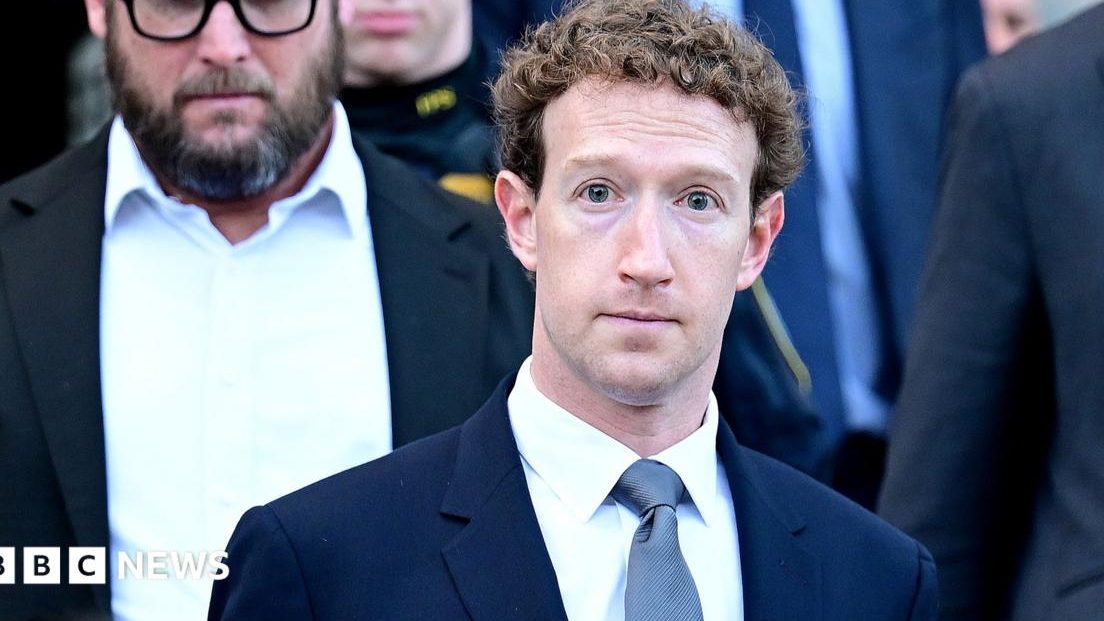
A federal judge in New Mexico dropped what may be the most significant legal blow against a social media company over child safety on Thursday, ordering Meta to pay $567 million into a fund designed to reduce future harms to young users. The ruling by Judge Bryan Biedscheid pushes the total penalty against the tech giant in this case to a staggering $942 million, after an earlier $375 million verdict had already been handed down against the company.

According to reporting on the ruling, Judge Biedscheid did not mince words. He called Meta a “public nuisance” and reached for a strikingly industrial analogy to make his point: the company, he argued, operates like a factory. In this framing, the advertising and content flowing through its platforms are the product, while the psychological harm and sexual exploitation of children represent the toxic byproduct that society is now being asked to clean up.
The Factory Analogy That Could Change Everything
That comparison to a polluting factory is more than just colourful judicial language. It reframes the entire moral and legal architecture around how we think about social media platforms. Factories that dump toxins into rivers don’t get to simply apologise and continue operations. They pay, they remediate, and they face ongoing scrutiny. Judge Biedscheid is essentially arguing that the same logic should apply to platforms that have allowed harmful content to reach children at scale.
The $567 million is earmarked specifically for a fund aimed at cutting future harm, not simply punishing past behaviour. That forward-looking dimension is significant. Rather than treating this as a corporate fine that disappears into government coffers, the court is trying to ensure that the money circles back to the problem it is meant to solve.
Meta’s Response: Disagreement and an Appeal
Meta, which owns and operates Instagram, Facebook, WhatsApp and Threads, was quick to push back. A company spokesperson said Meta disagrees with the ruling and plans to appeal. The company also pointed to its own record, arguing it works hard to keep users safe and has been open about the difficulty of removing bad actors and harmful content from its platforms.
That defence will sound familiar to anyone who has followed this story. When the initial $375 million verdict came down, marking the first time a US state had successfully sued Meta over child safety, the company offered almost identical language and signalled the same intention to appeal. The argument has not shifted much, even as the dollar figures keep climbing.
A Pattern of Courtroom Losses
This New Mexico case does not exist in isolation. Meta is currently dealing with thousands of lawsuits across the United States on closely related grounds. Earlier this year, the company lost a landmark case in Los Angeles, where a court found that Meta could be held legally liable for designing platforms with addictive features. That ruling opened a genuinely new front in the legal battle, because it moves the argument beyond specific harmful content and into the architecture of the product itself.
Mark Zuckerberg has appeared in court personally to address some of these cases, including testimony in Los Angeles earlier this year. The image of one of the world’s wealthiest and most powerful tech executives sitting before a judge is striking, but the courtroom losses are now generating a financial and reputational pressure that is harder to absorb than any single headline.
Why This Ruling Feels Different
Past regulatory actions against big tech have often felt like rounding errors on a balance sheet. A few hundred million dollars for a company with Meta’s revenue can be treated as the cost of doing business. But $942 million in a single case, combined with thousands of additional lawsuits still working their way through the system, starts to look like something more structural.
The “public nuisance” classification is legally meaningful, too. It is the same doctrine that has been used against tobacco companies, opioid manufacturers, and polluters. Courts have used it to impose long-term obligations on defendants, not just one-time payments. If that framing sticks through Meta’s expected appeals, the company could be looking at ongoing remediation requirements rather than a single settlement it can close the book on.
What Comes Next for Parents, Teens, and the Industry
For families, the ruling offers a moment of validation. The argument that these platforms were knowingly designed in ways that could harm young users, and that the companies behind them failed to warn the public adequately, now has substantial legal weight behind it. Whether that translates into safer products in practice depends on what the appeals process eventually confirms and how aggressively regulators and courts are willing to enforce change going forward.
For the broader social media industry, the message from New Mexico is loud enough to register even in Silicon Valley boardrooms. If Meta, with all its legal firepower, is losing cases at this scale and this pace, the sector as a whole needs to reckon with the fact that the regulatory environment has shifted beneath its feet.
The fund created by Thursday’s ruling will attempt to channel that money into real, measurable harm reduction. Whether it succeeds is an open question. But the days when platforms could treat child safety as a PR concern rather than a legal liability appear, based on the evidence accumulating in courtrooms across America, to be well and truly over.
As this legal saga continues through the appeals process and thousands more cases work their way toward trial, one question is worth sitting with: if nearly a billion dollars in fines has not yet forced a fundamental redesign of how these platforms treat their youngest users, what exactly will it take?