



Tens of millions of websites are sitting on a ticking clock this week after security researchers uncovered critical vulnerabilities in PHP, the back-end programming language that has quietly powered much of the web since the mid-1990s. The discovery has triggered one of the most significant coordinated patching efforts the tech world has seen in years, forcing governments and private organisations alike to pull services offline before any attacker can exploit the gaps.
What Exactly Is PHP, and Why Does It Matter So Much?
Most people browsing the web have never heard of PHP, and that is precisely the point. It works in the background, handling everything from login forms to e-commerce checkouts to content management systems. Platforms built on it include some of the internet’s most visited properties. When a language this deeply embedded in the web’s architecture develops a critical flaw, the blast radius is enormous.
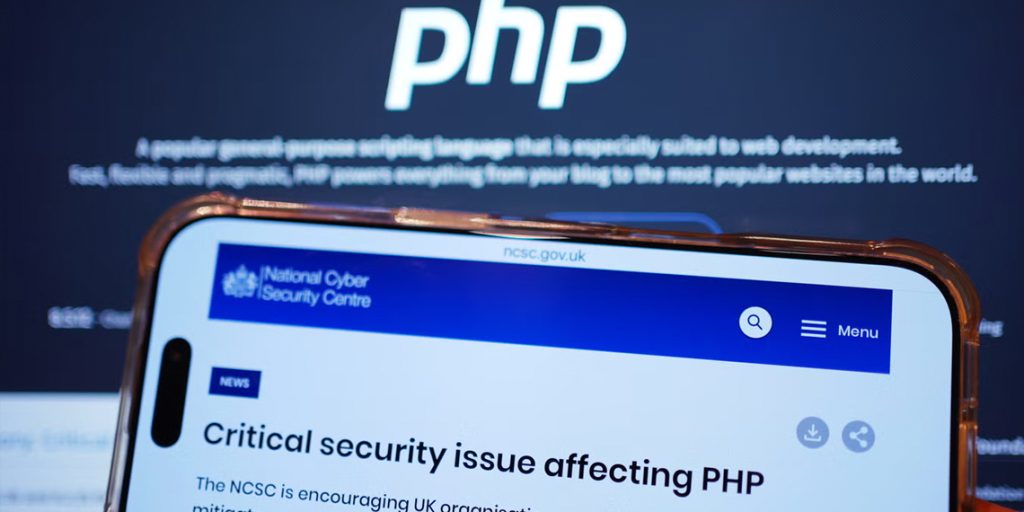
PHP’s developers confirmed this week that “critical vulnerabilities” had been identified in the language. Security researchers described the flaws as “severe”, warning that any website running an unpatched version is potentially sitting with its front door unlocked. The nature of such vulnerabilities means a bad actor with the right knowledge could, in theory, gain unauthorised access to servers, steal data, or worse.
Websites Go Dark as Organisations Move Fast
The response was swift, if unsettling. Across Wednesday and Thursday, websites in multiple countries went offline as administrators scrambled to apply patches or simply pulled the plug on services as a precaution. The UK government was among those taking pre-emptive action, confirming that a number of its own web services had been temporarily suspended while security teams worked through the fixes.
Downing Street acknowledged on Thursday that “some” limited government services “may be offline” during the security operation. The scale became clearer when tech minister Baroness Lloyd of Effra addressed the House of Lords directly, stating that 32 government services were completely unavailable and a further four were only partially accessible. As reported by the BBC, she attributed the disruption largely to precautionary measures taken while updates and mitigations were being applied, rather than any active breach.
The government declined to specify which services had been taken down, though officials were clear that no large, public-facing critical services had been affected. That is a meaningful distinction in a country where digital public services range from tax filings to healthcare appointment booking.
No Attacks Confirmed, But the Window Is Still Open
Here is the uncomfortable truth that cybersecurity professionals keep repeating: the absence of confirmed attacks right now does not mean the threat has passed. Sophisticated threat actors frequently sit on newly discovered vulnerabilities for weeks or even months before acting, waiting for the moment when fewer organisations are still patching and security teams have lowered their guard.
Experts have been clear that the full impact of this vulnerability disclosure could take months to become apparent. Some organisations will patch quickly. Others, particularly smaller businesses with limited IT resources, may not even know they are running vulnerable PHP versions until something goes wrong. That uneven patching landscape is exactly what criminal hackers and state-sponsored groups look for.
The AI Angle: How Was This Found?
Perhaps the most fascinating thread running through this story is the role of artificial intelligence in uncovering the flaw. AI-assisted security research has been growing rapidly, with machine learning tools now capable of scanning millions of lines of code far faster than any human team. The suggestion that AI played a role in identifying this particular vulnerability speaks to a broader shift happening in the cybersecurity industry, where the same technology being used to defend systems is increasingly being used to attack them. The arms race, in other words, has a new weapon on both sides.
What Should Website Owners Do Right Now?
If you run a website or manage digital infrastructure, the guidance from the security community is blunt: check your PHP version immediately, apply available patches without delay, and do not wait for your hosting provider to handle it automatically. Many shared hosting environments update PHP centrally, but self-managed servers require manual intervention. The PHP development team has released patched versions, and the update process, while requiring careful testing, is not optional at this point.
For businesses that rely on third-party platforms built on PHP, the advice is to contact your software vendor and confirm that they are on top of the patch cycle. “We’re looking into it” is not an acceptable answer when the vulnerability is already public knowledge and potential attackers can read the same security disclosures that defenders can.
A Wider Warning About Ageing Internet Infrastructure
This episode is a sharp reminder of something the tech industry has long tried to avoid discussing too loudly: vast amounts of the modern internet run on code that is decades old. PHP was first released in 1994. The fact that it remains so deeply woven into web infrastructure is a tribute to its longevity, but it also means that a single class of vulnerability in the language can ripple outward in ways that feel almost impossible to fully contain.
The episode sits alongside other major infrastructure scares, including the Log4Shell vulnerability of late 2021, which exposed a similarly embedded piece of software to catastrophic risk. Each of these events forces a reckoning with how much technical debt the internet is carrying and how prepared organisations truly are when that debt comes due without warning.
The patch race continues. Developers are working through the weekend. Security teams are monitoring logs for anything unusual. And somewhere, very likely, someone with bad intentions is reading the same vulnerability reports and doing their own calculations. The question worth sitting with is this: how many organisations are still running unpatched systems right now, and what will it take before the industry treats ageing infrastructure as the urgent risk it clearly is?