

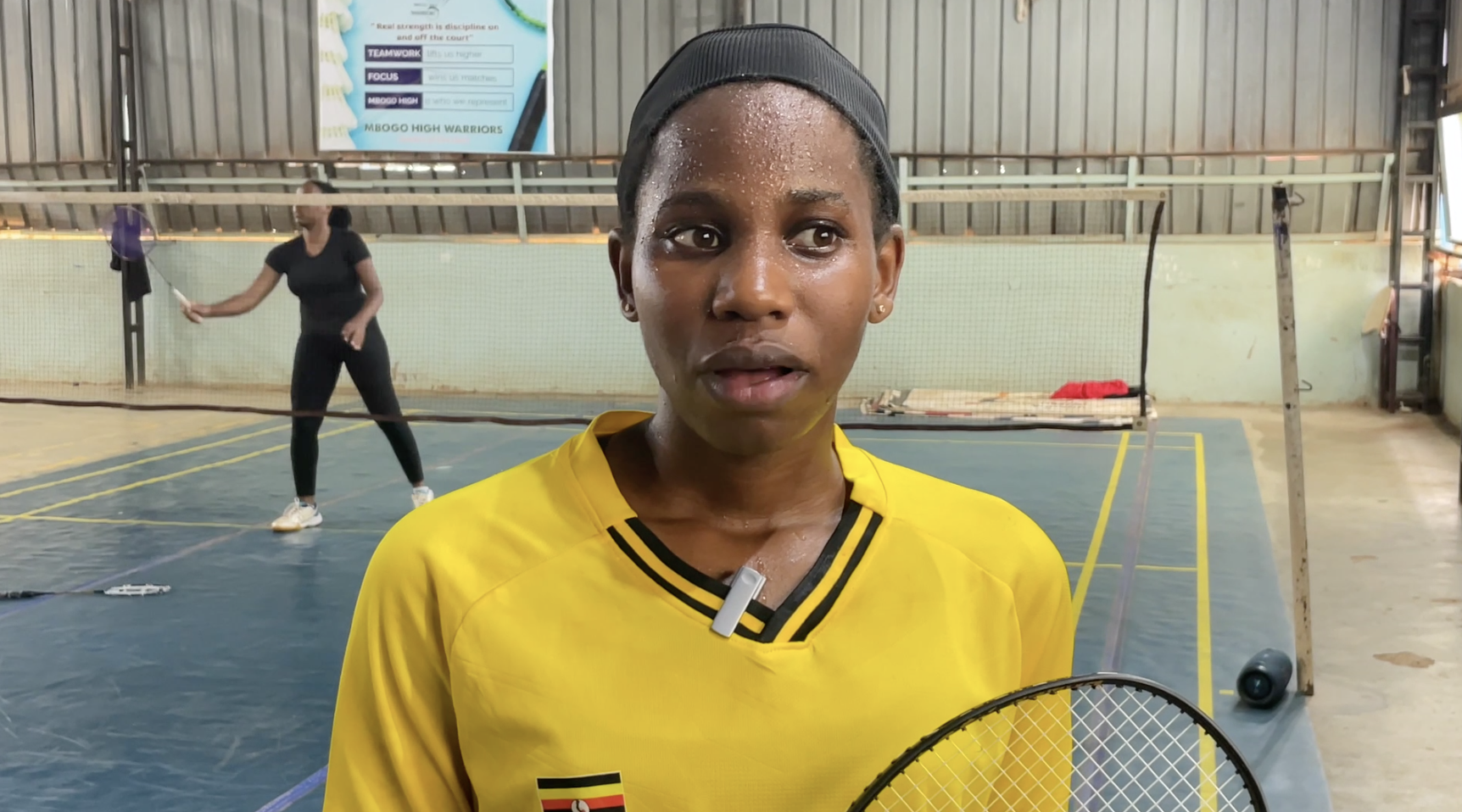
When the Youth Olympic Games open in Dakar, Senegal on October 31, Uganda’s flag will be carried, at least in spirit, by a 16-year-old girl who trains at a secondary school in Kampala and fits in shuttle drills between Senior Five revision sessions. Her name is Ramia Bukenya, and she is shaping up to be one of the more intriguing stories of the entire Games.
A Teenager on a Mission
Bukenya is not your typical teenage athlete coasting on raw talent. She is a calculated, determined young woman who has been using recent international competitive experience as a building block for exactly this moment. The Youth Olympic Games represent the pinnacle of junior-level global sport, a platform that has previously launched the careers of athletes who went on to become household names at senior level. For a Ugandan badminton player to be there at all is significant. For one to arrive with genuine competitive intent is something else entirely.
Her preparations are centred at Mbogo High School, where the courts are familiar, the environment is structured, and the routine is relentless. Early mornings, focused drills, racket work, footwork patterns, and then, when the shuttles are packed away, it’s back to the classroom. The dual life of a student-athlete is never glamorous, but it builds a mental toughness that no training camp can fully replicate.
Why the Youth Olympics Matter More Than Ever
The Youth Olympic Games in Dakar are a genuinely big deal, not just as a stepping stone, but as a competition in their own right. Senegal becomes the first African country to host the event, which adds a layer of continental pride and historical weight to the proceedings. For young African athletes, competing on home soil, or at least on African soil, carries a different kind of energy. The crowd, the atmosphere, the sense that this continent is capable of staging the world’s best junior sporting event: all of that feeds into the experience of every single athlete who walks into that arena.
Badminton, while not always the most spotlight-grabbing sport in African athletics coverage, is a deeply tactical game that rewards intelligence and athleticism in equal measure. Players must read their opponents, adjust their angles mid-rally, and sustain explosive movement across a compact but demanding court. Bukenya’s willingness to seek out international competition ahead of the Games suggests she understands that match experience, the kind you can only get by standing across the net from someone who wants to beat you, is irreplaceable preparation.
Uganda’s Growing Footprint in Racket Sports
Uganda has traditionally punched above its weight in long-distance running and boxing, but racket sports have been building quiet momentum over the past decade. Getting a young player of Bukenya’s age to the Youth Olympics is a signal that development pathways are beginning to work. Talent identification, school-level training programmes, and international exposure are the three ingredients every successful sporting ecosystem needs. Uganda appears to be mixing that recipe with increasing confidence.
It also matters for the young girls watching from home. Sport has a way of creating possibility simply by being visible. When a 16-year-old from Kampala steps onto a Youth Olympic court in Dakar, every girl who has ever picked up a racket and wondered whether it could take her somewhere is watching. Role models do not need to win gold to be transformative. They simply need to show up.
Balancing the Books and the Birdie
There is something genuinely admirable about Bukenya’s situation that deserves more than a passing mention. She is a Senior Five student, which means national examinations are not far away. The academic pressure alone would be enough to derail the focus of most teenagers. Layer on top of that the physical demands of elite-level training, the logistics of international travel, and the psychological weight of representing your country at a global Games, and you begin to understand the kind of character this young woman is building.
Schools like Mbogo High School that support athlete-students in this way play a quiet but critical role in producing well-rounded competitors. The structure of school life, fixed schedules, discipline, peer community, provides a grounding that full-time training environments sometimes lack. Bukenya is not just an athlete in a school. She is a student-athlete, and that distinction shapes who she will become beyond sport.
Dakar Awaits
October 31 is not far away. The shuttle flights have been booked, the rackets are packed, and somewhere in Kampala, a 16-year-old is running through her final drills with Dakar in her sights. Whether Bukenya returns with a medal or simply with the kind of experience that rewires your ambition permanently, Uganda will have sent someone worth watching to one of the most important junior sporting events on the planet.
The Youth Olympics have a way of producing stories that nobody saw coming. Quiet players from countries that do not dominate global sports headlines stepping up, performing beyond expectations, and changing the conversation about what is possible. Ramia Bukenya looks very much like one of those stories waiting to be told.
What do you think it takes for a small nation to truly break through in a global sport? Drop your thoughts in the comments below and share this story with someone who needs a reminder that big things start in small gyms.