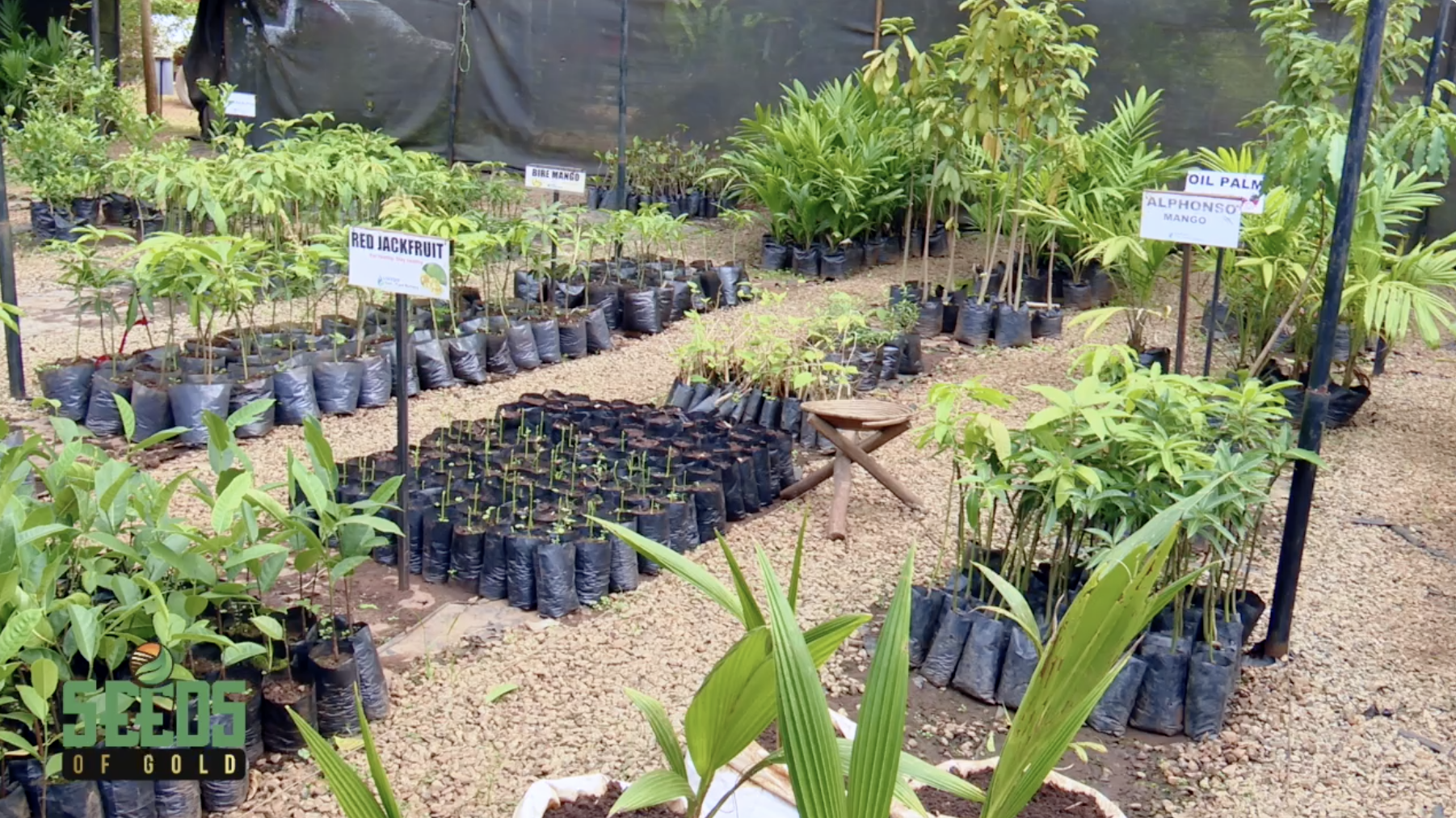




At Uwepo in Jinja, Uganda, something small is producing something significant. It is a nursery, not the kind lined with baby cots, but rows of carefully tended seedlings sitting in prepared beds, waiting to become the food on someone’s table. NTV’s agricultural programme, Seeds of Gold, returned to this site to examine one of farming’s most underrated disciplines: the art of establishing a productive food nursery.
Most conversations about agriculture jump straight to the harvest. People want to talk about yields, prices, and market access. But seasoned growers understand that what happens in the nursery determines everything that follows. Skip this step or rush through it, and the entire season can unravel before a single crop reaches maturity.
Why the Nursery Matters More Than Most Farmers Admit
A food nursery is, at its core, a controlled environment designed to give young plants the best possible conditions during their most vulnerable stage of life. Seeds germinate, take root, and develop their early structure in nursery beds before they are strong enough to face the unpredictability of an open field. The logic is straightforward: you would not send a newborn out into a storm. Young seedlings deserve the same reasoning.
The benefits extend well beyond simple protection. A well-organised nursery allows farmers to monitor germination rates closely, identify weak or diseased seedlings early, and transplant only the strongest, healthiest plants. This selectivity directly translates into better crop uniformity and, ultimately, improved yields. It also gives growers control over timing, allowing them to plan transplanting around optimal weather windows rather than scrambling to keep pace with unpredictable conditions.
Seed Selection: The Decision That Cannot Be Undone
Everything begins with seed quality. A farmer can prepare the most immaculate nursery bed imaginable, but if the seeds are poor, the effort counts for very little. Quality seeds should come from reputable, certified sources. They should be true to type, meaning they reliably produce the crop variety they are supposed to represent, and free from pest and disease contamination.
Before seeds even touch soil, farmers benefit from a simple float test for certain crops: drop seeds into water and discard those that float, keeping only those that sink. It is a low-tech, high-value trick that filters out hollow, non-viable seeds before any bed preparation begins. Treating seeds with appropriate fungicides or bio-pesticides before sowing adds another layer of protection against soil-borne pathogens that could wipe out a nursery before it properly starts.
Choosing the Right Seed Varieties for Your Region
Not every seed variety suits every environment. Soil type, altitude, average rainfall, and local pest pressure all influence which varieties will perform well. Farmers in Jinja’s climate zone, for instance, need varieties adapted to the specific moisture and temperature conditions of the region. Agricultural extension officers and certified agro-dealers are valuable resources here, and their advice can save a farmer from investing in seeds that were never suited to their land in the first place.
Preparing the Nursery Bed: Structure Is Everything
A properly prepared nursery bed is raised, well-drained, and worked to a fine tilth, meaning the soil is broken down into small, loose particles that allow tender roots to push through without resistance. Raised beds are non-negotiable in areas prone to waterlogging, because stagnant water around seedling roots invites fungal rot and other diseases that kill plants quickly.
The bed should be enriched with well-decomposed organic matter, such as compost or well-rotted manure, to boost soil fertility and improve its water-retention capacity without creating the waterlogged conditions that damage roots. Some farmers also mix in a small amount of topsoil to balance the growing medium, creating an environment that mimics what the seedlings will eventually encounter in the main field, easing the eventual transition.
Width matters too. A nursery bed should be narrow enough that a farmer can reach the centre from either side without stepping onto the bed and compacting the soil. Typically, a width of about one metre works well for most setups, with the length determined by the scale of planting planned.
Spacing and Sowing Depth: Getting the Details Right
Seeds sown too deep struggle to push through the soil. Seeds sown too shallow dry out quickly and fail to establish proper root systems. Each crop variety has a recommended sowing depth, usually tied to the size of the seed itself, with larger seeds planted deeper and smaller ones placed just beneath the surface. Rows within the nursery bed should be spaced to allow adequate airflow between seedlings, reducing the humidity that encourages fungal diseases to spread.
Caring for Seedlings After Germination
Once seeds germinate, the work intensifies rather than eases. Young seedlings need consistent moisture, but farmers must resist the temptation to overwater. The goal is to keep the soil evenly moist, not saturated. Morning watering is generally preferable, giving foliage time to dry during the day and reducing disease risk overnight.
Shade management is another critical consideration. Many crops benefit from partial shade in the nursery during the hottest parts of the day, particularly in regions with intense sunlight. Simple shade structures made from locally available materials can protect young plants from scorching without blocking the light they need for photosynthesis. As seedlings mature, farmers gradually reduce shade to harden them off before transplanting, a process that acclimatises plants to full-sun conditions and reduces transplant shock significantly.
Weeding in the nursery bed requires a gentle touch and regular attention. Weeds compete aggressively with seedlings for nutrients, moisture, and light, and they can harbour pests and diseases. Hand weeding is often the safest approach at this stage, since hoeing risks disturbing delicate root systems that have not yet established firm footholds in the soil.
Knowing When to Transplant
Transplanting too early sends seedlings into the main field before they are physically capable of withstanding field conditions. Transplanting too late means rootbound, stressed plants that struggle to establish after the move. The right moment depends on the crop, but a reliable general indicator is the presence of a strong root system and at least two to four true leaves above the soil surface.
Transplanting should ideally happen in the late afternoon or on a cloudy day. This reduces the immediate moisture stress on seedlings that have just had their roots disturbed. Watering the nursery bed thoroughly the day before transplanting makes it easier to lift seedlings with minimal root damage, and watering the transplanted seedlings immediately after they go into the ground helps them settle into their new home.
The Bigger Picture: Nurseries as a Strategy, Not Just a Step
What the Seeds of Gold visit to Uwepo illustrates is that nursery management is not a preliminary chore to get through before the real farming begins. It is a strategy in its own right, one that experienced growers treat with the same seriousness as any other phase of production. Farmers who invest time and attention at this stage consistently see the payoff at harvest time, through healthier plants, lower losses to pests and disease, and more uniform crops that are easier to manage at scale.
For smallholder farmers across Uganda and beyond, the nursery represents one of the highest-return investments available, requiring relatively little in the way of inputs but delivering outsized results when done right. The practices are not complicated. They reward consistency, observation, and a willingness to pay attention to what plants are actually telling you.
The question worth sitting with is this: if the nursery is where great harvests are born, how many farmers in your community are genuinely treating it that way, and what would change if they did?