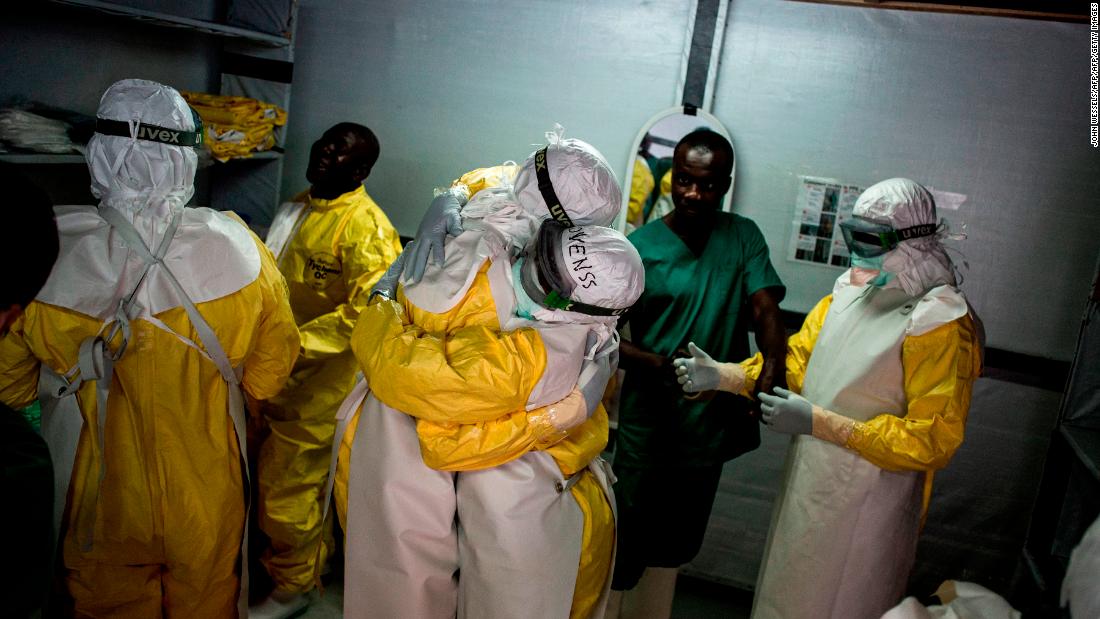



The numbers coming out of the Democratic Republic of Congo this week are staggering. As of September 6, 2026, the country’s health ministry confirmed 6,686 cases of Ebola and 3,226 deaths, making this the second-largest outbreak of the disease ever recorded anywhere on the planet. What makes it especially alarming is not just the scale, but the biology behind it. The culprit here is the Bundibugyo strain of Ebola, a variant that the world’s stockpile of vaccines and treatments was simply not built to fight.
A Crisis That Grew With Terrifying Speed
The outbreak was first declared in May 2026, and from the start, it moved faster than health authorities could comfortably track. According to reporting on the outbreak’s latest figures, the case count crossed 5,000 within just the first 100 days. To put that in context, most Ebola outbreaks take considerably longer to reach those kinds of numbers, if they ever do. The pace here signaled early on that something different was unfolding in northeastern Congo.
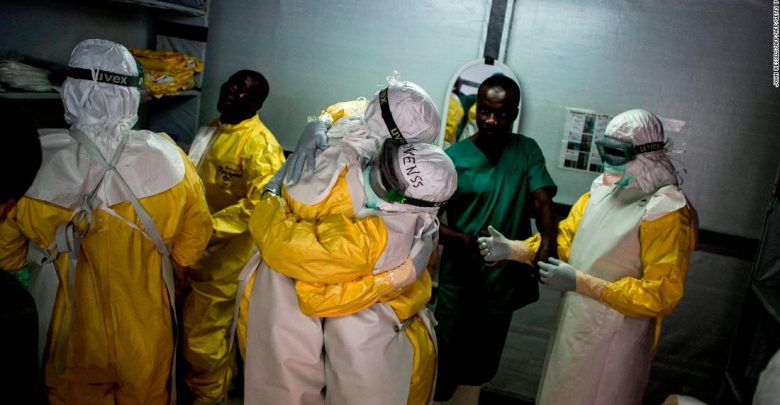
The disease has now touched six provinces and spread across 61 health zones, with Ituri remaining the central hotspot. North Kivu has recently added a new health zone to the affected list, a sign that geographic containment remains a serious challenge. On a more cautious note of optimism, South Kivu has gone 97 days without recording a new confirmed case, and provinces like Tshopo and Bas-Uélé reported no new infections in the previous 24-hour reporting period.
Why the Bundibugyo Strain Changes Everything
Most people who know the name Ebola associate it with the Zaire strain, the variant responsible for the catastrophic 2014-2016 West Africa outbreak that killed more than 11,000 people and the 2018-2020 eastern Congo epidemic that became the second-largest in history at the time. The global health community poured enormous resources into developing vaccines and treatments for the Zaire strain, and those tools proved genuinely effective when deployed at scale.
The problem is that the Bundibugyo strain is a different biological animal. The vaccines that have been used in previous responses, including the rVSV-ZEBOV vaccine that helped turn the tide in eastern Congo from 2018 onward, target the Zaire virus specifically. They offer no meaningful protection against Bundibugyo. This has left health workers and international responders scrambling to adapt a response playbook that was written for a different enemy.
The case fatality rate for this outbreak stands at 48.3%, which is brutally high by any standard, though it is worth noting that Bundibugyo has historically carried a lower fatality rate than the Zaire strain, which can kill upward of 90% of those infected when left untreated. Still, nearly half of confirmed cases resulting in death represents a humanitarian catastrophe unfolding in real time.
What the Recovery Numbers Tell Us
As of the latest update, 1,563 patients have recovered, and 819 remain in isolation or under hospital care. Contact tracing coverage has reached 85.3%, which is a meaningful figure. Robust contact tracing is the backbone of outbreak control, and getting it above 80% is considered a significant operational achievement in environments as logistically complex as northeastern DRC, where armed conflict, remote geography, and community mistrust of health institutions all complicate the work.
The recovery figures also suggest that supportive care, even without a strain-specific treatment, is saving lives. Ebola patients who receive adequate hydration, electrolyte management, and treatment of secondary infections have meaningfully better survival odds. The challenge is getting enough of those resources to enough people fast enough in a region where health infrastructure is chronically underfunded.
International Designation and What It Means
The World Health Organization has classified this outbreak as a public health emergency of international concern, known as a PHEIC. This is the highest alarm level the WHO can sound, reserved for events that pose a risk beyond the borders of the affected country and require a coordinated global response. Previous PHEICs have included the 2014 West Africa Ebola crisis, the COVID-19 pandemic, and the 2022 mpox outbreak.
The designation unlocks additional international funding, expedited regulatory pathways for experimental treatments, and heightened coordination among member states. It also serves as a political signal to neighboring countries to tighten surveillance at border crossings and health facilities. Congo’s own government has classified this as its 17th Ebola epidemic, a grim reminder of how frequently this country has had to confront the disease since the virus was first identified near the Ebola River in 1976.
The Road Ahead
Getting this outbreak under control will require several things happening at once. Clinical trials for Bundibugyo-specific treatments and vaccines need to be accelerated. Community engagement in Ituri and North Kivu needs to deepen, because fear and mistrust can push sick individuals away from isolation centers and into communities, accelerating spread. Logistical corridors into affected health zones need constant reinforcement, especially in areas where conflict between armed groups periodically disrupts humanitarian access.
The 97-day case-free streak in South Kivu offers a template, however hard-won it may be. It shows that with sustained effort, community cooperation, and effective tracing, this outbreak can be pushed back zone by zone. The question is whether the international community will maintain focus long enough and fund the response generously enough to replicate those results in Ituri and the newly affected parts of North Kivu before the case count climbs even higher.
As the world watches one of its most persistent health crises deepen in one of its most vulnerable regions, a critical question hangs in the air: at what point does the global health architecture treat Bundibugyo with the same urgency that drove the rapid development of tools against the Zaire strain, and what will it take to get there before the next outbreak of this strain arrives?