








Australia’s long-running superannuation debate has reignited with fresh heat this week, as One Nation mounts a push to allow workers to divert 3% of their compulsory super contributions toward rent payments or mortgage costs. The proposal, which landed back in the political conversation on September 8, 2026, has drawn sharp criticism from Labor figures who argue it would systematically undermine decades of retirement savings architecture, leaving younger Australians significantly worse off when they finally clock out for good.
What One Nation Is Actually Proposing
The pitch from One Nation is, on the surface, intuitive. Housing costs in Australia have crushed an entire generation. Rents in major cities sit at historically punishing levels, home ownership rates among younger Australians have declined sharply, and the pressure on household budgets is real and daily. So why not, the argument goes, let people use a slice of their own money to ease that burden right now, rather than locking it away until retirement?
The proposal would allow individuals to redirect 3 percentage points of the existing superannuation guarantee, which currently sits at 12%, toward housing costs. On paper, it reads like a lifeline. In practice, according to government figures, the arithmetic tells a very different story.
Labor’s Counter: The Numbers Are Brutal
Treasurer-aligned voices within the Labor government were quick to put a dollar figure on what this policy would actually mean. According to statements made during the day’s political coverage, a 30-year-old who took up the One Nation option would retire approximately $25,000 worse off. For a couple both making the switch, the combined shortfall balloons to around $50,000.
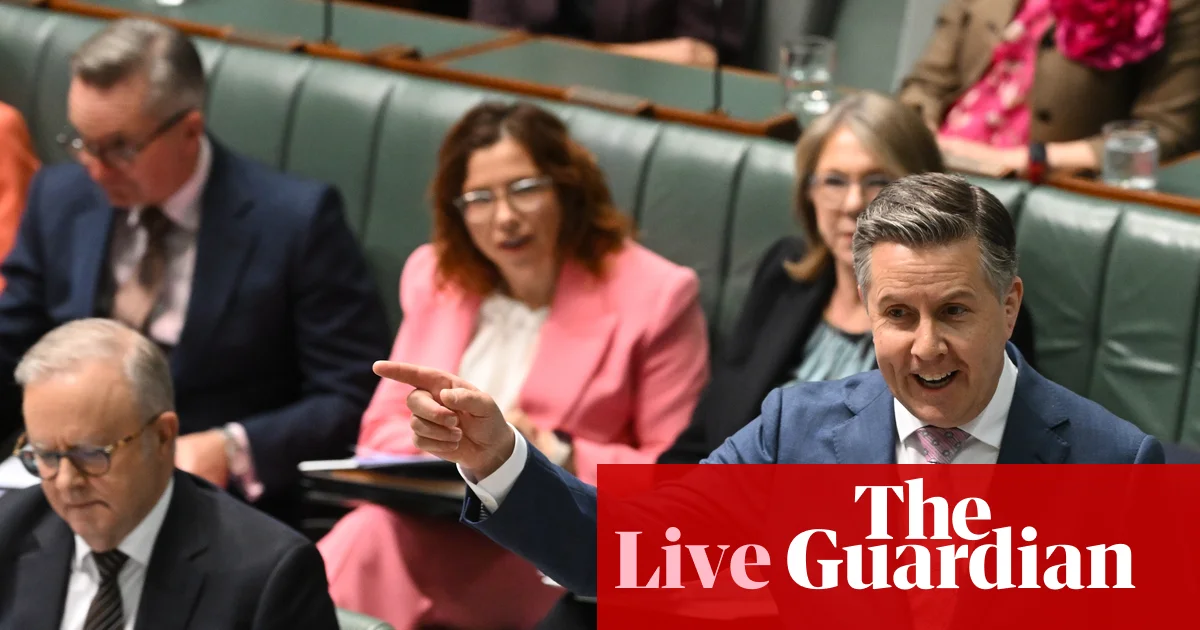
That figure is not abstract. It represents a meaningful chunk of retirement income at precisely the age when Australians are most financially vulnerable, when earning capacity drops, healthcare costs rise, and the safety net matters most. Labor’s Stephen Mulino made the case plainly: it took Australia decades to build the superannuation guarantee up to 12%, a level designed to give retirees genuine financial dignity. Chipping away at that foundation, he argued, risks trading long-term security for short-term relief.
The Dignity Argument
The phrase Mulino reached for, “dignity and security in retirement,” is not just political language. It reflects a real policy philosophy that underpins the entire compulsory super system. When Paul Keating’s government introduced mandatory superannuation contributions in the early 1990s, the explicit goal was to reduce retiree dependence on the age pension by building a private savings buffer over a working lifetime. The 12% guarantee is the product of incremental increases across multiple governments, each one contested and eventually delivered.
Stripping 3 percentage points from that system, even voluntarily, disrupts the compound interest logic that makes super work. The money redirected to rent in your thirties is not just that cash amount. It is every dollar that money would have earned, reinvested, and earned again over three or four decades. The $25,000 shortfall figure captures that compounding loss.
The Opposition Angle: Copying One Nation?
Labor’s Health Minister Mark Butler took a sharper rhetorical swing, accusing the broader opposition of aligning itself with One Nation policy thinking. The Coalition, which has been navigating its own internal tensions over housing and retirement policy, found itself in the uncomfortable position of being linked to a minor party’s proposal that polls suggest has genuine community appeal, even if the economic case against it is strong.
It is a familiar dynamic in Australian politics. One Nation often floats policies that tap real voter frustration, forcing major parties to either adopt, adapt, or loudly reject them. On superannuation and housing, that tension is especially acute because both issues cut across traditional voting blocs.
A Separate Concern: Government Power Over What You Read
Amid the superannuation noise, another thread worth noting emerged from the day’s political debate. Mulino also voiced firm scepticism about giving any government, regardless of which party leads it, the authority to regulate what content individuals access on their phones. It was a notably candid position, suggesting that within Labor’s own ranks there are genuine civil liberties instincts pushing back against the kind of sweeping digital regulation that has been debated across several Western democracies in recent years.
The comment signals that Australia’s political conversation is not purely about dollars and retirement accounts. Questions about digital freedom, media access, and state power are threading themselves into everyday policy debates in ways that would have seemed peripheral just a few years ago.
Why This Debate Matters Beyond Canberra
For anyone under 45 in Australia, this is not an abstract policy argument. The superannuation system is one of the few reliable wealth-building mechanisms available to ordinary workers who will never inherit property or receive a financial windfall. The 12% guarantee, left alone to compound, can genuinely transform financial outcomes in old age. Policies that nibble at that guarantee, however well-intentioned, carry real consequences that often do not become visible until it is far too late to course-correct.
At the same time, the housing crisis is not a mirage. People struggling to pay rent today are not wrong to look for relief wherever it might come from. The policy challenge is finding solutions that do not solve one problem by quietly creating another, larger one thirty years down the track.
The One Nation proposal, whatever its political origins, has forced a useful public conversation about how Australians weigh present hardship against future security. That conversation deserves to be had with clear numbers on the table, not just slogans from either side.
So here is the question worth sitting with: when housing stress is immediate and retirement seems impossibly distant, how should a government help people make choices that genuinely serve them across an entire lifetime, not just through the next rent cycle?