







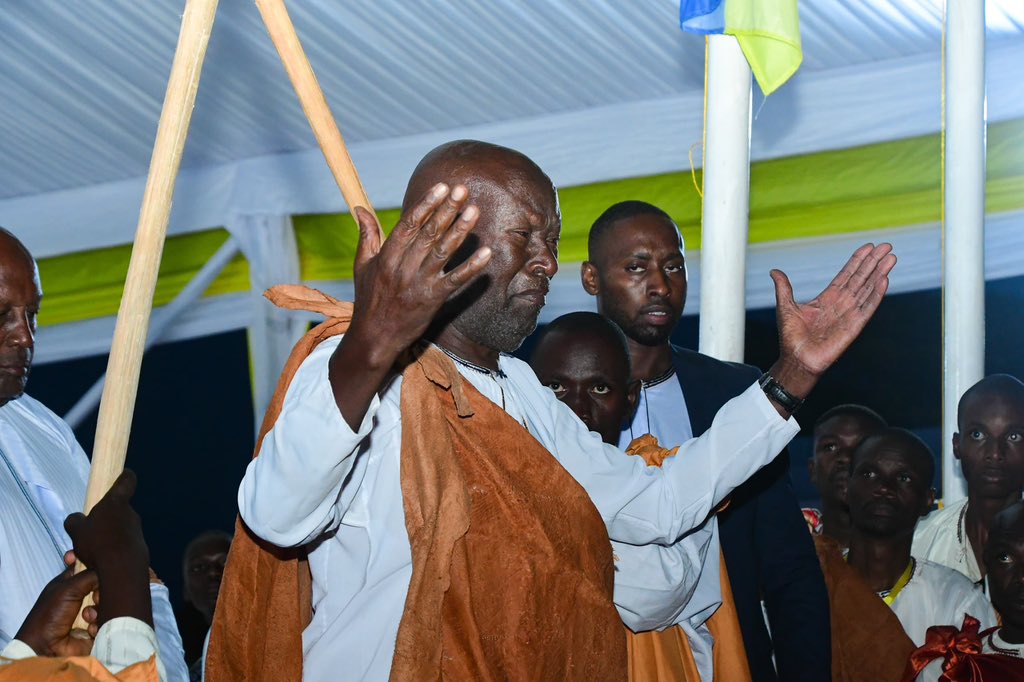
Musuuga Charles Kamurasi, the head of Tooro Kingdom’s Royal Succession Committee, has drawn a firm line in the sand: when Tooro crowns its next king, it will do so through the weight of custom and cultural authority, not through any electoral process. His remarks, delivered with unmistakable clarity, came amid growing public curiosity about how the kingdom will fill the throne left vacant by the sudden death of King Oyo Nyimba Kabamba Iguru Rukidi IV.
A Kingdom in Transition After a King Dies at 34
King Oyo passed away in Texas, United States, at just 34 years old, leaving behind one of Uganda’s most storied royal institutions in a moment of profound grief and uncertainty. The king, who had ascended the Tooro throne as a child and became one of Africa’s most recognized young monarchs, died on August 26, sending shockwaves through the kingdom and across the country.
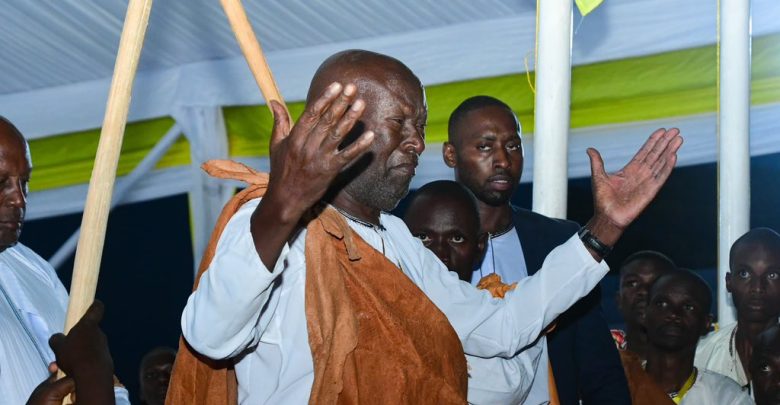
Two days after his death, the Babiito clan, the royal lineage from which all Tooro kings descend, moved swiftly. On August 28, the clan constituted a 21-member Royal Succession Committee, placing Kamurasi at its head. The committee’s mandate is specific and ceremonial in nature: identify the next Omukama, formally present him to key stakeholders, and coordinate the cultural rites that mark a royal transition.
What Kamurasi Actually Said
Speaking publicly, Kamurasi was unambiguous. “We will get a King. Tooro will get a new King in accordance with the Kingdom’s established norms, values and traditions, not through vote. We will not vote for a new King, no,” he said, according to Chimpreports.
The directness of that statement carries real significance. In a political era where democratic language has crept into almost every institutional process, Kamurasi’s words are a deliberate assertion that the Tooro throne sits outside that framework entirely. The kingdom, as its officials have repeatedly stressed, views royal succession as a cultural right, one that belongs to the Office of the Musuuga and is guided by lineage and established custom rather than majority opinion.
The Committee Meets, a Name Emerges
Before Kamurasi’s public remarks, reports had already begun circulating about the committee’s direction. Of the 21 members of the Royal Succession Committee, 18 attended a session held at Fort Motel in Fort Portal City on September 4. Of those present, 15 are said to have backed Prince George Desmond Kamurasi as the preferred successor to King Oyo.
That number, 15 out of 18 attendees, represents a strong showing of internal consensus. Yet Kamurasi’s insistence on framing this as tradition rather than a vote is telling. In the world of African royal institutions, the difference between a deliberative cultural gathering and a formal election is not merely semantic. It goes to the heart of legitimacy. A king chosen by ancestral custom carries a different kind of authority than one chosen by popular mandate, and the kingdom clearly wants no confusion about which model applies here.
Why the Distinction Matters
Uganda’s cultural institutions operate within a complex legal and political landscape. The 1995 constitution permits cultural leaders to exist alongside the state, but prohibits them from engaging in partisan politics. Within that framework, kingdoms like Tooro have worked hard to preserve their cultural autonomy. Allowing succession to be framed as a vote, even informally, could muddy those waters in ways that might invite outside interference or undermine the institution’s cultural standing.
By insisting on tradition as the governing principle, the kingdom protects itself. It signals to the public, to politicians, and to rival interpretations that the path to the throne runs through ancestral protocol, not popular will.
The Queen Mother, the President, and What Comes Next
Queen Mother Best Kemigisa reportedly informed President Yoweri Museveni that King Oyo left behind a son who would serve as heir to the throne. This communication speaks to the diplomatic and institutional relationships that surround Uganda’s cultural kingdoms, where the central government and royal institutions maintain a careful, often choreographed relationship.
What happens next is shaped by customary protocol as much as by anything else. Under Tooro tradition, the formal announcement of the new king cannot happen until after King Oyo’s burial. And critically, only the Musuuga holds the authority to make that announcement publicly. No other figure, regardless of rank or relationship to the royal family, can perform that specific act.
Patience as a Cultural Value
That insistence on sequencing, on burial before announcement, on the Musuuga speaking before anyone else, reflects something deeper about how the Babiito tradition understands power and legitimacy. These are not bureaucratic delays. They are the architecture of a cultural system that has survived colonialism, political upheaval, and generational change by holding its forms sacred.
Prince George Desmond Kamurasi may well be named the next Omukama of Tooro. The internal signals point in that direction. But the when and how of that announcement will happen on the kingdom’s own terms, in accordance with its own calendar, and voiced through its own authorized voice.
A Throne That Belongs to History
Tooro Kingdom, located in western Uganda and centered on the city of Fort Portal, has long held cultural significance in the region. Its kings have historically been drawn from the Babiito dynasty, a lineage with roots stretching back centuries. King Oyo himself became Omukama at the age of three in 1995, making him one of the youngest monarchs in the world at the time. His reign spanned more than three decades, and his death at 34 closes a chapter that defined a generation’s understanding of what Tooro royalty looks like.
The kingdom now stands at one of its most delicate transitions. A young monarch gone too soon, a succession process unfolding under the gaze of a curious and sometimes impatient public, and a committee doing its best to honor both urgency and tradition simultaneously. Kamurasi’s message to the outside world is plain: trust the process, because this process is older and more durable than any ballot.
As Tooro prepares to lay King Oyo to rest and turn its attention to the future, one question lingers for anyone watching closely: in a world that increasingly measures legitimacy through participation and popular choice, can the quiet authority of ancestral tradition continue to command the respect it always has?