









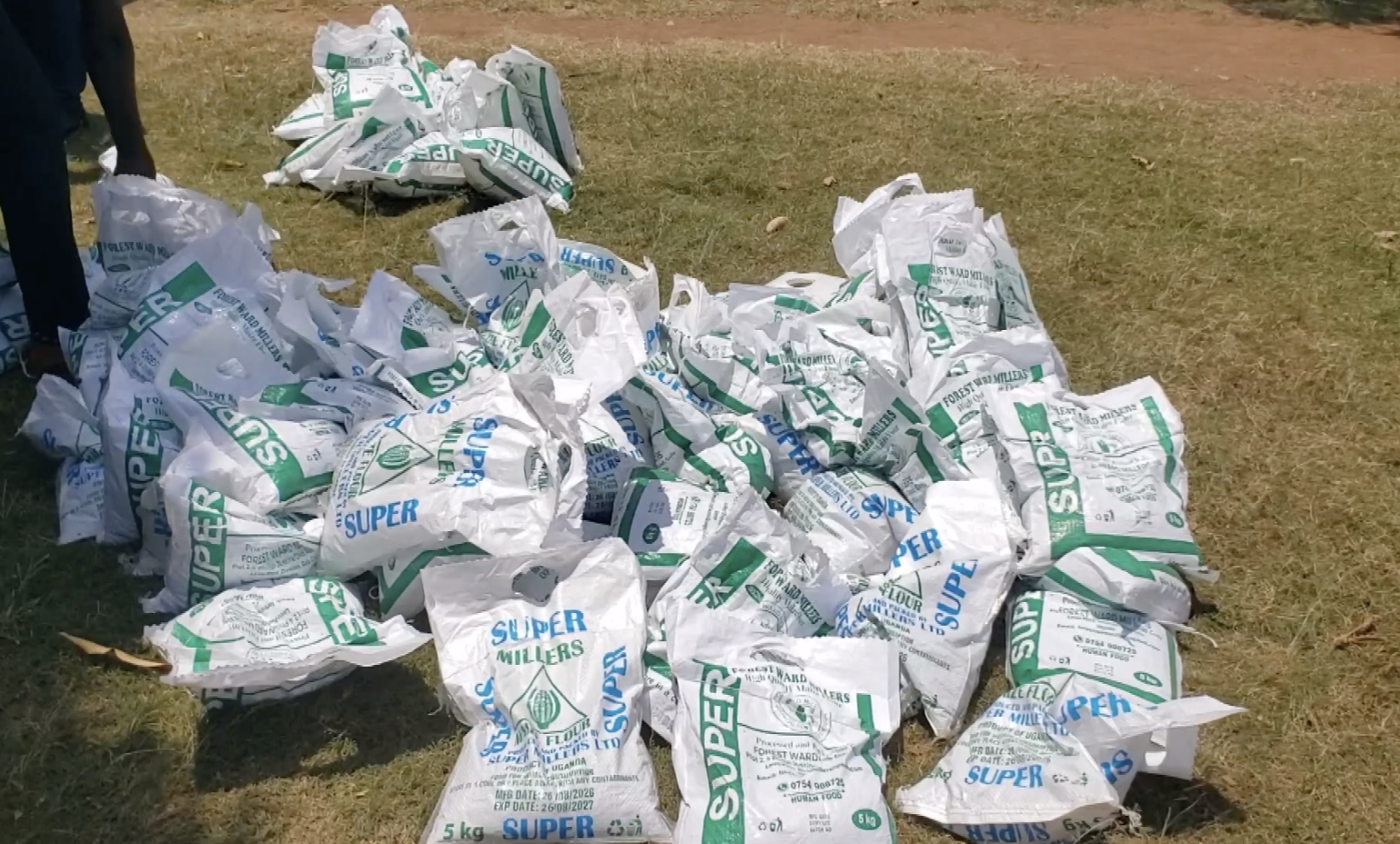
Two hundred women in Wol Town Council, Agago District, are eating today because a microfinance institution decided that hunger could not wait for bureaucracy. ASA Microfinance Limited has delivered food relief to the group, all of them caught in the grip of a prolonged drought that has stripped northern Uganda’s planting season down to a waiting game with no clear end.
A Region Held Hostage by Dry Skies
Agago District sits in the Acholi sub-region of northern Uganda, a part of the country that has historically carried more than its share of hardship. Decades of conflict followed by slow recovery left communities in the area structurally vulnerable, and now a stubborn dry spell is pressing on wounds that never fully closed. When rains disappear, so does the possibility of planting. When planting disappears, so does the harvest. The chain reaction is brutal and fast, and it is women, typically the primary food producers in rural Ugandan households, who absorb the first and hardest shock.
The situation in Wol Town Council is a sharp illustration of that reality. These 200 women are not waiting for a handout as a lifestyle. They are waiting for conditions that allow them to do the work they know how to do: grow food. The relief they have received is a bridge, not a destination.
What ASA Microfinance’s Intervention Actually Means
ASA Microfinance Limited is primarily known as a financial services provider, offering credit and savings products to low-income clients across Uganda. The decision to pivot toward direct food relief in Agago speaks to something the numbers on a balance sheet rarely capture: the understanding that a client who cannot eat cannot repay a loan, start a business, or build anything at all.
According to NTV Uganda’s coverage of the relief distribution, the food support is specifically designed to sustain the women while they wait for rains that will allow them to plant food crops. That framing matters. This is not charity disconnected from productivity. It is a calculated effort to keep farmers alive and functional until the season turns.
For microfinance institutions operating in agrarian communities, climate variability is no longer a peripheral concern. It is a core business risk. Droughts wipe out the collateral that rural borrowers can offer, which in most cases is their expected harvest. When crops fail before they are even planted, the ripple moves outward fast, touching loan repayments, household nutrition, children’s school attendance, and the mental health of mothers carrying impossible loads.
The Gendered Weight of Food Insecurity
It is worth pausing on why this intervention specifically targets women. In most of Uganda’s rural north, women manage the household food supply from planting to the pot. They decide what gets grown, tend the gardens through the season, and manage the storage and cooking afterward. When a drought hits, their labor becomes the emergency response. They are the ones walking further for water, skipping meals so children can eat, and negotiating whatever is available in local markets to keep families fed.
That invisible labor rarely gets counted. The 200 women in Agago receiving food relief represent a much larger network of dependents, children, elderly relatives, and in some cases grandchildren left in their care. Feed the woman at the center of that network and you feed the whole web around her.
There is also a longer-term calculus at play. Women who maintain their nutritional health through a crisis are better positioned to plant aggressively when the rains finally arrive. They carry the knowledge of which seeds to use, which soils respond to what, and how to maximize a short growing season. Keeping them functional is as much an agricultural strategy as it is a humanitarian one.
Northern Uganda’s Climate Story Is Getting Harder to Ignore
Uganda as a whole has experienced increasingly erratic rainfall patterns over the past decade, a trend that climate scientists link to broader shifts in regional weather systems compounded by deforestation and land degradation. For the Acholi sub-region, which includes Agago, the dry spells tend to be longer and the rainy seasons shorter and less reliable than communities have historically depended on.
This is not a one-off crisis. It is a pattern, and communities in northern Uganda are building an unfortunate familiarity with it. The risk is that each successive drought leaves households a little more depleted than the last, with fewer seeds saved, less livestock in reserve, and thinner margins to absorb the next shock.
What organizations like ASA Microfinance are doing in Wol Town Council is critical precisely because it addresses the immediate need without abandoning the longer view. Keeping women farmers alive and ready to plant is the most practical form of agricultural investment available right now.
What Comes Next
The women of Agago are watching the sky. They know their land. They know what a good rain looks like when it finally comes rolling in from the north, the smell of it before the first drops, the way the soil responds within hours. When that moment arrives, they will be in their fields.
The question that lingers beyond this particular relief distribution is a bigger one: how do rural communities in drought-prone areas of Uganda build enough resilience to reduce their dependence on emergency interventions every time the rains are late? Irrigation infrastructure, drought-resistant seed varieties, water harvesting systems, and consistent early warning tools are all part of that answer, but they require sustained investment and political will that moves as fast as the hunger does.
For now, 200 women in Agago have food on the table. That is not a small thing. It is, in fact, everything. But it raises a question that Uganda’s policymakers, development partners, and private sector players cannot keep deferring: how long before the country builds systems that catch farming communities before they fall, rather than after?