








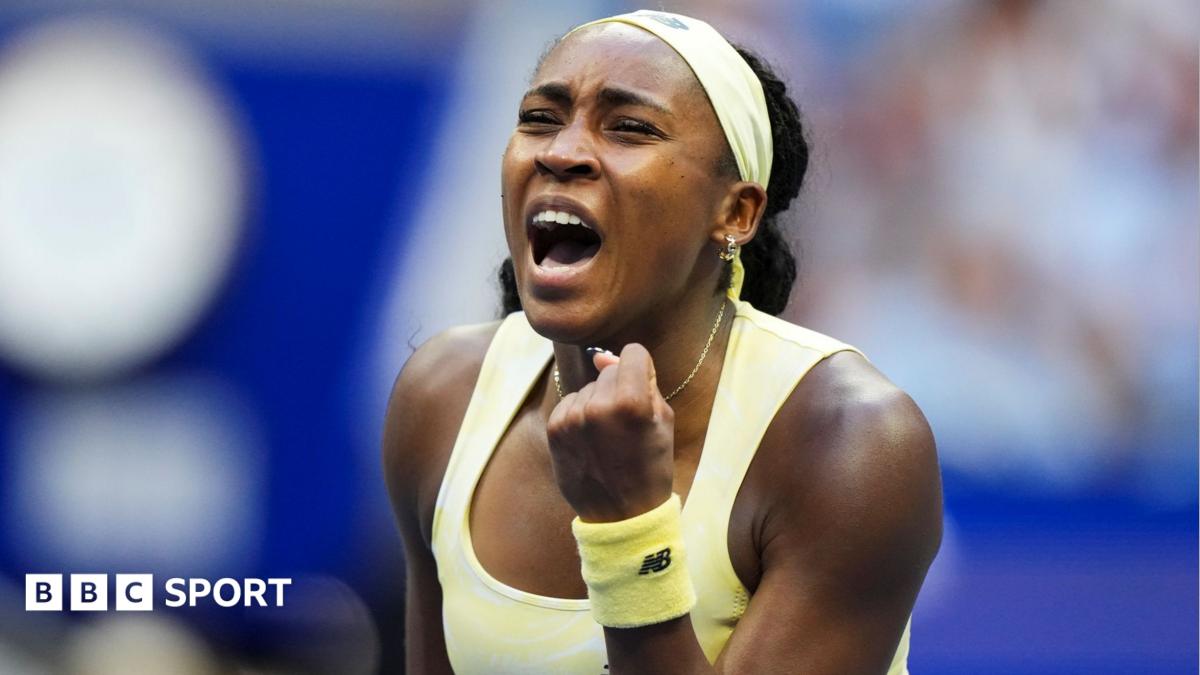
New York has a way of sorting the nerves from the steel, and on Saturday at Flushing Meadows, the sorting was unambiguous. Coco Gauff, the 22-year-old who already owns this tournament in a way few players her age ever have, moved into the fourth round of the 2026 US Open with a 6-3, 6-4 win over Spain’s Cristina Bucsa. Around her, though, the American story got considerably messier. Madison Keys and Amanda Anisimova, two players with real pedigree at this event, were sent home, leaving the home crowd with mixed feelings heading into the second week.
Gauff Does What Champions Do
It was not her cleanest match, and Gauff would probably be the first to admit it. Bucsa is no pushover, and there were passages of play where the Spaniard made the defending champion work for every point. But that, in many ways, is the mark of a serious title contender: you find a way through even when the tennis isn’t flowing beautifully. Gauff found a way, closing out the match in straight sets and keeping her bid for a second US Open title very much on track.
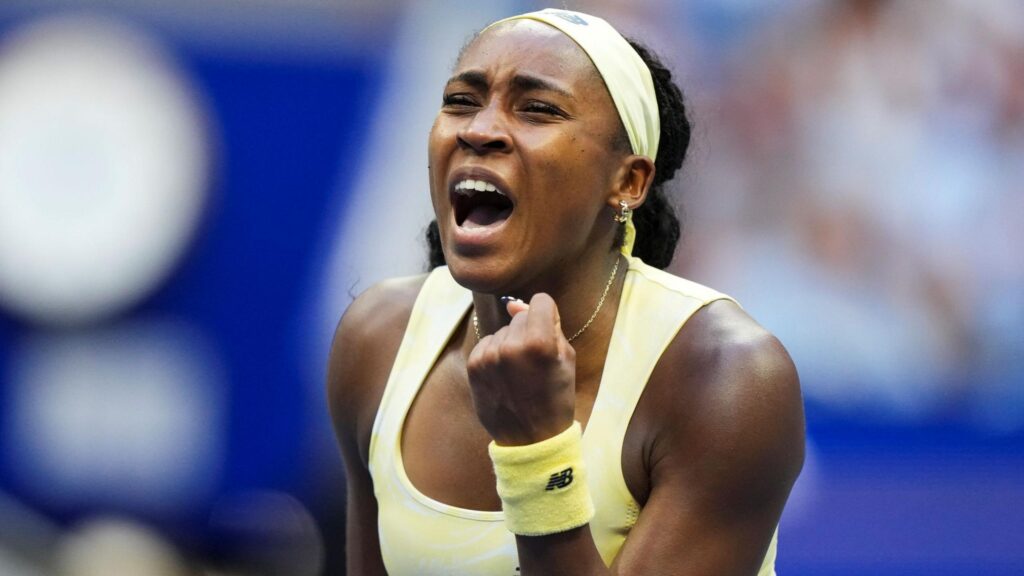
Consider the scale of what she has already built at this tournament. According to BBC Sport’s coverage of the day’s action, this marks the 19th time in her career that Gauff has reached the fourth round of a Grand Slam. That is a figure that speaks to extraordinary consistency for a player still in her early twenties. She is also now through to the second week at her home major for a fifth year running, a streak that places her among the most dependable performers in the women’s game right now.
The history around her name at this tournament is worth pausing on. When Gauff won the US Open in 2023, she became the first American teenager to claim the title since Serena Williams did it back in 1999. The weight of that comparison could crush most young athletes. Gauff, it seems, wears it like a training vest.
Keys Collapses from a Commanding Position
If Gauff’s match was a study in composure, Madison Keys’ third-round exit was the opposite. Keys had carved out what looked like an unassailable position against China’s Zheng Qinwen, leading 5-0 in the third set with a match point in hand. From there, the collapse was stunning. Zheng clawed back, erased the deficit, and eventually took the match, sending Keys out of a tournament she clearly wanted to win.
Keys herself described feeling “scared” during that period, which is a disarmingly honest admission from a seasoned professional. The psychological dimension of elite sport rarely gets discussed this openly, and Keys’ candour is worth respecting. But the reality is that from 5-0 up with a match point, the result is one that will sting for a long time.
Zheng Qinwen, for her part, produced one of the more remarkable comebacks of this year’s tournament. Going from a point away from elimination to securing a fourth-round place is the kind of performance that underlines why she is one of the most dangerous players in the draw.
Anisimova’s Title Challenge Ends in Straight Sets
Amanda Anisimova, who reached last year’s final in New York, had no such dramatic narrative to point to. Her exit came in straight sets, a clean loss that offers fewer excuses and arguably more questions. After making the final in 2025, Anisimova came into this tournament carrying genuine expectations. The third round was not where anyone expected her run to end.
Still, the broader American picture at this year’s US Open is not gloomy. Five American women will compete in the fourth round: Gauff, Jessica Pegula, Taylor Townsend, Emma Navarro, and teenager Iva Jovic, who won her match later on Saturday to complete the quintet. That kind of depth in the women’s draw is something American tennis has been building toward for years, and it looks very real right now.
The Men’s Draw: An American Takeover in the Making?
The women are not the only Americans making noise. On the men’s side, Ben Shelton, Frances Tiafoe, Tommy Paul, and Alex Michelsen have all advanced to the fourth round. With Learner Tien still scheduled to play, there is a real possibility that Americans could feature in five of the eight fourth-round matches in the men’s draw. That would be a remarkable showing in the home major and a signal that American men’s tennis is back as a genuine force at the Slams, not just a story waiting to be written.
What the Women’s Draw Looks Like Now
With Zheng Qinwen through after her extraordinary comeback and five Americans in the last 16, the women’s fourth round is shaping up to be genuinely competitive. Gauff enters as the form player and the reigning champion, but the draw is hardly a formality. Pegula has long been capable of going deep, Navarro has been one of the more exciting young players on tour, and Townsend’s game can cause problems for anyone on her day.
Jovic’s presence adds another layer of intrigue. As a teenager winning at a Grand Slam, she joins a very select group, and the crowd in New York will be watching her closely to see whether she can push further into the tournament.
The City, the Pressure, and the Player Who Handles Both
There is something specific about the US Open that separates it from the other majors. The noise, the atmosphere, the weight of home expectation: it gets to people. It has gotten to far more experienced players than Keys and Anisimova before them. What makes Gauff’s continued success at Flushing Meadows so striking is precisely that she operates in the eye of that storm without appearing to flinch. Since 2022, she has reached the second week every single year. In 2023, she won the whole thing.
The 2026 edition is still very much alive for her. The question now, as the tournament heads into its most critical phase, is whether Gauff can go all the way again or whether one of the other four Americans in the draw will spoil the script and write their own.
With the fourth round just days away and the draw wide open, here is what we want to know: can Coco Gauff make history with a second US Open title, or is this the year one of her American rivals finally steps out of her shadow? Drop your prediction in the comments below.