









September 2026, and the technology world is refusing to slow down for anyone. In Cologne, Germany, the curtain has just fallen on Gamescom, the annual gathering that makes every other gaming event look like a school science fair. Meanwhile, back in California, a company with serious ambitions is quietly engineering what might become the most important structure ever placed in low Earth orbit. Two very different stories, one shared momentum: the future is being built right now, and it does not wait.
Gamescom 2026: Where the World Came to Play
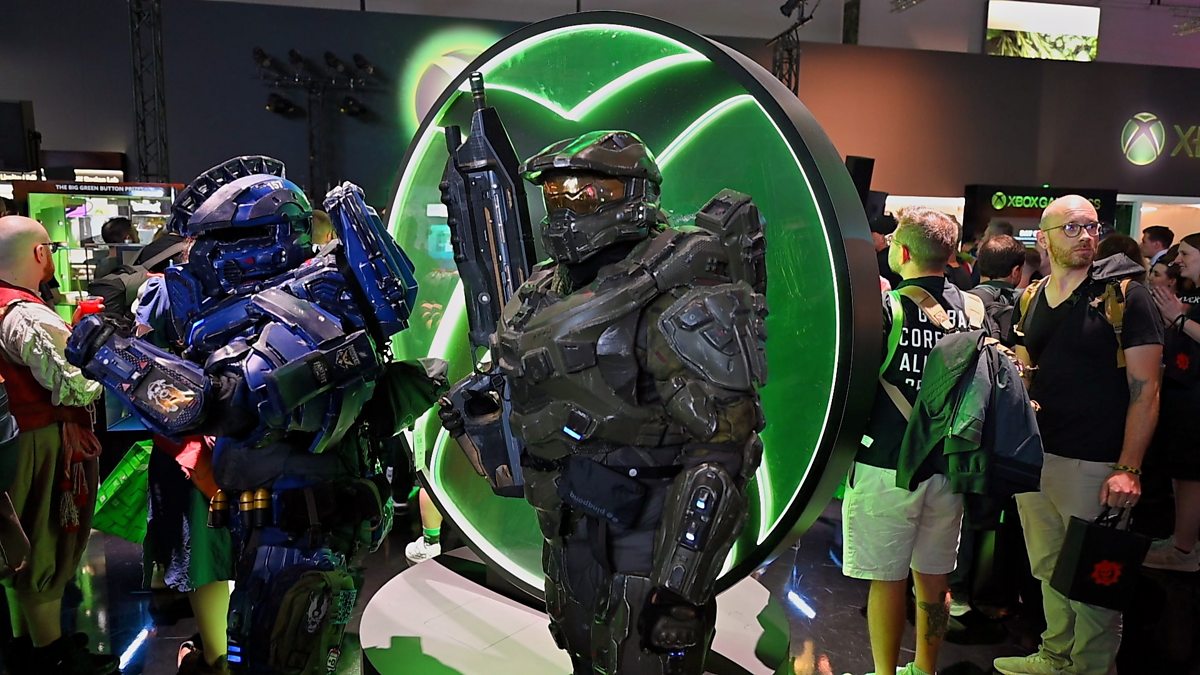
If you needed proof that gaming has cemented itself as the dominant force in global entertainment, Gamescom delivered it by the truckload. The Cologne trade fair, which has long held the title of the world’s biggest gaming convention, once again pulled hundreds of thousands of visitors through its doors, with industry insiders, streamers, journalists, and passionate fans descending on the Rhine to witness what the next generation of interactive entertainment looks like.
Laura Cress brought viewers the highlights in the BBC’s Tech Now coverage, capturing the spectacle of a convention that grows more ambitious with every passing year. What started decades ago as a European counterpart to American trade shows has evolved into something genuinely global, attracting publishers, developers, and hardware makers who understand that this floor space is where trends are born.
This year’s edition carried a particular charge. The gaming industry, after navigating a turbulent few years of studio closures, layoffs, and heated debates about artificial intelligence in game development, arrived in Cologne with something to prove. And by most accounts, it proved it. New titles from major franchises generated the kind of crowd reactions that remind you why in-person events still matter in a world saturated with digital reveals and livestreams. There is simply no algorithm that can replicate the sound of tens of thousands of people losing their minds simultaneously over a game trailer.
The Hardware Arms Race Heats Up
Beyond the games themselves, the hardware conversation dominated the convention floor. With next-generation peripherals, increasingly powerful handheld devices, and VR headsets that are finally crossing the threshold from novelty to genuinely compelling, the tools available to players in 2026 look nothing like what existed even three years ago. The push toward more immersive, more seamless experiences has every major manufacturer in a full sprint, and Gamescom served as the finishing line for several major product announcements that had been rumoured for months.
The social dimension of gaming also commanded significant attention. Cloud gaming infrastructure has matured enough that the gap between owning expensive hardware and accessing cutting-edge titles has narrowed dramatically, raising genuine questions about where gaming’s audience ends and where mainstream entertainment begins. The honest answer might be: nowhere. They are the same thing now.
California’s Bet on the Future of Space
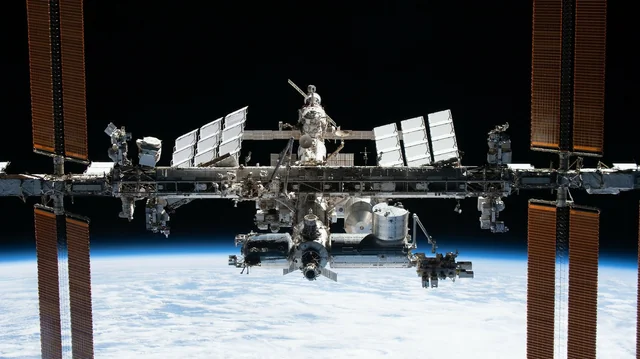
Shift your gaze upward and the story gets even bigger. Lily Jamali went behind the scenes at a California-based company racing to develop a replacement for the International Space Station, and the picture she found was one of extraordinary urgency mixed with extraordinary ambition.
The ISS, that remarkable feat of international cooperation that has kept humans continuously in orbit since the year 2000, is not going to last forever. NASA and its international partners have long acknowledged that the station has a finite lifespan, with current projections pointing toward a controlled deorbiting sometime in the early 2030s. That window is uncomfortably close, and the question of what fills the void left behind is one of the most consequential in modern science and geopolitics alike.
Private Industry Steps Into the Void
Enter the private sector. Several American companies have positioned themselves as candidates to build and operate the next generation of orbital platforms, arguing that commercial space stations can be built faster, run more efficiently, and serve a broader range of customers than any government-funded programme. The California company featured in the BBC’s reporting represents exactly this school of thought, working at a pace that reflects the ticking clock above their heads.
What makes this particular race so compelling is not just the engineering challenge, significant as that is. It is the philosophical shift it represents. For most of human spaceflight history, the idea of a private company owning and operating a space station would have sounded like science fiction. Today it is procurement policy. NASA itself has committed funding through its Commercial Low Earth Orbit Destinations programme to help multiple private ventures get their platforms off the ground, quite literally.
The stakes extend well beyond national prestige. A gap in continuous human presence in low Earth orbit would set back decades of research in medicine, materials science, and fundamental physics. Microgravity research has already contributed to developments in drug therapies, manufacturing processes, and our understanding of human biology that would never have been possible on the ground. Losing that research environment, even temporarily, carries real costs that are difficult to quantify but impossible to dismiss.
Two Industries, One Shared Urgency
What connects a gaming convention in Germany and a spacecraft manufacturer in California is more than just a tech news segment. Both represent industries operating with an acute sense of possibility and pressure at the same time. Gaming knows its audience is global, its competition is fierce, and the window to capture attention is brutally short. The space sector knows that orbital infrastructure is not something you can simply pause and resume. Momentum, in both fields, is everything.
The conversations happening at Gamescom booths and inside California clean rooms share a common thread: the people doing the work genuinely believe they are building something that will matter. That belief, naive as it might sometimes appear from the outside, tends to be exactly the fuel that moves things forward.
As the tech landscape of 2026 continues to shift beneath our feet, the question worth sitting with is this: which of today’s seemingly audacious bets, the immersive gaming worlds or the privately operated space stations, will look like the obvious, inevitable choice when we look back ten years from now?