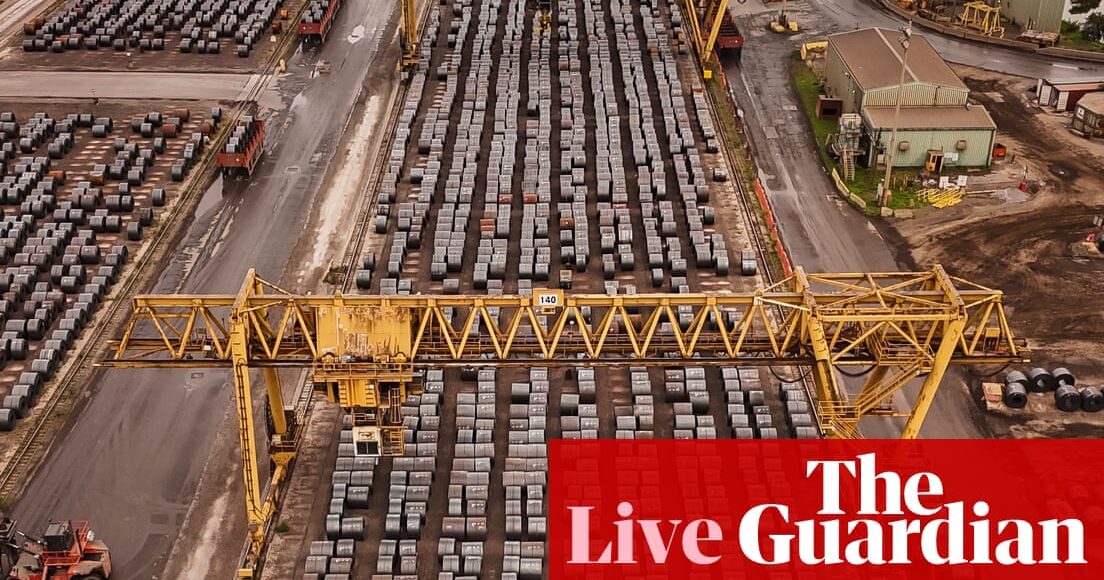
Donald Trump fired his most aggressive trade salvo at Canada yet on August 24, 2026, announcing plans to impose a 50% tariff on Canadian cars, trucks, auto parts, and steel, effective January 1, 2027. The move came days after trade negotiations between Washington and Ottawa broke down completely, leaving the world’s longest undefended border suddenly feeling very contentious indeed.
What Trump Actually Said
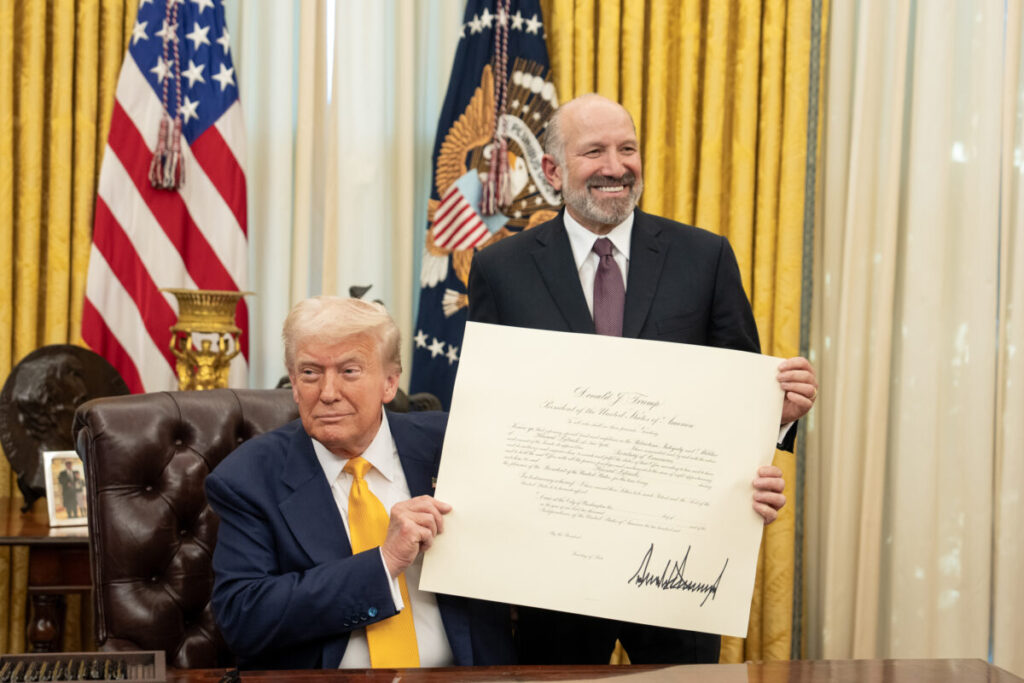
The announcement arrived the way so many of this administration’s major policy shifts do: via Truth Social, without ceremony, and with unmistakable aggression. Trump called Canada one of the worst nations in the world to deal with on trade, accused the country of feeling entitled, and capped the post with a declaration that has become a kind of signature taunt directed at American allies: “WE DON’T NEED CANADA, THEY NEED US!”
The new duties, if enacted, would stack on top of existing trade tensions and represent a dramatic escalation from prior tariff levels. Live coverage of the developments has tracked the rapid deterioration of a relationship that once served as the backbone of North American economic integration.
Why the Automotive Sector Should Be Very Nervous
Cars and auto parts are not minor line items in the Canada-US trade relationship. They are the relationship, or at least one of its most critical arteries. The two countries have spent decades building an integrated supply chain where a single vehicle might cross the border multiple times during assembly. A 50% tariff does not just raise prices at the dealership. It threatens to unravel a manufacturing ecosystem that employs hundreds of thousands of workers on both sides of the border.
For Canadian automakers and parts suppliers, the January 2027 deadline creates an immediate crisis of planning. Do you invest in retooling? Do you absorb the cost? Do you pass it along to American consumers who are already watching prices climb? None of those options are clean, and all of them carry serious economic risk.
Steel is an equally charged category. Canada is one of the United States’ top steel suppliers, and American manufacturers in construction, appliance production, and yes, automotive assembly rely on that supply. Tariffs at this level do not protect American steel workers in isolation. They tend to create ripple effects that raise input costs across the industrial economy.
A Relationship That Has Been Fraying for a While
The breakdown of talks last week did not come out of nowhere. The two governments have been circling contested trade territory for months, with disputes over lumber, dairy access, and industrial subsidies creating persistent friction. What makes this moment different is the scale of the threatened response and the rhetoric attached to it.
Calling a close ally and neighbor one of the worst nations in the world to deal with is not standard diplomatic friction. It signals something more fundamental: a White House that views the Canada-US relationship not as a partnership to be managed but as a leverage point to be exploited. That framing matters because it shapes how Ottawa will calculate its own response.
Canada’s Options Are Limited but Not Zero
Canadian officials have previously demonstrated a willingness to issue retaliatory tariffs when pushed. During earlier trade disputes, Ottawa targeted politically sensitive American goods with surgical precision, hitting products from swing states to maximize domestic political pressure on Washington. That playbook remains available, though the scale of this threat makes matching it dollar for dollar considerably harder.
Canada could also accelerate efforts to diversify trade partnerships, leaning harder into agreements with the European Union and Asia-Pacific nations. That is a longer game, one that does not solve the immediate problem of a January 2027 deadline, but it represents the kind of structural shift that tends to outlast any single administration’s tariff policy.
What This Means for American Consumers
Here is the part of the tariff conversation that often gets lost in the geopolitical noise: someone pays. When import duties rise this sharply on vehicles and the parts that go into them, the cost does not disappear. It redistributes, typically toward the consumer standing in a dealership showroom or the small manufacturer buying steel for a project.
American car buyers have already been navigating a market reshaped by supply chain disruptions, elevated interest rates, and inflation across the broader economy. A 50% tariff on Canadian vehicles and components would add fresh pressure to an already strained market. Analysts who track the auto sector will be watching very carefully to see whether this threat translates into actual policy or becomes a negotiating chip, as some of Trump’s tariff announcements have in the past.
The January 2027 Timeline Is Deliberately Uncomfortable
Setting a deadline roughly four months out is a classic pressure tactic. It gives Ottawa just enough time to feel the economic anxiety without quite enough runway to fully adapt. That window is presumably designed to force concessions at the negotiating table, but it also creates genuine market instability in the interim. Businesses on both sides cannot simply pause investment decisions while they wait to see how this resolves.
The midterm election environment adds another layer of complexity. With American voters watching the economy closely, the administration will need this to either produce visible trade wins or avoid the kind of price shocks that tend to translate directly into political costs at the ballot box.
The Bigger Picture
This is not simply a Canada story. It is a signal about how the current administration understands American economic power and its limits. The argument embedded in Trump’s Truth Social post, that Canada needs the United States more than the reverse, may contain a grain of economic truth in raw GDP terms. But trade relationships are rarely about pure dependency calculations. They are about mutual benefit, predictability, and trust, and all three of those are taking damage right now.
North American economic integration has been one of the more durable features of the post-Cold War order. Whether a 50% tariff threat, if it becomes real policy, begins to genuinely unwind that integration or simply produces a new negotiated equilibrium remains the central question hanging over both capitals.
The answer will say a great deal about where American trade policy is heading, and about what kind of neighbors the United States and Canada are prepared to be. So here is the question worth sitting with: if the world’s most integrated bilateral trading relationship can fracture this quickly over a breakdown in talks, what does that say about the durability of every other alliance built on economic interdependence?