




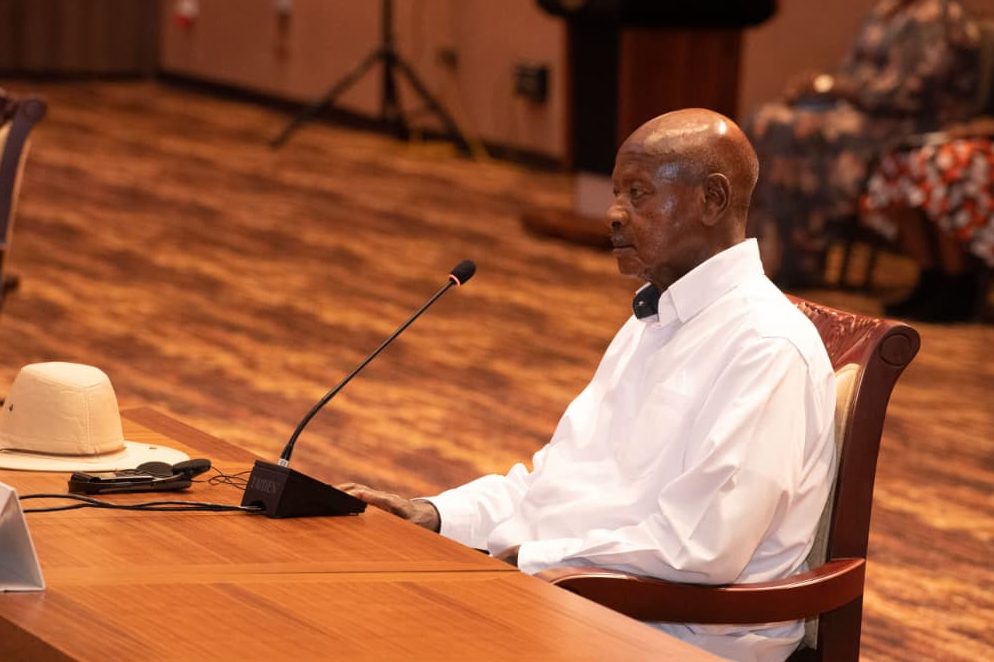




Last week, Uganda’s budget machinery ground through one of its most pointed conversations in recent memory. National planners, local government leaders, Cabinet ministers, and civil society organisations gathered for a series of mandatory discussions, all centred on a single, stubborn problem: public money allocated for local services keeps failing to reach the people it is meant for.
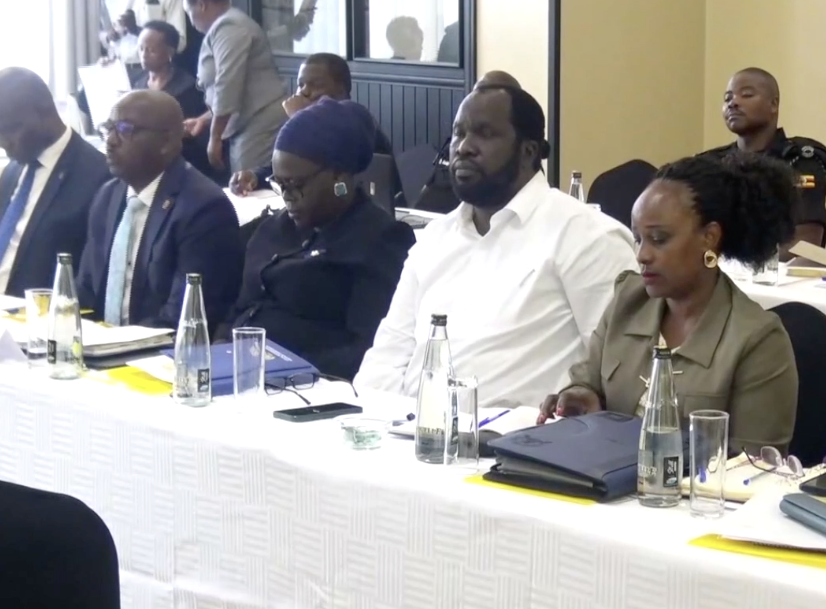
The timing was deliberate. With a new budget cycle on the horizon, stakeholders at every level of government agreed that the usual approach, releasing funds and hoping for the best, was no longer acceptable. The talks, reported by NTV Uganda, represent a broader push to re-strategize how implementation budgets are designed, monitored, and ultimately defended against leakage and misuse.
The Core Problem With Local Government Funding
Uganda operates a decentralised governance structure, meaning that a significant portion of national revenue is transferred to district and municipal governments to finance services like health centres, road maintenance, water supply, and primary education. On paper, it is a sound model. In practice, it has proven porous.
Funds earmarked for rural clinics have ended up financing personal expenses. Road construction budgets have produced roads that dissolve after a single rainy season. Primary school capitation grants have been reported missing at the subcounty level long before they reach individual schools. These are not isolated incidents. They form a pattern that has frustrated development partners, eroded public confidence, and left communities underserved despite rising national budget figures.
The frustration is understandable. Uganda has consistently grown its national budget over the past decade, yet the improvement in local service delivery has remained stubbornly incremental. The disconnect between what is allocated and what is actually delivered has become one of the defining failures of the country’s fiscal architecture.
What Last Week’s Talks Were Actually About
The discussions were not a routine planning session. Describing them as mandatory signals that attendance and engagement were non-negotiable, which itself suggests a recognition that voluntary coordination had not worked well enough. Bringing Cabinet ministers into the same space as local leaders and civil society organisations was a deliberate move to close the gap between policy intent and ground-level reality.
Civil society organisations play a particularly important role in these conversations. Unlike government officials who may have political reasons to downplay service delivery failures, civil society groups often carry data gathered directly from communities, health workers, teachers, and local contractors. Their presence in the room changes the tone of the discussion and makes it harder to paper over systemic problems with optimistic projections.
The negotiations appear focused on implementation budgets specifically, which is a meaningful distinction. An implementation budget is not just about how much money is allocated. It covers the logistics of how funds flow, who authorises expenditure, what documentation is required, and what happens when money cannot be accounted for. Getting that framework right before the budget cycle begins is far more effective than trying to investigate irregularities after the financial year has closed.
Why Corruption Remains the Central Obstacle
Every discussion about local government finance in Uganda eventually circles back to corruption. Not because corruption is uniquely Ugandan, but because the country’s local government structure creates multiple points at which funds can be intercepted, delayed, or diverted without immediate detection.
The chain from the national treasury to a subcounty government office passes through several layers of bureaucracy. Each layer is a potential vulnerability. When oversight mechanisms are weak, underfunded, or staffed by officials who themselves have interests in the outcome, the chain breaks down. Communities get promises. They get ribbon-cutting ceremonies. They rarely get the full service they were allocated.
Curbing this requires more than stern warnings from ministers. It requires structural changes: real-time financial tracking, independent audits with actual consequences, and community-level reporting mechanisms that give ordinary people a way to flag problems without fearing retaliation. Whether last week’s negotiations produced commitments along those lines remains to be seen.
The Role of Civil Society in Holding the Line
Civil society organisations have increasingly positioned themselves as the watchdogs of Uganda’s decentralisation experiment. Budget monitoring, citizen scorecards, and participatory planning forums have all become tools through which non-governmental actors try to close the accountability gap that government structures have been slow to fill.
Their inclusion in last week’s mandatory discussions is a signal, however cautious, that policymakers recognise this role. The more productive question is whether that recognition translates into formal mechanisms, not just a seat at the planning table, but actual authority to flag irregularities and trigger consequences.
What a Better System Could Look Like
Countries that have managed to make decentralisation work tend to share a few characteristics. They maintain strong national oversight while giving local governments genuine administrative autonomy. They publish local budget data in formats that communities can actually read and understand. They enforce penalties for misappropriation consistently, regardless of political connections. And they invest in local capacity so that district officials have the skills and tools to manage funds responsibly, not just the authority to spend them.
Uganda has made progress on some of these fronts. The Integrated Financial Management System has improved financial tracking at the central level. But coverage gaps, connectivity problems, and inconsistent enforcement continue to undermine what the system can achieve at the district and subcounty level.
The talks held last week will only matter if they produce specific, enforceable commitments tied to the new budget cycle. Agreements that live in a meeting report and die in a filing cabinet help no one. The communities waiting for functional health centres, passable roads, and stocked school libraries cannot afford another year of well-worded intentions.
So here is the question worth sitting with: if Uganda’s planners, ministers, and civil society groups all know what the problems are, and they clearly do, what has been stopping them from fixing the system before now, and what is genuinely different this time?