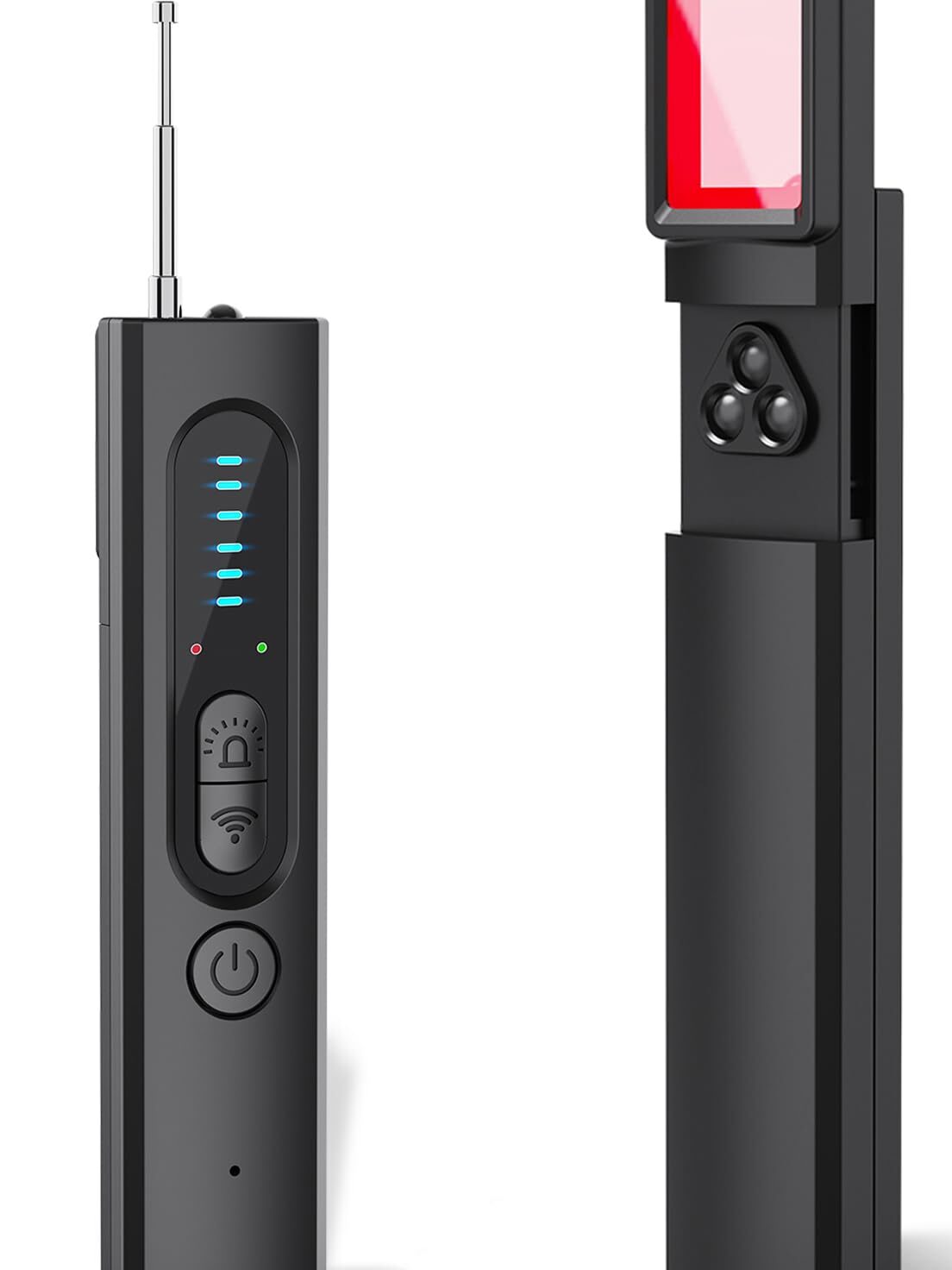
They are marketed with the language of empowerment and safety: small, affordable gadgets that claim to detect hidden cameras, microphones, and tracking devices planted by abusers. For a domestic abuse survivor trying to reclaim their home and their sense of security, these tools sound like exactly what they need. The reality, according to new research, is far more troubling.
A study published this week has found that many commercial detection tools sold to help survivors of domestic abuse identify covert surveillance devices frequently fail at the job they are designed to do. Rather than providing genuine protection, they may instead leave users with a dangerously misplaced sense of security, unaware that they are still being watched, listened to, or tracked.
What These Devices Are Supposed to Do
The consumer market for surveillance detection tools has grown quietly alongside a broader public awareness of so-called “stalkerware” and intimate partner surveillance. These products typically use a combination of methods to hunt for hidden devices. Some scan for radio frequency signals. Others use infrared lens detection to spot the reflective coating found on many camera lenses. Many can scan local networks for connected wifi or Bluetooth devices that should not be there.
On paper, that sounds thorough. In practice, the gap between what these devices advertise and what they actually deliver can be wide enough to put lives at risk. The Guardian’s reporting on the study makes clear that many of these tools simply do not perform reliably when it matters most, leaving victims exposed to ongoing surveillance they believe they have already ruled out.
Why Failure Here Is Uniquely Dangerous
A faulty kitchen thermometer is an inconvenience. A faulty spying device detector, in the hands of someone fleeing coercive control, is something else entirely. Survivors of domestic abuse frequently face abusers who use surveillance as a tool of control, monitoring their movements, conversations, and private moments to maintain psychological dominance even after a physical separation.
When a survivor sweeps a space with a detection device and gets a clean reading, they reasonably conclude the space is safe. They speak freely. They make phone calls to lawyers, to shelters, to family members they have been kept from. They plan. If that clean reading was wrong, every one of those actions could be feeding information back to an abuser. The danger is not abstract. It is immediate and it compounds with every false negative the device produces.
The Problem With Consumer-Grade Technology
Professional counter-surveillance work is a skilled discipline. Trained specialists use equipment that costs substantially more than anything sold on a retail shelf, and they apply methodical techniques that take time and expertise to execute properly. Consumer detection gadgets are, by their nature, simplified versions of these tools, built to a price point and marketed to people who have no technical background in surveillance systems.
Some devices on the market are genuinely better than others. But the research signals a systemic issue rather than a few bad products. The very confidence these tools project, through their packaging, their ease of use, their satisfying beeps and green lights, can be the thing that gets someone hurt. A device that returns a false negative is, in some ways, worse than no device at all, because at least without it, a survivor might remain appropriately cautious.
What Survivors and Support Organisations Should Know
This does not mean survivors should abandon the idea of checking for surveillance devices. It means the approach needs to change. Specialist domestic abuse organisations often have access to trained professionals or can connect survivors with services that use more reliable detection methods. In situations involving a credible threat of covert surveillance, the safest approach is to treat any unverified space as potentially compromised until a proper professional sweep has been completed.
It also underscores why digital safety planning needs to be a core part of any domestic abuse support framework. That means helping survivors understand not just physical surveillance devices but also account monitoring, location sharing through smartphones, and spyware installed on personal devices, which often go entirely undetected by the kind of gadgets this study examined.
The Broader Question of Accountability
There is a reasonable argument that products making specific safety claims, particularly when sold to people in vulnerable situations, should face a higher bar of regulatory scrutiny. If a helmet manufacturer claimed a product met safety standards it did not actually meet, there would be consequences. The consumer surveillance detection market has largely operated without that kind of oversight, and the research emerging now suggests that gap has real-world costs.
Retailers, manufacturers, and the platforms that host these products all have a role to play in ensuring the claims made about detection accuracy are grounded in independent, rigorous testing rather than marketing copy. Domestic abuse charities and support networks should also be equipped to guide survivors away from products that have not been independently validated.
Safety That Is Real, Not Just Reassuring
There is something painfully ironic about a product designed to help the most vulnerable people that ends up compounding their vulnerability. The intent behind these tools is not the problem. The problem is the gap between what is promised and what is delivered, and the fact that this gap exists in a context where the stakes could not be higher.
For anyone supporting a survivor of domestic abuse right now, the most important message from this research is simple: a clean reading on a consumer detector is not proof of safety. Professional advice, specialist support, and verified resources are the only solid ground to stand on.
If you or someone you know is affected by domestic abuse involving surveillance or stalkerware, reaching out to a specialist support organisation is the most reliable first step. Consumer gadgets should not be the last line of defence.
Does the burden of keeping survivors safe from technological abuse fall on individuals buying retail gadgets, or is it time for regulators to step in and demand the industry proves its products actually work?