







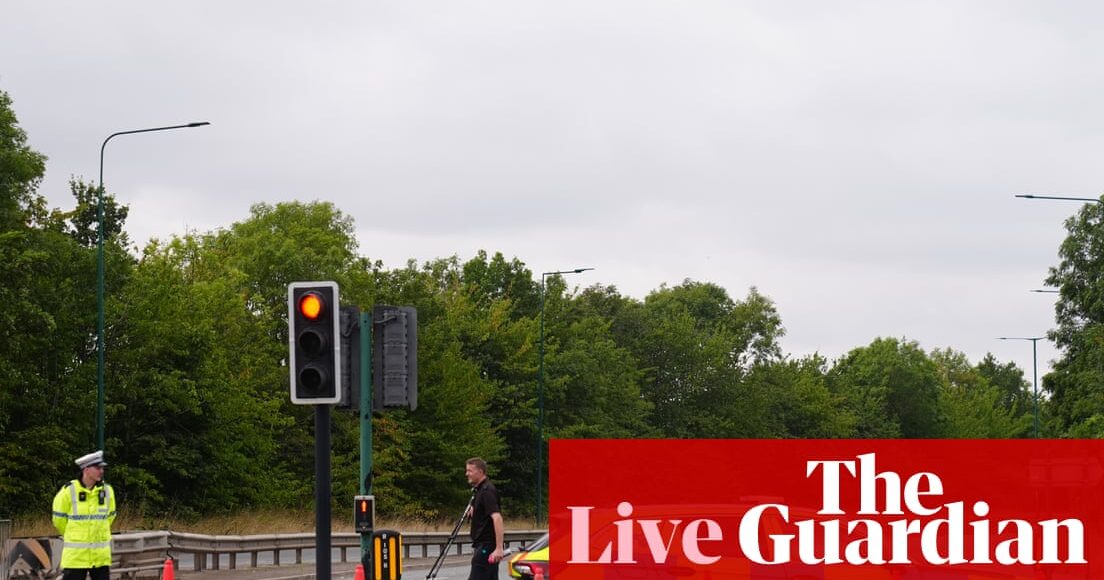
A fatal road crash in Middlesbrough has done what years of online safety advocacy could not: pushed the UK government into directly ordering social media companies, including TikTok, to strip their platforms of videos glorifying driving the wrong way down roads. The directive, issued on August 24, 2026, follows a deadly incident on the A66 and marks one of the most pointed government interventions yet into the content policies of major tech platforms.
What Happened on the A66
The crash on the A66, a major road running through Middlesbrough, has reignited a long-simmering debate about the real-world consequences of dangerous online trends. While police continue their investigation, a defence minister speaking publicly on the matter made clear that the government was not prepared to wait for that process to conclude. The minister acknowledged that officers “need time” to carry out their work, but stressed that the government had already moved to act, telling platforms to remove content that celebrates and encourages reckless driving behaviour.
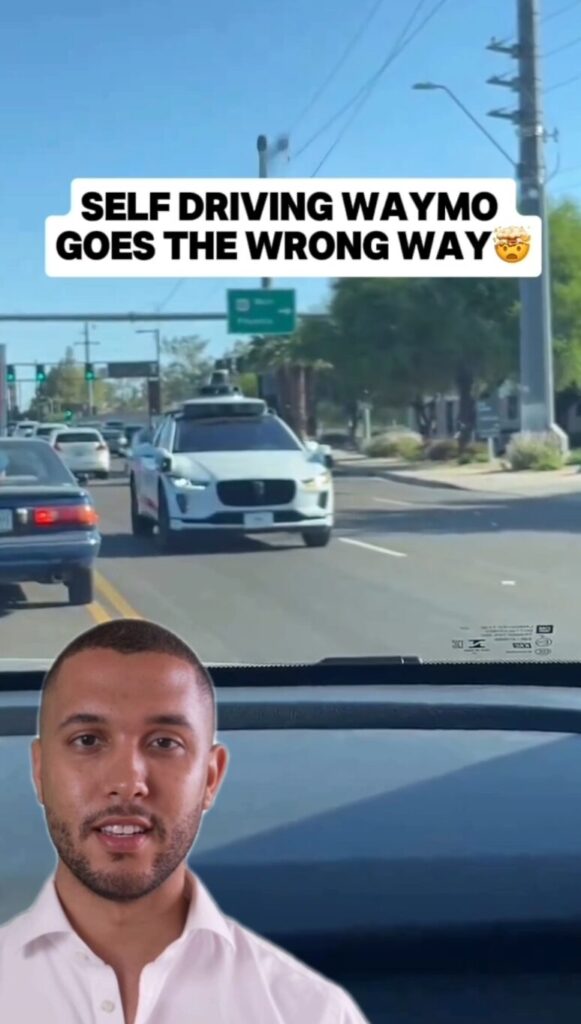
The specific trend at the centre of the controversy shows individuals deliberately driving against oncoming traffic. It is the kind of stunt that looks like a thrill on a phone screen and looks like a tragedy at a crash scene. For communities living near the A66, the distinction is no longer abstract.
TikTok Is Already Under the Microscope
The timing of this government push is not accidental. According to reporting on the government’s response, TikTok is already the subject of an active Ofcom investigation launched in July 2026. That probe centres on whether the platform has adequately protected children from harmful content, a duty enshrined in the UK’s Online Safety Act.
Ofcom, the UK’s communications regulator, has been unambiguous about its appetite for enforcement. The July investigation was opened specifically over concerns that TikTok has not done enough to keep violent material and content promoting dangerous challenges away from younger users. Under the Online Safety Act, this is not optional guidance. These are legal obligations, and failing to meet them carries serious regulatory consequences.
The government’s latest demand slots neatly into that existing legal framework. Content that shows or promotes dangerous driving challenges is precisely the kind of material the Online Safety Act was designed to address, particularly where children might encounter it.
The Bigger Picture: When Trends Become Public Safety Crises
This is not the first time a viral challenge has crossed the line from foolishness into fatality. The wrong-way driving trend follows a familiar and grim pattern: a stunt circulates online, accumulates views, inspires imitation, and eventually someone gets killed. The speed at which these trends spread consistently outpaces the response time of both platforms and regulators.
What makes this moment different is the regulatory architecture now in place. The Online Safety Act gives Ofcom genuine teeth. Platforms can no longer shrug and hide behind arguments about the scale of content moderation. They have legal duties, and the government has made plain it expects those duties to be honoured without delay.
TikTok, for its part, has historically positioned itself as proactive on safety issues, rolling out various content warnings and age restriction tools. But the Ofcom investigation suggests that gap between stated policy and actual practice remains wide enough to drive through, if you will pardon the phrase, at considerable speed.
What Platforms Are Being Asked to Do
The government’s instruction is direct: take down content that glorifies dangerous driving. This applies to TikTok and, by implication, other platforms that host similar material. The ask is not for a review, a working group, or a consultation period. It is for removal, and it comes with the weight of both political pressure and regulatory oversight behind it.
For social media companies, this creates a familiar but uncomfortable choice. Act swiftly and risk accusations of over-censorship from their user bases, or move slowly and face the wrath of regulators and grieving communities. Neither option is comfortable. Both carry costs.
Roads, Reels, and Responsibility
There is something particularly unsettling about the wrong-way driving trend that sets it apart from other dangerous online fads. It does not just endanger the person holding the phone or gripping the wheel. It puts entirely innocent road users in mortal danger. A driver coming the other way has no part in the stunt, no knowledge of it, and no ability to opt out of its consequences.
That asymmetry, the fact that the risk is exported entirely to bystanders, is what makes this trend especially indefensible to host and promote. It also makes the government’s intervention easier to justify politically. No one credible can mount a serious free-speech argument for the right to broadcast content that directly endangers uninvolved members of the public.
The families affected by the A66 crash deserve answers that go beyond police investigations and platform policy updates. They deserve a system in which this kind of content never gets the chance to inspire the next imitation attempt. Whether the Online Safety Act and the current political pressure are enough to build that system is the real test now unfolding.
So here is the question worth sitting with: if it takes a fatal crash to get platforms to remove content they already had legal obligations to take down, what does that say about how seriously tech companies are actually taking road safety, and what will it take before the next tragedy is prevented rather than just responded to?