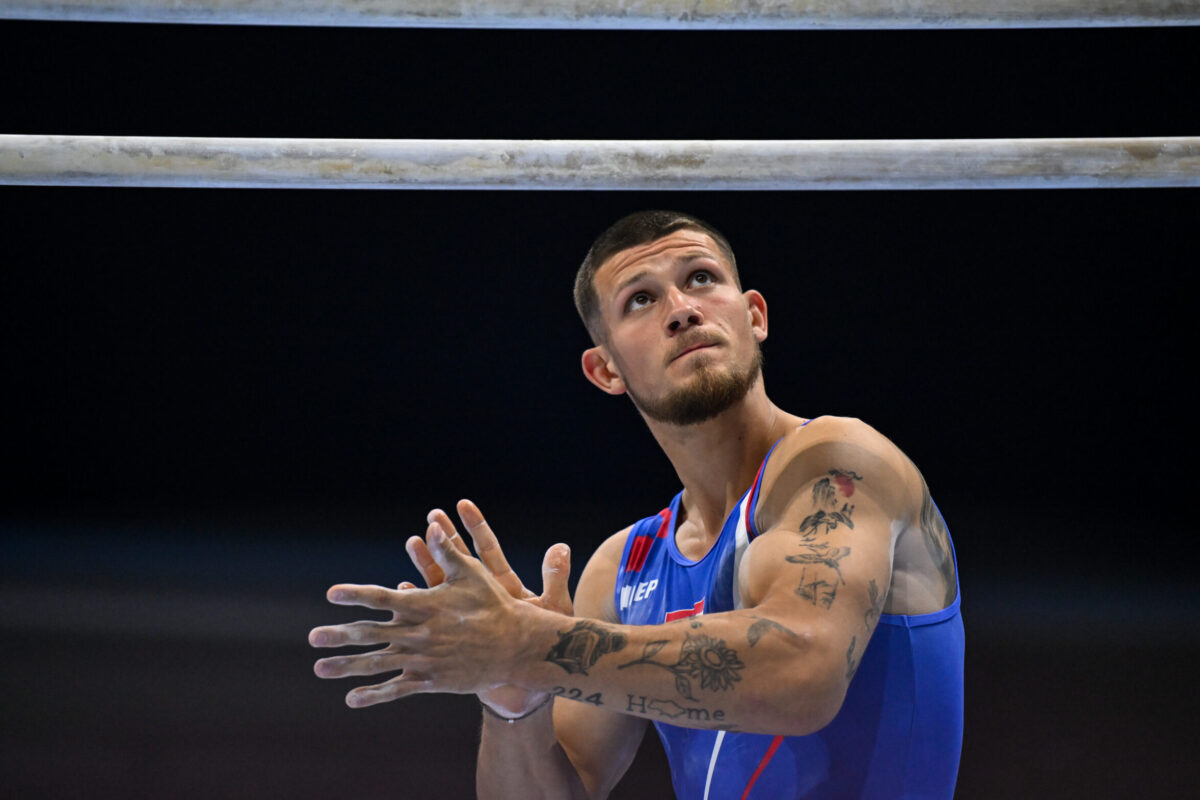
Zagreb is no stranger to world-class sport, but on August 23, 2026, the Croatian capital finds itself at the center of the gymnastics world as the men’s team finals of the 2026 European Gymnastics Championships get underway. Across six apparatus, national squads are pouring everything into routines that could define careers, settle rivalries, and rewrite the continental pecking order heading into the next major global cycle.
Why the Men’s Team Finals Are the Heart of the Competition
Gymnastics is often celebrated through its individual stars, the athletes whose names become shorthand for a signature move or an iconic moment. But the team final is something else entirely. It strips away the solo spotlight and replaces it with collective accountability. Every routine counts. Every wobble is shared. Every clean landing lifts the whole group.
In Zagreb, teams from across Europe have spent months sharpening their lineups, making calculated decisions about who competes on which apparatus, and rehearsing the kind of consistent, high-difficulty performances that separate bronze from gold. The margins in gymnastics team competition can be paper-thin, sometimes fractions of a point, which means the mental composure of each athlete matters just as much as their physical preparation.
Zagreb as a Host City: More Than a Backdrop
Zagreb has built a quiet reputation as a city that takes major sporting events seriously. Its indoor arenas offer the kind of atmosphere that feeds performers rather than intimidating them, and the Croatian public has historically shown genuine enthusiasm for gymnastics at the elite level. For athletes competing far from their home crowds, that warmth from the stands is not a small thing.
The city’s central European location also makes it an accessible destination for travelling supporters from Germany, France, Great Britain, Italy, and beyond. That geographical convenience tends to produce a genuinely mixed crowd, which gives the championships the feel of a continental celebration rather than a home advantage contest.
What to Watch in the Men’s Team Final
The men’s team final covers all six apparatus: floor exercise, pommel horse, rings, vault, parallel bars, and horizontal bar. Each presents its own dramatic possibilities. The pommel horse, historically the apparatus with the highest rate of fall-related scores, has a habit of reshuffling team standings mid-competition. A clean pommel routine from an underdog team can shift the entire trajectory of a final.
Vault, by contrast, tends to reward the teams that have invested heavily in power and technical precision. The top-scoring vaults are not just about height and distance but about the sharpness of the execution in the air and the steadiness of the landing. Judges notice everything, and so does the crowd.
The horizontal bar, as the final apparatus, often doubles as the most theatrical moment of the evening. By that stage, the scores are usually close enough that a single athlete’s release-and-catch sequence can change the medal colour for their entire nation. It is the kind of sporting drama that makes gymnastics one of the most watchable events on any major broadcast schedule.
How to Watch the Action Live
For viewers in the United Kingdom, the BBC is carrying live coverage of the championships. You can watch the men’s team finals live on BBC iPlayer, which streams BBC Two’s broadcast in real time. The platform is free to access for UK licence fee holders and offers the kind of presentation quality that matches the scale of the event.
BBC Sport’s gymnastics coverage has a long track record of bringing expert commentary alongside the visuals, helping casual viewers understand the scoring system and what separates a 14.0 from a 15.5 on any given routine. For anyone new to competitive gymnastics, this is actually one of the better entry points the sport offers: team finals have enough structure to follow along without needing a deep knowledge of the Code of Points.
The Broader Stakes for European Gymnastics
Results at the European Championships carry weight beyond the medals themselves. National federations use performances here to build cases for funding, squad selection, and coaching investments. For younger athletes, a strong showing in Zagreb can accelerate a career trajectory that might otherwise take another two years to develop through lower-tier competitions.
For the sport itself, high-quality team finals broadcast to wide audiences in multiple countries serve as a recruiting tool. Children watching at home who see a teenager stick a difficulty-laden routine on the horizontal bar often want to know how they can start doing the same thing. That pipeline matters. Gymnastics at the elite level depends on a steady stream of athletes who fell in love with the sport through exactly these kinds of televised moments.
The 2026 European Gymnastics Championships in Zagreb represent far more than a regional title fight. They are a barometer of where the continent stands athletically, a platform for the next generation of stars, and for one afternoon in August, the most gripping team sport competition on European soil.
Which nation do you think will claim gold in the men’s team final in Zagreb, and is there a young gymnast you have been watching who you believe could become the face of European gymnastics over the next four years? Share your thoughts below.