





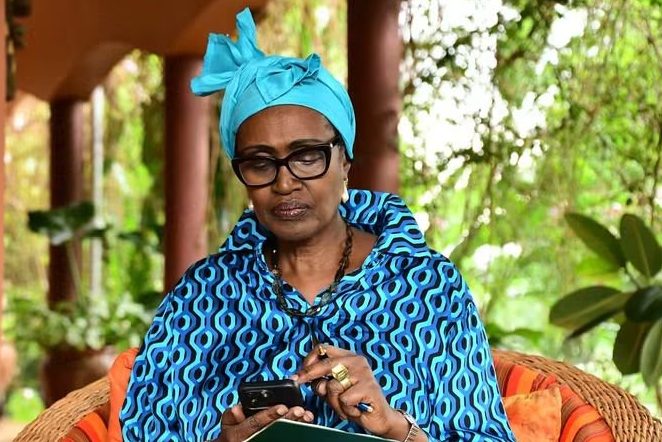
On Saturday, August 15, 2026, Winnie Byanyima, the Executive Director of UNAIDS and one of Africa’s most recognised public health voices, walked out of her home in Kasangati and did something she rarely does: she made it personal. Standing before journalists, she demanded the immediate release on bail of her husband, veteran opposition politician Kizza Besigye, citing a health condition so serious that he can neither walk nor speak without difficulty.
A Hospital Room That Functions as a Prison Cell
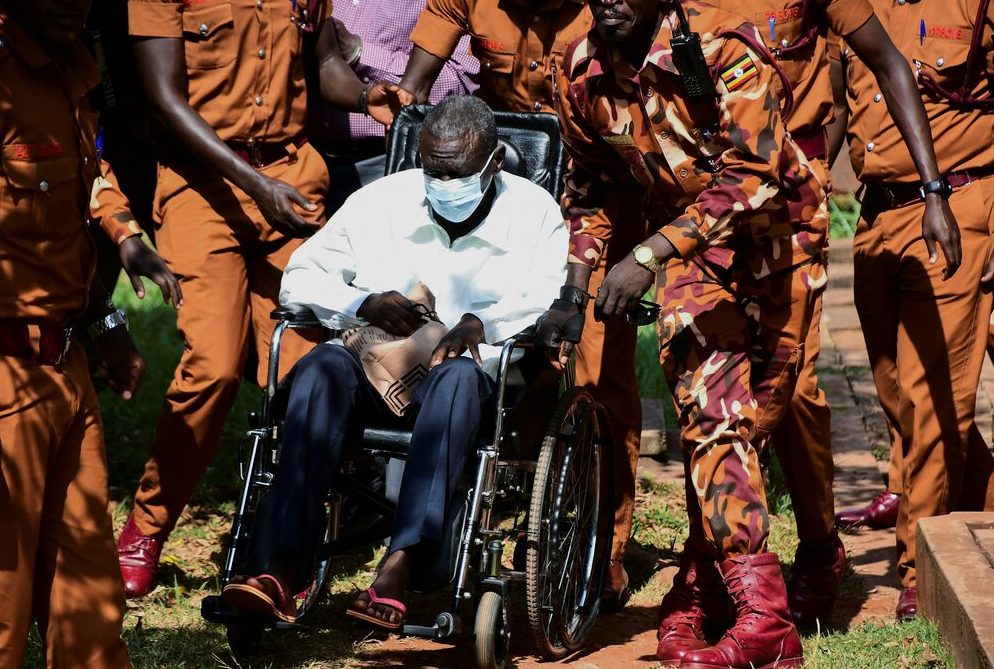
Byanyima’s account of Besigye’s current condition is both stark and alarming. She described him as bedridden, weak, and surrounded at all times by prison warders, even as he lies in a hospital bed. The imagery she painted is difficult to ignore: a man reduced to near-total dependence, his room serving simultaneously as a ward and a holding facility.
“His hospital room is a prison cell,” she told reporters. “Lying in his bed, he’s surrounded by prison warders.”
She confirmed that he remains unable to walk or speak properly, though she added that his recovery, while ongoing, is achingly slow. For a man who built a political career on vocal, physical resistance to authority, the description carries a particular weight.
Why the Current Facility Falls Short
Byanyima did not simply call for his release on emotional grounds. She made a clinical argument: the facility currently holding Besigye does not have the range of specialist services he needs. She specifically referenced Mulago National Referral Hospital, where he was previously treated, as offering a higher standard of care than what is currently available to him.
Rehabilitation and specialist care, she argued, are not optional extras at this stage of his condition. They are medically necessary. And the place where he is detained simply cannot provide them.
“Dr. Kizza Besigye needs rehabilitation and specialist care. That place where he is doesn’t have that range of services,” she said, according to reporting by Chimpreports.
Geneva, Not Escape: The Family’s Proposal
Byanyima was careful to pre-empt what she clearly knew would be the first objection raised by authorities: that releasing Besigye abroad amounts to allowing him to flee justice. She addressed this directly and firmly.
Her proposal is that Besigye be granted bail, allowed to travel to their home in Geneva, receive the specialist medical attention he needs, and then return to Uganda to face the treason charges still pending against him once his health has recovered sufficiently. She described this not as a favour being requested but as a constitutional right being demanded.
“We are not begging,” she said. “It’s a demand for his constitutional rights, which include his right to health.”
That framing matters. Byanyima understands the language of international human rights better than most. In her current role leading UNAIDS, she works daily at the intersection of health equity, political accountability, and institutional power. Invoking constitutional rights rather than appealing to sympathy is a deliberate and strategic choice.
The Background: Detention Since November 2024
Besigye has been in custody since late November 2024, when he and his aide Obeid Lutale were detained in Kenya and subsequently brought back to Uganda. Both men have denied the treason charges levelled against them. The circumstances of their return from Kenya attracted significant controversy at the time, raising questions about due process and cross-border legal cooperation.
The charges against Besigye are serious by any standard, but his supporters and human rights observers have long questioned whether the legal process has been conducted fairly. His deteriorating health has now added a humanitarian dimension to what was already a politically charged case.
What This Moment Signals
For Byanyima to step into the public arena on this issue is not a small thing. As a senior United Nations official, she operates in a world where measured language and diplomatic restraint are professional currency. Choosing to stand before cameras and use the word “demand” rather than “request” signals that quieter channels have either been exhausted or have failed entirely.
It also puts Uganda’s government in an uncomfortable position. Refusing bail to a critically ill man whose wife leads a major UN health agency, while that man faces charges he has denied, is a decision with reputational consequences that extend well beyond Kampala. The international community watches how governments treat high-profile detainees, particularly when those detainees are too ill to speak for themselves.
Whether Uganda’s authorities respond to Byanyima’s demand, and how quickly, will say something important about the country’s commitment to the constitutional rights she cited. A man in a hospital bed ringed by warders, unable to walk or speak, is a powerful image. Ignoring the woman asking for his release, a woman whose job is literally to protect people’s right to health, will be harder to do quietly.
Should a critically ill person’s right to adequate medical care override the state’s interest in keeping a detained suspect within its borders? Or is there a way to honour both without sacrificing either? Drop your thoughts below.