


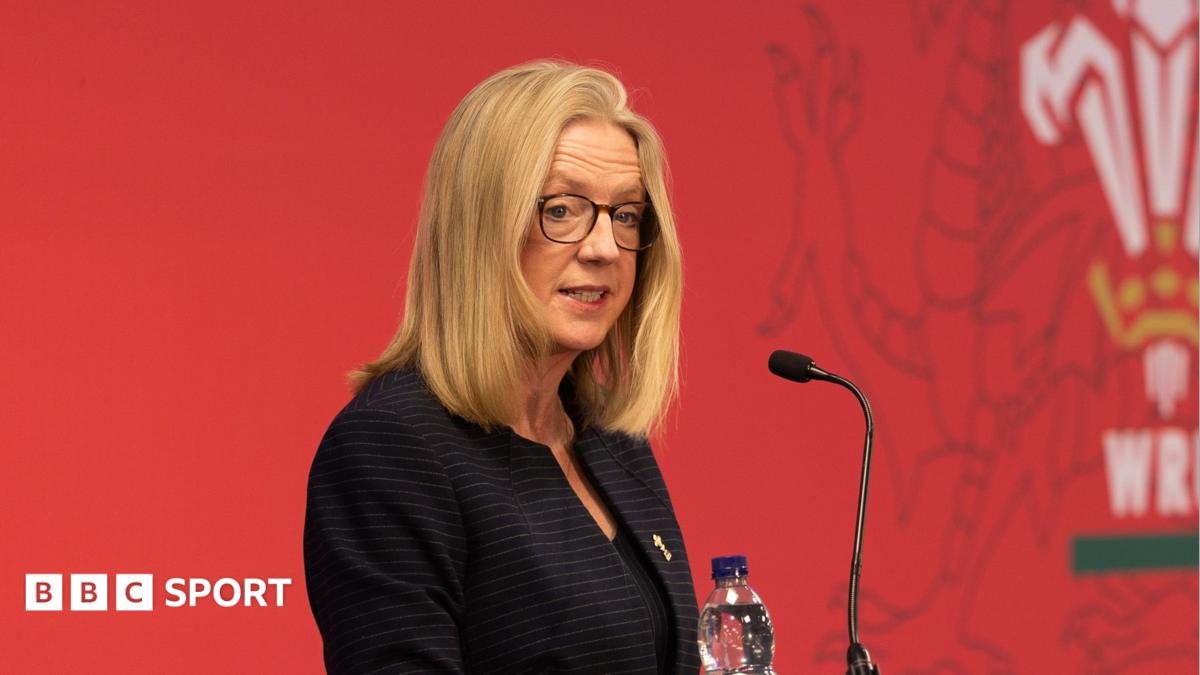
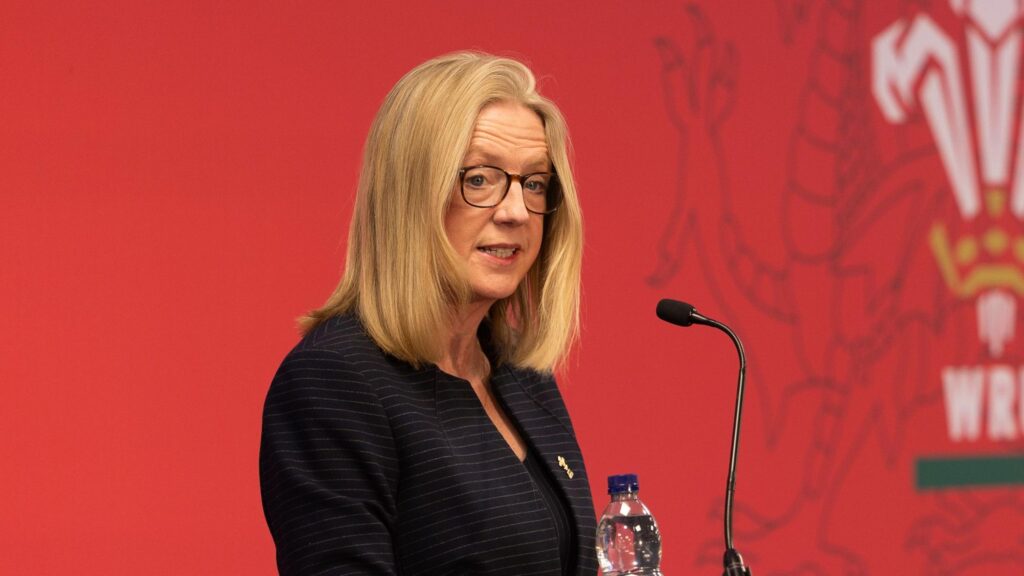
The Welsh Rugby Union is in financial freefall. Officials confirmed this week that the governing body recorded an £18 million loss for its most recent financial year, a figure so alarming that even the organisation’s own chief financial officer, Gavin Marshall, conceded that things simply cannot continue as they are. With a near-identical deficit forecast for the year ahead, the pressure on WRU leadership to step aside has gone from a murmur to a roar.
A Perfect Storm of Rising Costs and Falling Fans
The numbers behind the headline figure tell a familiar but painful story. Soaring operating costs have eaten into revenue gains, while lower ticket sales and reduced spending by supporters on matchdays have compounded the problem. The WRU’s overall turnover did rise during the period, which makes the widening losses even harder to explain away, it suggests a structural problem, not just a one-off blip caused by a bad season or a scheduling quirk.
Principality Stadium, once a fortress packed with passionate Welsh supporters, has reportedly been drawing disappointing crowds. Half-empty stands at the national ground are a visible, embarrassing symbol of a sport that has lost something of its grip on the nation. When fans stop showing up, and when those who do spend less, the financial ripple effect runs deep.
Four Regions Are One Too Many, But Is That Really the Root Cause?
The WRU has pointed to the structure of Welsh professional rugby as a central problem. Running four professional regions, it argues, is financially unsustainable, and so the governing body has outlined plans to reduce that number to three from 2028. On paper, that sounds like a logical response to a budget crisis. In practice, critics say it is a distraction from deeper questions of governance and strategy.
According to BBC Sport’s reporting on the WRU’s financial losses, the organisation has been shifting its plans on what appears to be a quarterly basis, creating an atmosphere of constant uncertainty that has unsettled players, fans, and regional clubs alike. That instability has had real consequences: some of Wales’s most gifted players have crossed the border to join English Premiership clubs, taking their talent, their wages, and their commercial appeal out of the Welsh game entirely.
Calls for Resignations Grow Louder
Former Wales international Alex Cuthbert, who built his career as one of the country’s most electrifying wingers, has been blunt in his assessment. He pointed to a clear failure of leadership at the top of the organisation, a view that carries weight given his direct experience of what the Welsh professional game demands at the highest level.
Rob Stewart, leader of Swansea Council, went further still. Speaking on Radio Wales Breakfast, Stewart called the situation outright mismanagement and named names. He said WRU chief executive Abi Tierney and the board need to go, arguing that they have presided over a period of confusion, poor decision-making, and strategic drift that has left Welsh rugby weaker than it should be. His language was unambiguous: this is not a case of bad luck, it is a case of bad leadership.
What the Players Are Saying
When experienced internationals start speaking publicly about a lack of direction at the top of their national union, that is not a minor grievance, it is a serious warning sign. Professional players understand better than most what a functioning rugby ecosystem looks like. The fact that Welsh talent is moving east to English clubs is not just a financial loss for the WRU; it weakens the national team’s depth, dilutes the appeal of regional rugby, and signals to younger players coming through that Wales may not be the best place to build a career.
The Forecasting Problem
Perhaps the most striking admission came from CFO Gavin Marshall, who acknowledged that the organisation cannot sustain this level of loss going forward. That kind of candour from inside the finance function is rare, and its significance should not be underestimated. When a chief financial officer publicly states that the current trajectory is untenable, investors, stakeholders, and partner organisations take notice. For the WRU, whose revenues depend on broadcaster deals, sponsorships, and ticket income, that kind of statement can become a self-fulfilling prophecy if confidence erodes fast enough.
Forecasting a similar £18 million loss for the coming year without a credible turnaround plan attached is a statement that would be unacceptable in any well-run organisation. For one that stewards a sport so central to Welsh national identity, it carries an additional weight.
What Needs to Happen Next
The calls for resignations may or may not succeed in the short term. Governing bodies have a habit of circling the wagons when pressure mounts from outside, and the WRU board will no doubt argue that continuity is preferable to upheaval during a crisis. But that argument becomes harder to make when the crisis is, by many accounts, a product of the current leadership’s own choices.
What Welsh rugby genuinely needs right now is a credible financial recovery plan that goes beyond reducing the number of professional regions. It needs a coherent strategy for retaining elite talent, a realistic vision for rebuilding stadium attendances, and leadership with the credibility to execute on both. Whether the current WRU board is capable of delivering that is the question that everyone from Cardiff to Swansea is now asking out loud.
Welsh rugby has weathered storms before. The sport is woven into the fabric of the country in a way that transcends league tables and balance sheets. But financial reality has a way of stripping things back to basics, and right now the basics are not being managed well. The supporters who have voted with their feet deserve better, and so do the players who still believe in the Welsh jersey.
So here is the question worth sitting with: if the people in charge of Welsh rugby cannot articulate a convincing path back to financial health, who exactly is waiting in the wings who can?